The popular open-source multimedia framework, FFmpeg, has officially integrated frame interpolation capabilities powered by Nvidia GPUs. This significant update, reported by Phoronix, leverages the Vulkan API to enable Nvidia GeForce RTX GPUs to predict and generate new video frames without relying on traditional graphics rendering pipelines.
Enhancing Video Frame Rates with AI
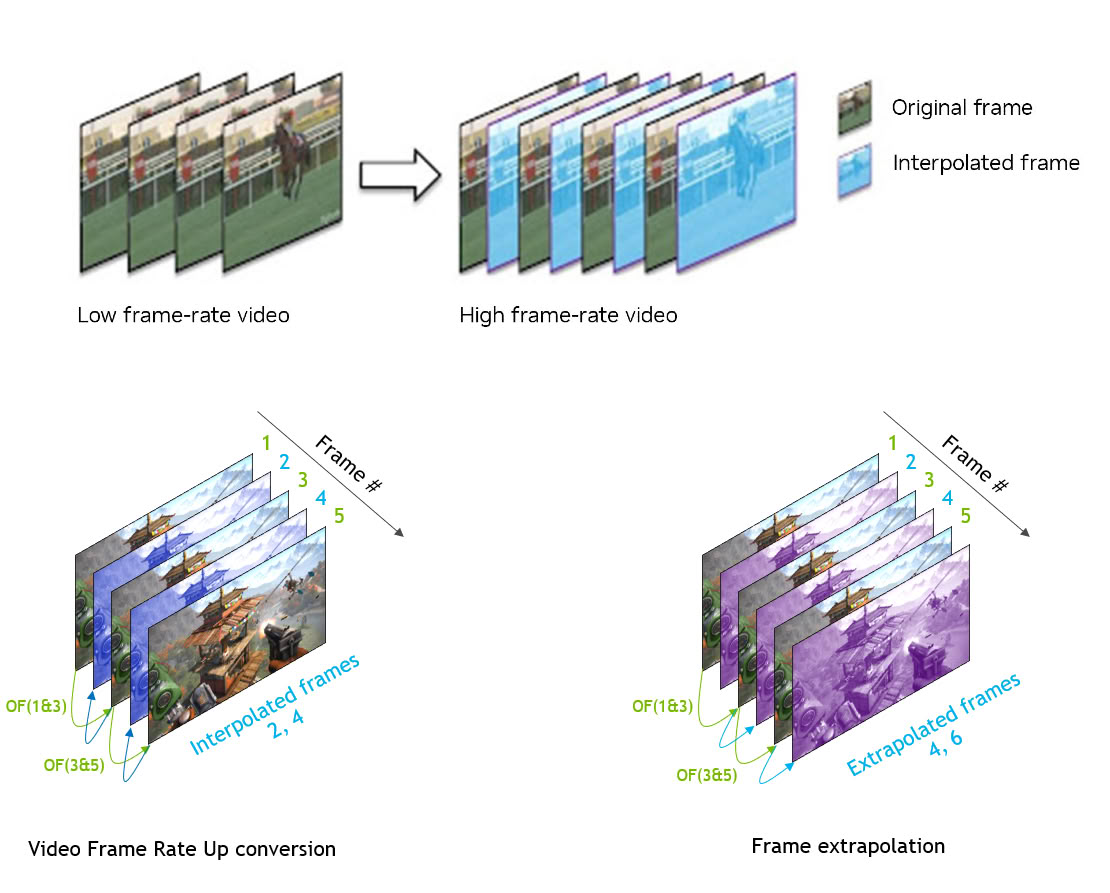
This integration marks a pivotal step in bringing advanced AI-driven video processing to a wider audience. Nvidia is extending its GPU’s powerful predictive capabilities into the video encoding domain, allowing users to boost video frame rates using frame generation technology. At the heart of this feature is Nvidia’s Optical Flow Accelerator, which applies sophisticated optical flow logic, typically used in graphics rendering, to video content. By predicting subsequent frames, the GPU can generate AI-enhanced frames, thereby increasing the video’s overall frame rate. Nvidia officially refers to this process as FRUC (Engine-assisted Frame-rate Up Conversion).
Overcoming Integration Hurdles
A key aspect of this successful integration is the new Vulkan implementation. This allows FFmpeg to directly access Nvidia hardware capabilities, bypassing previous obstacles that were tied to proprietary software dependencies. These earlier proprietary requirements had hindered the merging of similar features into FFmpeg in the past. The ability to utilize the Vulkan API for direct hardware access has resolved these issues, paving the way for the official inclusion of this advanced frame interpolation functionality.
Who Can Benefit?
The newly added functionality is accessible to users equipped with Nvidia RTX 30, 40, and the upcoming 50 series graphics cards. With this upgrade, users can now effortlessly transform videos originally captured at 30 frames per second (FPS) into smoother, higher-fidelity 60 FPS content. This enhancement is particularly beneficial for content creators, video editors, and archivists looking to improve the viewing experience of existing video footage or optimize content for higher refresh rate displays.
The Future of Video Processing
The inclusion of Nvidia’s GPU-accelerated frame interpolation in FFmpeg signifies a growing trend towards leveraging specialized hardware and AI for multimedia processing. As GPUs become increasingly powerful and frameworks like FFmpeg embrace hardware acceleration, we can expect more sophisticated video manipulation and enhancement tools to become accessible to the public. This development not only benefits individual users but also has implications for the broader video production and streaming industries, potentially leading to more efficient workflows and higher quality content delivery.