A recent report suggests a temporary halt on offline communication features for all smartphone brands starting this year. This comes as a surprise to many, given that Huawei had recently been touting its own version of this technology.
Huawei’s Previous Push for Offline Connectivity
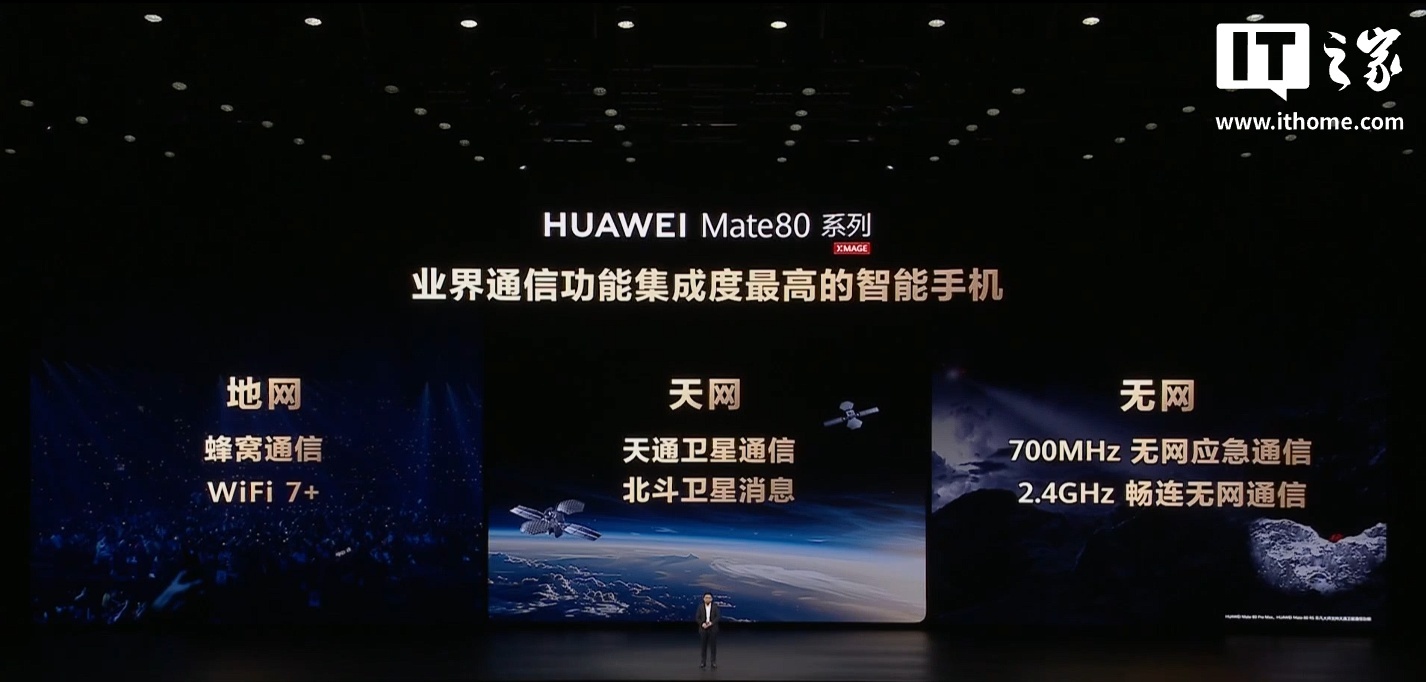
Last November, at the launch event for the Huawei Mate 80 series, Mate X7, and other new products, Richard Yu, Huawei’s Executive Director and Chairman of the Terminal BG, highlighted the 2.4GHz “Harmony Connect” offline communication function. This feature was initially available on select Huawei models, including the Mate 80 series (excluding the Wind Chaser edition), Mate X7 series, nova 15 series, Mate 70 Air, Mate XTs, Pura 80 series, nova 14 Ultra, and nova 14 Pro. Other devices, however, were not supported at the time.
User Inquiries and Industry Rumors
The recent development emerged when a user inquired about the absence of the “Harmony Connect” offline communication feature on the Huawei Pura 90 Pro Max. In response, tech blogger @Adak封狼居胥 shared information indicating that, starting this year, all smartphone brands will temporarily refrain from implementing offline communication functionalities.
Broader Industry Context and Future Plans
This news arrives amidst broader industry discussions and government planning for future communication technologies. Earlier this month, China’s Ministry of Industry and Information Technology (MIIT) released the “15th Five-Year Plan for the Development of the Information and Communication Industry.” This plan outlines a vision for a comprehensive, high-performance new-generation communication network by 2030.
A key aspect of this plan is the promotion of innovative technologies. The document specifically mentions the “orderly advancement of the application and new business filing of new technologies such as embedded SIM cards (eSIM) and offline communication.” This suggests that while offline communication is on the government’s radar for future development, its immediate, widespread rollout across all brands might be on hold.
What Does This Mean for Consumers?
The reported temporary suspension of offline communication features across all brands raises questions about the future of device-to-device communication without traditional cellular or Wi-Fi networks. While Huawei had pioneered a solution, the current pause suggests potential challenges or strategic realignments within the industry. These could range from standardization issues to further technological refinement before a broader release.
Consumers who were anticipating the convenience of direct device communication in areas with no network coverage might need to wait a bit longer. The industry’s current direction, as indicated by the recent reports, points towards a period of consolidation and potentially new developments before such features become a standard offering.
The MIIT’s plan, however, does offer a glimpse into the long-term vision, indicating that technologies like offline communication are considered important for the evolution of the mobile landscape. The focus on eSIM also aligns with the trend towards more integrated and flexible device connectivity.
For now, the emphasis seems to be on building a robust foundational network. The temporary pause on offline communication features for all brands, if confirmed, implies that the industry is prioritizing other aspects of network development or seeking a more unified approach before reintroducing this capability universally.