The National Aeronautics and Space Administration (NASA) is preparing to conduct a series of low-altitude research flights over farmland near Amarillo, Texas. This initiative, known as the FarmFlux mission, aims to measure gaseous and particulate emissions from livestock complexes and fields, components of Earth systems that are significant but remain insufficiently studied.
Research Details and Objectives
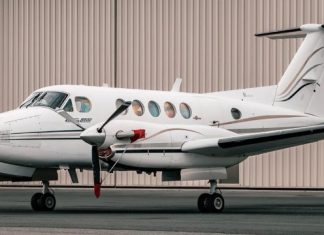
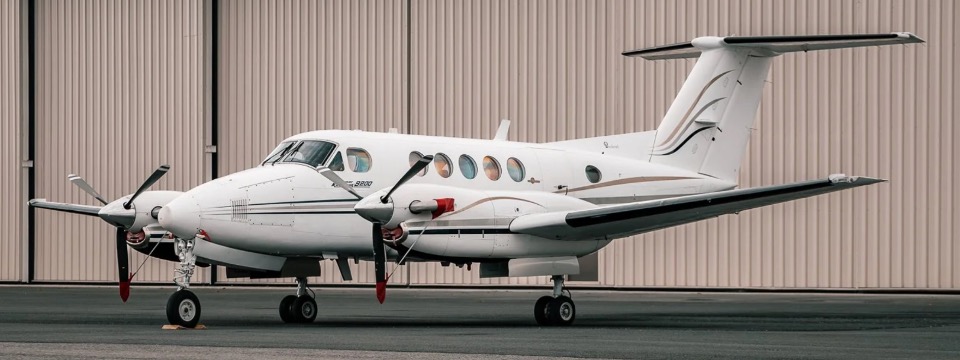
The flights, scheduled from October 22 to November 9, will be carried out using a Dynamic Aviation A200 aircraft. The onboard equipment will include over a dozen sensors designed to monitor levels of ozone, methane, ammonia, particulate matter, and other pollutants released from agricultural lands and farms. The primary goal is to gain a better understanding of their impact on Earth’s atmosphere.
Future Phases and FarmFlux’s Importance
The FarmFlux mission is a collaborative project involving NASA’s Goddard Space Flight Center, Colorado State University, and Boston University. In addition to the Texas phase, further flights are planned using NASA’s P-3 Orion aircraft. These will take place between March and July 2027, focusing on crop emissions over agricultural regions in the Midwest and California’s Central Valley. The findings from these studies are expected to enhance air quality forecasting models and deepen our comprehension of global climate processes.
Source: NASA