Meta is set to bring its AI agent, Muse, to its smart glasses platform, allowing users to perform a variety of tasks hands-free. Announced recently, Muse will enable users to issue voice commands, and the AI will handle tasks in the background without needing to interact with a smartphone.
Powered by Muse Spark AI
Muse operates on the Muse Spark AI model, with its core environment housed in a private, persistent Linux virtual machine in the cloud. This setup includes a dedicated web browser, file system, and terminal that continue to run even when applications are closed. To accomplish user-assigned tasks, Muse can write and execute code, delegate work to multiple sub-agents, and create scheduled tasks. Additionally, it can generate documents, PDFs, websites, and interactive tools like expense trackers and data dashboards.
Consumer-Focused AI Assistant
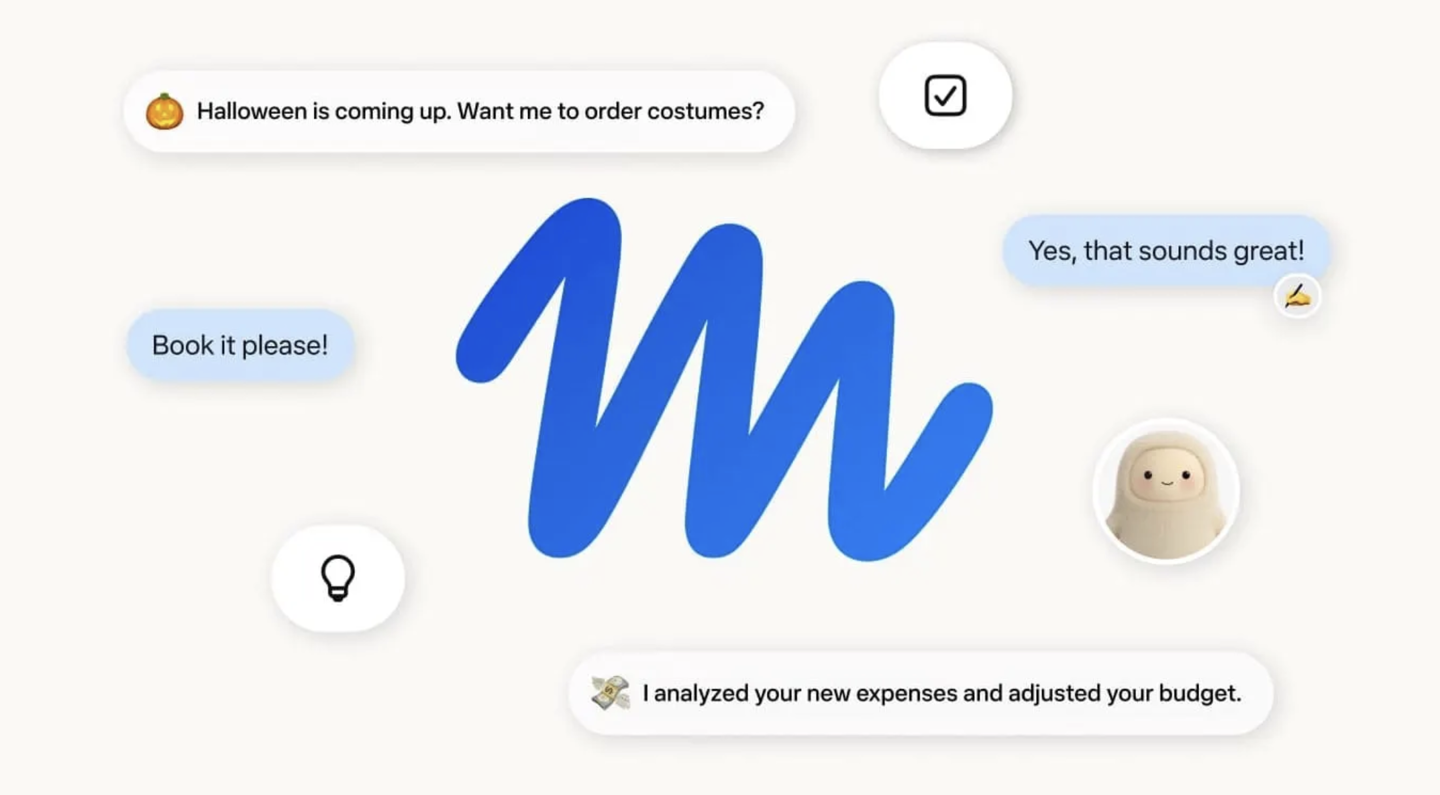
Unlike many other AI agents that target developers and professionals, Muse is designed for everyday consumers. Its interface features a simplified, chat-like design with an anthropomorphic avatar, emphasizing practical applications in daily life. Meta suggests Muse can assist with booking travel, sending emails, filling out forms, and making online purchases. More complex tasks include negotiating bills with service providers, aiding in selling a car, and even making phone calls on behalf of the user.
For payments, Muse integrates with Stripe’s Link service, utilizing one-time virtual payment cards to complete transactions. This ensures that the AI itself does not directly access users’ bank card or credit card information.
Smart Glasses Integration and Use Cases
The integration with smart glasses unlocks a range of new use cases. Meta highlights capabilities such as booking appointments, checking flight prices, finding replacement parts, logging meals, providing fitness guidance, and facilitating the purchase of items the user is looking at. Users can activate Muse by saying “Hey Muse” or a pre-set name, followed by their request. Muse then performs the task in the background and reports back upon completion.
Privacy Considerations
Meta states that Muse data will not be used for advertising purposes. However, unless users opt out, this data may be used to train future AI models. While the cloud-based Linux virtual machine currently used by Muse is isolated from other environments, Meta retains access. To enhance privacy, Meta plans to introduce a Confidential VM option later this year. In this mode, even Meta will be unable to access the running environment, offering a higher degree of privacy for the AI agent.