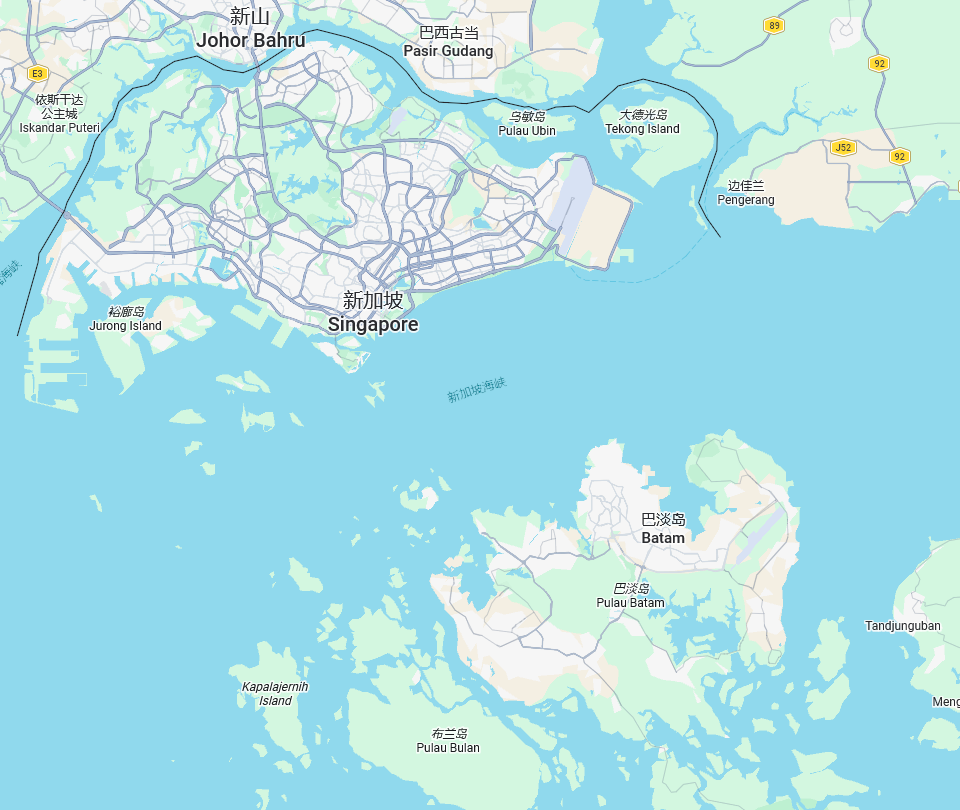
Batam, an Indonesian island city located across the sea from Singapore, is currently grappling with a severe water supply crisis. The situation is a result of a confluence of natural and human-induced factors, significantly impacting the daily lives of residents, from cooking to hygiene.
Drought and El Niño Worsen Water Shortages
The island is enduring a prolonged dry spell, with the intensifying El Niño phenomenon exacerbating the climate impact. This has led to a drastic reduction in the water levels of Batam’s primary reservoirs, further straining available resources.
Data Centers Add to Water Demand
Simultaneously, Batam has emerged as a crucial hub for Southeast Asia’s AI data center infrastructure. Its strategic geographic location and relatively open policies have attracted significant investment in this sector. A key concern is that some of these data centers are equipped with cooling systems that are highly water-intensive, adding substantial demand to the already scarce water supply.
“We can’t cook, we can’t shower, we can’t even wash our clothes,” a resident lamented, highlighting the dire impact on daily routines.
Residents Blame Data Centers, Demand Action
With climate change being an uncontrollable factor, the burgeoning data center industry has become the focal point of public frustration, leading to widespread protests. Residents are directing their anger towards the data centers, demanding accountability for the escalating water crisis.
Solutions and Mitigation Efforts Underway
In response to the crisis and public outcry, local authorities have mandated that data center operators establish their own desalination plants. Some industry players have pledged to adopt closed-loop water-cooling systems to minimize water consumption. Water utility companies are also actively working on facility upgrades to increase reservoir capacity and improve water management.
The dual pressures of natural drought conditions and the increasing water demands of the data center boom have pushed Batam to a critical point. The ongoing efforts to mitigate the crisis involve a combination of technological solutions, regulatory mandates, and infrastructure improvements, aiming to balance the island’s development needs with the fundamental requirement of water security for its population.