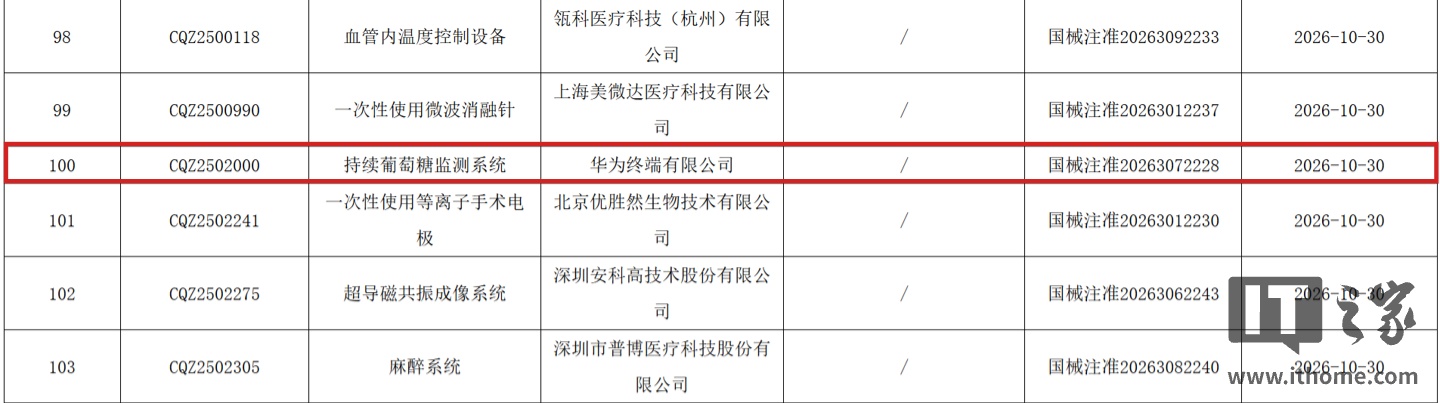
Huawei Terminal has achieved a significant milestone in the medical device sector, receiving approval for its first Class III medical device: a Continuous Glucose Monitoring (CGM) system. This classification places the product at the highest regulatory level in China, on par with devices like cardiac stents and artificial joints.
A New Era for Huawei Health
Previously, Huawei’s health-related devices primarily fell under Class II regulations. These included products such as a wrist-worn dynamic blood pressure monitor, sleep apnea screening software, and atrial fibrillation and premature beat prompting software. The approval of the Class III CGM system marks a crucial step, moving Huawei beyond general health monitoring into the realm of clinical-grade continuous monitoring.
Understanding CGM and Its Importance
Continuous Glucose Monitoring systems offer more than just single blood sugar readings. Their core value lies in tracking the trend of glucose levels in interstitial fluid over time. The accuracy of these devices is typically measured by the MARD (Mean Absolute Relative Difference) value. An industry consensus defines MARD values below 10% as indicative of high precision, suitable for assisting clinical decision-making. The National Medical Products Administration (NMPA) in China requires CGM products to demonstrate consistency with venous blood measurements, with an acceptable error margin of ±15% and consistency exceeding 95%.
From Concept to Clinical Approval
This development is not sudden. As far back as September 2026, He Gang, CEO of Huawei Device BG, confirmed that research and development for a glucose monitoring device had been underway for four years, with the aim of creating a viable and “acceptable, industrializable” solution. Around the same period, Richard Yu also hinted at an independent blood glucose measuring medical device slated for release within the year, though the specific form factor, whether a CGM patch or another type, remained unconfirmed.
Huawei’s previous foray into glucose-related health insights came with the Watch 4 series in 2023. This iteration used pulse wave, vascular elasticity, and sleep data to provide assessments of high blood sugar risk, outputting probability trends rather than specific glucose values. To date, Huawei Terminal has not yet disclosed the official name, pricing, or launch date for its new CGM system. Industry observers and consumers alike will be eagerly awaiting further announcements.
The approval of this Class III medical device signifies Huawei’s commitment to advancing its health technology offerings and potentially competing in a more regulated and clinically significant segment of the health tech market.