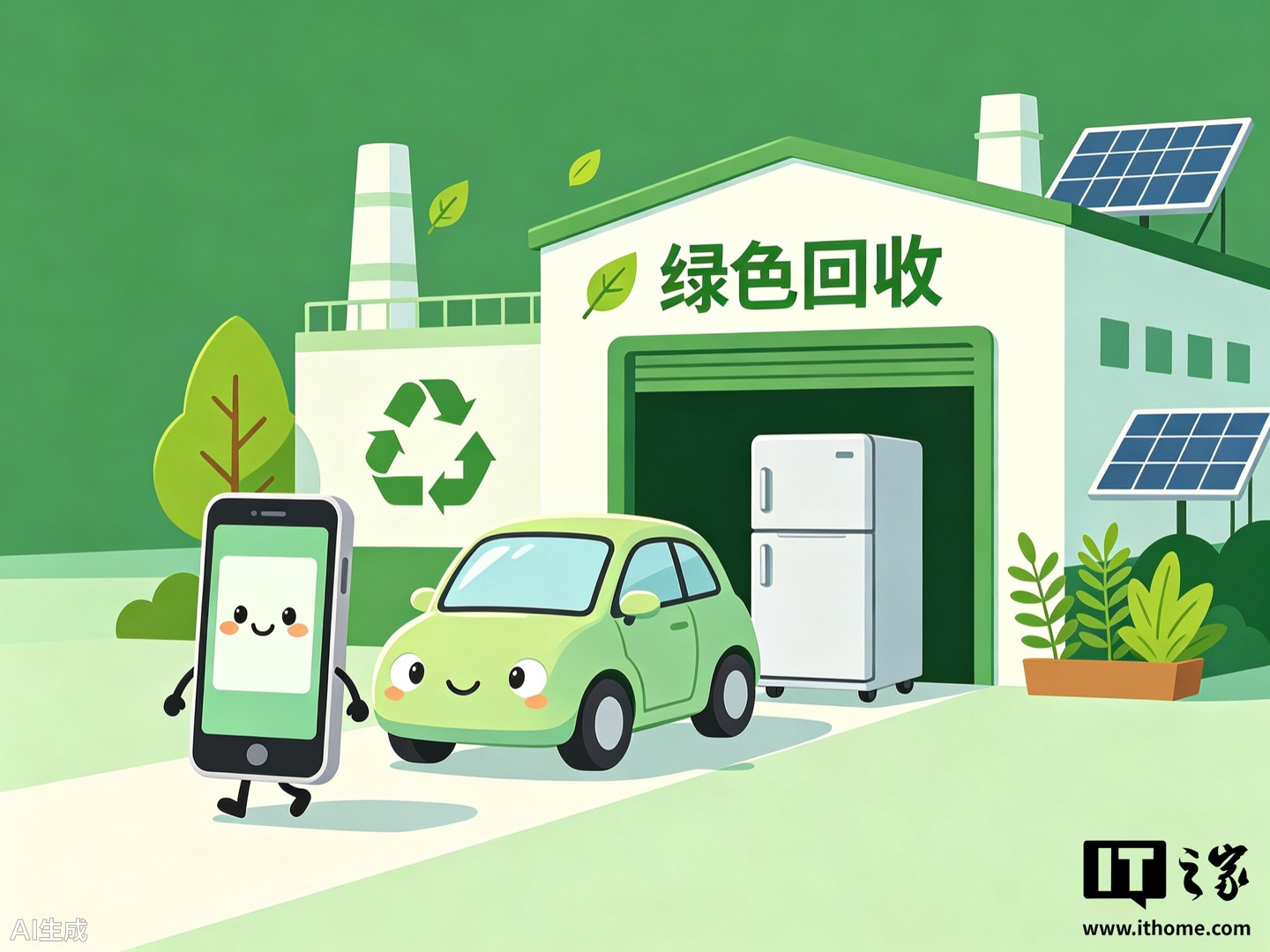
China’s National Development and Reform Commission (NDRC) has announced the full distribution of 250 billion yuan (approximately $34 billion USD) allocated for consumer goods trade-in programs. This marks a significant push to stimulate consumption and upgrade product ownership across the nation.
Full Fund Allocation for Trade-In Initiatives
In a recent announcement, the NDRC, in conjunction with the Ministry of Finance, confirmed the disbursement of the fourth and final batch of funds. This latest release includes 62.5 billion yuan from ultra-long special national bonds, specifically earmarked to support the consumer goods trade-in initiative. With this allocation, the entire 250 billion yuan budget for the year has now been distributed to local authorities.
Impact and Early Successes
The program, aimed at encouraging consumers to trade in older products for newer, more efficient models, has already shown considerable traction. From January to August of this year, sales related to these trade-in activities reached an impressive 1.55 trillion yuan. This initiative has directly benefited approximately 208 million individuals through various subsidies and incentives.
Key sectors experiencing a boost include:
- Automobiles: 5.35 million vehicles were traded in under the program.
- Home Appliances: 91.46 million units of six major home appliance categories saw trade-ins.
- Digital and Smart Products: 108 million new digital and smart devices were purchased through trade-in offers.
The policy’s influence extends to driving sales of communication equipment, high-energy-efficiency home appliances, and wearable smart devices, all of which have recorded high growth rates in retail sales. Furthermore, new energy passenger vehicles have consistently maintained over 60% of the new car retail market share for five consecutive months, underscoring the program’s effectiveness in promoting sustainable consumption.
Looking Ahead: Future Strategy and Oversight
Moving forward, relevant government departments will continue to guide local authorities in optimizing the utilization of these funds. The focus will be on ensuring a rational pace of implementation, streamlining the subsidy review and disbursement process, and maintaining regulatory efficiency. A strong emphasis will be placed on combating fraudulent activities such as subsidy fraud and misuse.
The NDRC highlighted that these measures are crucial for maximizing the policy’s effectiveness and ensuring that the benefits reach the intended consumers and stimulate genuine economic activity.
Contextual Performance Data
For comparative context, in the first half of 2026, similar consumer trade-in initiatives reportedly drove related sales totaling 1.1 trillion yuan and benefited 150 million people. During that period, 3.71 million vehicles, 63.27 million home appliances, and 79.1 million digital and smart products were traded in. Additionally, 19 regions implemented their own localized trade-in policies, leading to the sale of 992,000 items in specific categories.