Sixty-five years ago, a bold vision to conquer space was cemented in Houston, Texas, with the establishment of NASA’s Johnson Space Center. From its inception as the Manned Spacecraft Center, this pivotal facility has been the nerve center for America’s human spaceflight endeavors, guiding everything from the foundational Project Mercury to the ambitious Artemis missions aiming for the Moon and beyond. Today, Johnson Space Center stands as NASA’s Center of Excellence for Human Spaceflight, a hub of innovation where astronauts are trained, missions are controlled, and the future of humanity’s journey into the cosmos is being shaped.
From Moonshot Ambitions to Global Leadership
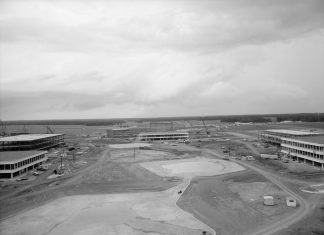
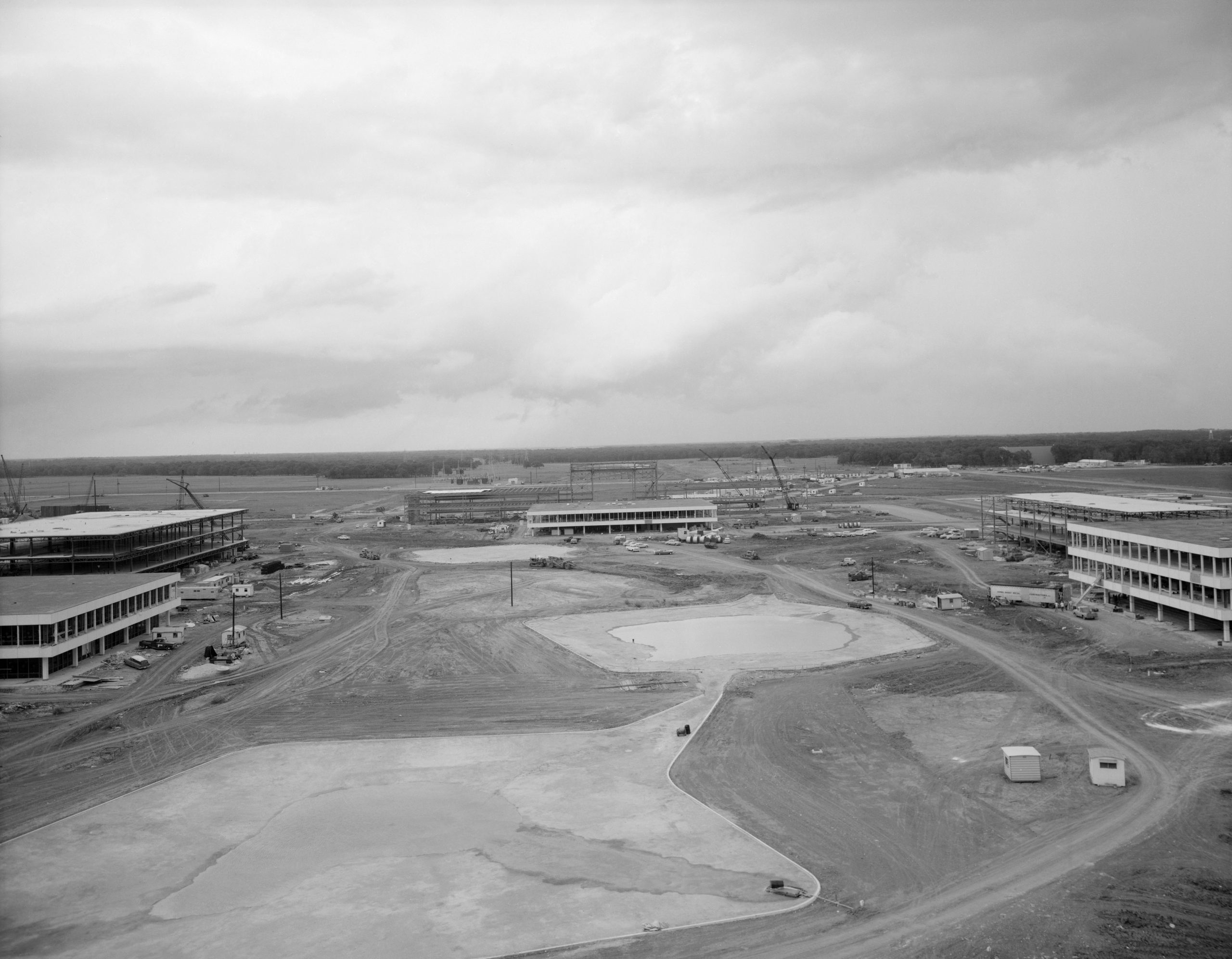
The genesis of Johnson Space Center can be traced back to President John F. Kennedy’s historic 1961 declaration to land a man on the Moon. This monumental goal necessitated a dedicated facility, leading NASA to select the Clear Lake area near Houston. Officially established on November 1, 1961, and later renamed in honor of President Lyndon B. Johnson for his steadfast support, the center’s growth mirrors the progression of space exploration. What began as a construction site with employees working in leased buildings has evolved into a sprawling campus housing critical infrastructure and a dedicated workforce. The center’s iconic Project Management Building, the site of early planning and leadership, was one of the first structures, with its first director, Robert Gilruth, occupying his office in 1964. Today, Johnson is instrumental in managing NASA’s Low Earth Orbit Program, including the International Space Station and burgeoning commercial space ventures. It also spearheads deep space exploration, hosting the Moon Base Program and the Orion Program, while its Human Health and Performance Directorate tirelessly works to ensure astronaut well-being on increasingly extended missions.
Training for the Extreme: Then and Now
Mastering the art of spacewalks and operating in alien environments has always been a cornerstone of human spaceflight training at Johnson. The center pioneered the use of neutral buoyancy for spacewalk simulations, starting with the Gemini XII mission. The early Water Immersion Facility, built in 1967, served Apollo and pre-Shuttle astronauts. As spacecraft evolved, so did the training facilities. The Weightless Environment Training Facility was developed to accommodate the larger space shuttle payload bay. In 1997, the state-of-the-art Neutral Buoyancy Laboratory (NBL) in the Sonny Carter Training Center became the hub for both Shuttle and International Space Station spacewalk training, and continues to be crucial for testing new spacesuits and preparing for lunar surface activities. This commitment to rigorous training extends to the Artemis program, where geologists and science officers now undergo specialized lunar geology training in the NBL, a testament to the enduring legacy of hands-on preparation that defines Johnson Space Center.
Source: NASA