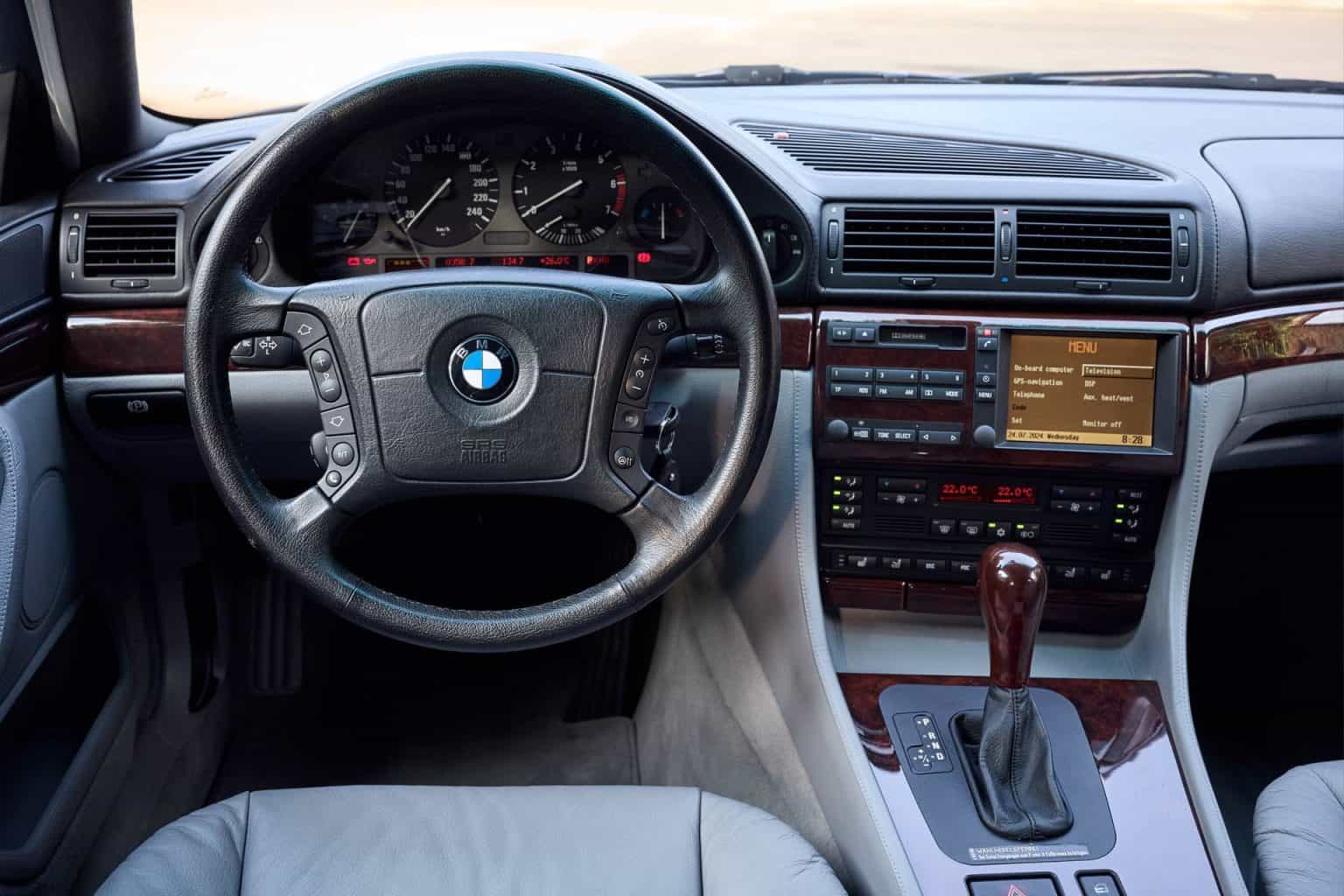
BMW, a brand known for its driving dynamics and luxury, is signaling a potential shift in its interior design philosophy for its upcoming ‘Neue Klasse’ (New Class) models. While the company has been moving towards a minimalist cabin with extensive use of touchscreens and touch panels, replacing traditional physical buttons, it’s now indicating a willingness to reintroduce more physical controls if customer demand warrants it.
A Shift Towards Minimalism
In recent years, BMW has significantly redesigned its vehicle interiors, particularly evident in models like the i3, iX3, iX4, X5/iX5, and the 7 Series/i7. The traditional instrument cluster has been replaced by a projected display area that spans the lower part of the windshield, offering customizable content. Complementing this is a large 17.9-inch central touchscreen that handles most infotainment and vehicle functions, resulting in a considerable reduction in physical buttons compared to previous generations. Some high-end models even feature a separate touchscreen for the front passenger.
BMW has publicly stated its belief that the future of automotive interiors lies in a combination of screens, touch controls, and voice commands. However, Claudia Maier, Head of Digital Technology for BMW’s Neue Klasse models, acknowledged in a recent interview that customer feedback could influence design decisions.
“We have a philosophy of ‘delivering the right information, at the right time, in the right way,’ and we are very confident about that. But of course, I think you always have to take customer feedback seriously. If there is a strong demand from customers for certain functions, we will definitely take that on board.”
Potential Return of Physical Controls
While specific details are yet to be confirmed, Maier hinted at the possible reintroduction of physical buttons for climate control functions and more tactile steering wheel controls. This news could be well-received by drivers who prefer direct, physical feedback for frequently used functions, rather than navigating through complex touchscreen menus.
It’s important to note that Neue Klasse models will not be entirely devoid of traditional controls. Elements like turn signal stalks, wiper stalks, a physical volume control, and dedicated buttons for quick defogging are expected to remain. However, the overall number of physical buttons has been significantly reduced.
BMW currently has no concrete plans to reintroduce specific controls like independent climate buttons or a traditional steering wheel button layout. The company remains confident that owners will adapt to the new iDrive operating system, even without the classic rotary controller, which is unlikely to make a comeback.
The Advantage of Tactile Feedback
While adapting to new interfaces is possible, it doesn’t necessarily equate to preference. Physical buttons offer a crucial advantage: clear tactile feedback. This allows drivers to adjust vehicle functions without diverting their attention from the road, a benefit that even the most advanced touchscreens struggle to fully replicate.
BMW has met the latest requirements from Euro NCAP (European New Car Assessment Programme) for physical controls of critical functions, with the second-generation iX3 achieving a perfect score in this regard. This means BMW’s minimalist interior design does not currently face regulatory hurdles. However, evolving consumer preferences could still steer the company’s future design direction.
Stance on Apple CarPlay Ultra
While open to reconsidering physical buttons, BMW has taken a firm stance against integrating Apple CarPlay Ultra into its future models. Maier explained that this decision stems primarily from data privacy concerns and a desire to keep vehicle information within BMW’s own ecosystem.
“It’s part of our overall philosophy. We want to keep the data within our own sphere because we want to ensure data security.”
Despite this, BMW is not abandoning smartphone integration entirely. Standard versions of Apple CarPlay and Android Auto will still be available via wireless connection through the central display. Maier also clarified that there are no current plans to remove standard CarPlay from future models, emphasizing that consumers should not be forced to exclusively use BMW’s proprietary software systems.