South Korea’s export performance in September reached an all-time high, driven overwhelmingly by the surging global demand for semiconductors fueled by artificial intelligence (AI). This robust performance strengthens the outlook for the trade-reliant economy, suggesting its resilience even amidst rising interest rates.
Record-Breaking Export Figures
Official data released by South Korea’s customs agency revealed that in September, exports saw a remarkable year-on-year increase of 104.9%, excluding variations in business days. The total export value soared to USD 120.9 billion, a new historical record. This surge follows a trend already established in the first 20 days of September, which had also set a new record for that period.
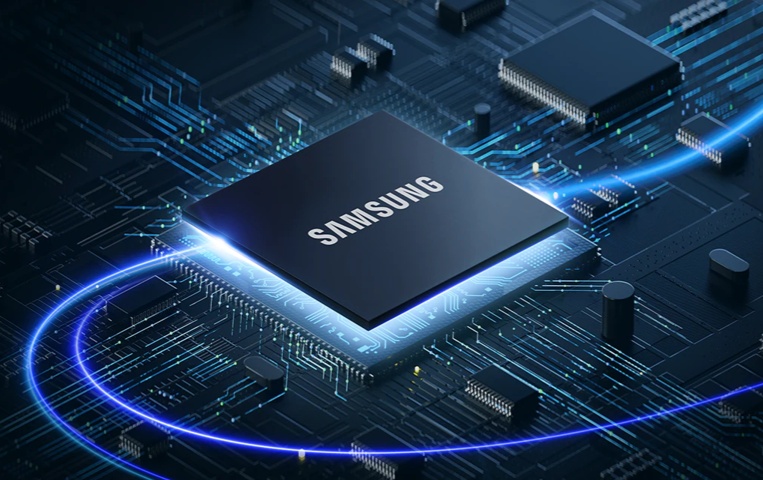
Breaking down the performance, semiconductors emerged as the primary engine of this export boom, with chip exports skyrocketing by 263% to reach USD 60.3 billion. Computer products followed suit with an impressive 435% surge, while petroleum products saw a 72% increase. However, automotive exports experienced a slight decline of 5%.
Even accounting for calendar effects, such as the Chuseok holiday falling in September this year (compared to October last year), which reduced the number of actual working days, the export growth remained substantial. This indicates a strong underlying momentum in trade.
Economic Implications and Central Bank Outlook
The stellar export figures suggest that South Korea’s economy maintained strong trade momentum through the end of the third quarter. This performance supports the South Korean central bank’s assessment that the economy can withstand higher borrowing costs, potentially providing grounds for further monetary policy tightening.
Earlier in August, the Bank of Korea had already raised its benchmark interest rate by 25 basis points to 3%, marking its second consecutive hike. This move was prompted by stronger-than-expected economic growth and persistent core inflation.
The AI boom has not only boosted exports and investment but has also led the Bank of Korea to revise its economic growth forecast for the year upwards from 2.6% to 3.3%. While the median forecast for interest rates suggests one more 25-basis-point hike, the central bank governor indicated that the pace of tightening might slow after the initial aggressive moves.
Analysts like Jiuk Choi, an Asia-Pacific macro strategist at State Street Bank, noted that the September export and trade balance figures far exceeded market expectations. While acknowledging a potential slowdown in export growth in the fourth quarter due to base effects, Choi remains optimistic, citing continued global AI investments and rising high-bandwidth memory (HBM) chip prices as ongoing support for exports.
Inflation and Fiscal Considerations
Inflation remains a key concern for the Bank of Korea. In August, the overall consumer price index rose by 3.1% year-on-year, with core inflation (excluding volatile food and energy prices) climbing to 3.4%, indicating persistent underlying price pressures.
The improved export performance is also positively impacting South Korea’s balance of payments, potentially leading to a stronger won. A stronger currency can help curb imported inflation and provide the central bank with more flexibility in its monetary policy decisions.
The government’s fiscal health is also seeing a boost from the chip industry’s upswing. Driven by strong corporate earnings, special dividends from chip manufacturers, a recovering stock market, and consumer spending, South Korea anticipates a record national tax revenue of 478.6 trillion won for the current year, a 28% increase from 2025.
Global Trade Partners
Looking at export destinations, South Korea saw significant growth in its trade relationships. Exports to China surged by 123% year-on-year, while exports to the United States experienced a substantial leap of 137%. Additionally, exports to India increased by 50%, and to the European Union by 21%.
While the chip industry’s success is a significant driver, the South Korean central bank and policymakers will continue to monitor inflation and global economic conditions closely. The interplay between export strength, AI-driven demand, and inflation management will be crucial for navigating the economic landscape in the coming months.