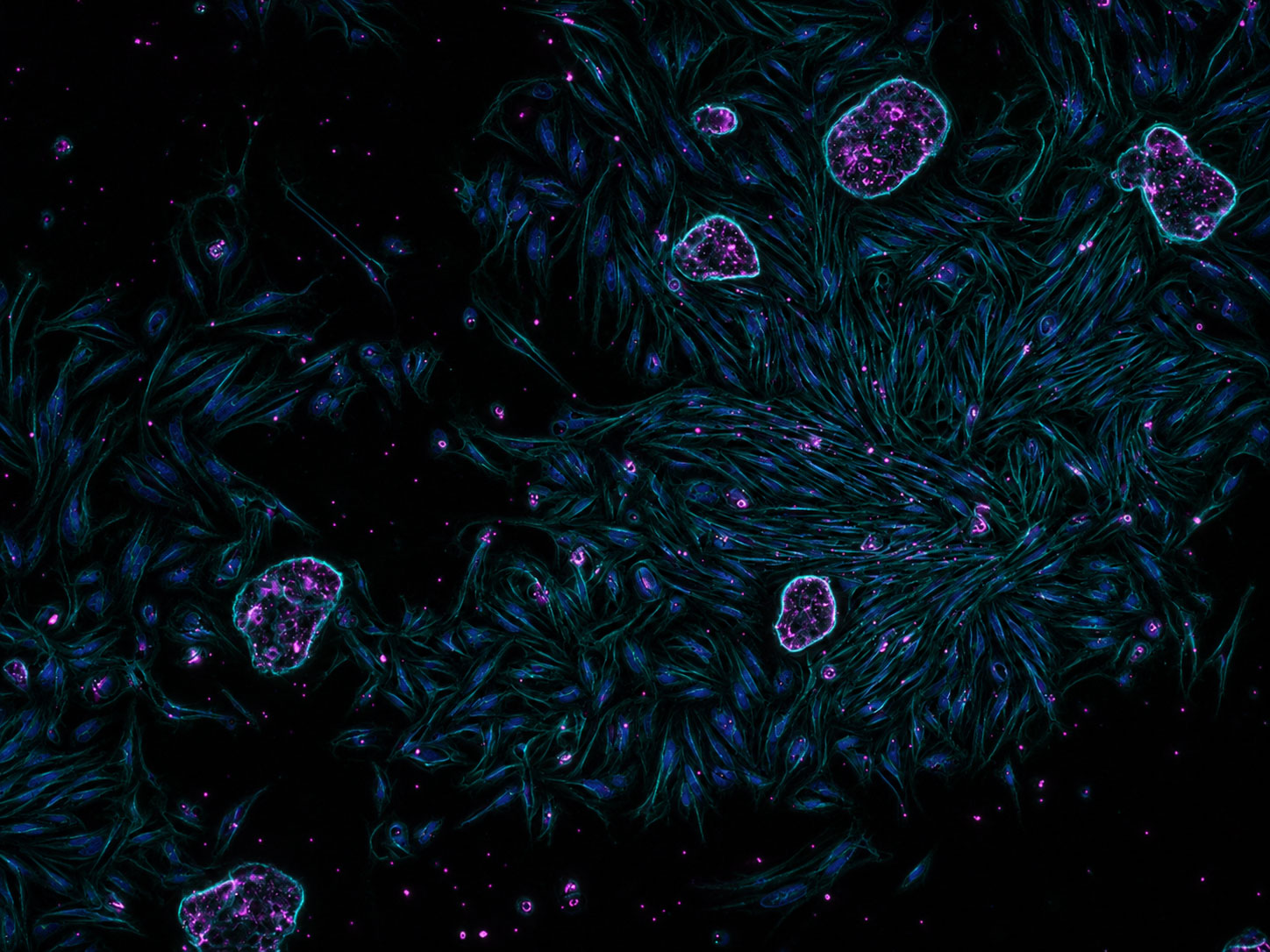
Scientists are leveraging the unique environment of the International Space Station (ISS) to study cancer cells, hoping to unlock new strategies for diagnosis and treatment. By observing how cancerous tumors behave in microgravity, researchers are gaining unprecedented insights into metastasis – the process by which cancer spreads throughout the body. This cutting-edge research could pave the way for more personalized and effective cancer therapies.
Unlocking Cancer’s Secrets in Orbit
The International Space Station, orbiting hundreds of miles above Earth, provides a unique laboratory for biological research. One particular investigation, called Encapsulate-1, involves growing patient-derived gastric tumor samples within specialized biochips. In the absence of Earth’s gravity, these microtumors exhibit behaviors that are difficult to replicate on the ground. This allows scientists to meticulously observe how cancer cells move, interact with their environment, and potentially spread, offering a novel perspective on the disease’s progression.
From Space to the Clinic: Future Applications
The data collected from these orbital experiments holds significant promise for improving cancer care. By understanding the fundamental mechanisms of metastasis in microgravity, researchers aim to develop better predictive tools for a patient’s risk of cancer spreading. This could lead to earlier interventions and more tailored treatment plans, ultimately enhancing patient outcomes. The ultimate goal is to translate these space-based discoveries into tangible benefits for cancer patients here on Earth.
Source: NASA