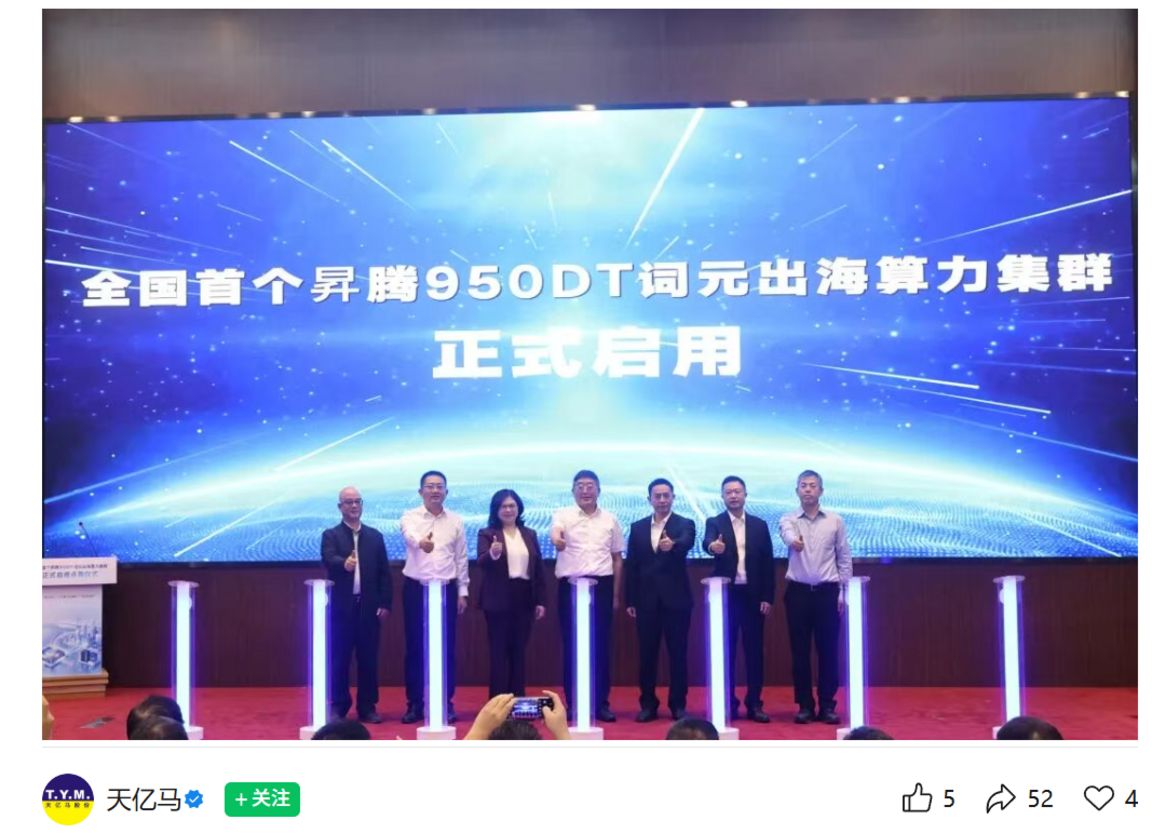
Shantou, China – The city of Shantou in Guangdong province has officially launched China’s first computing power cluster designed for exporting intelligent services measured in tokens. This significant initiative, a collaboration between China Telecom, Guangdong Tianyima Information Industry Co., Ltd., and Huawei, establishes a complete ecosystem from domestic computing power deployment to the provision of international AI-driven services, positioning Shantou as a key hub for computational resource exports.
A Tripartite Alliance for Global AI Services
The project leverages the combined strengths of three major entities:
- China Telecom (Shantou Branch): Contributes essential network communication resources and data center infrastructure, including access to its international cable landing point for seamless cross-border connectivity.
- Huawei Technologies Co., Ltd.: Supplies the foundational high-performance computing hardware powered by its proprietary Ascend chips.
- Guangdong Tianyima Information Industry Co., Ltd.: Oversees the investment, construction, and market operations of the entire cluster.
According to Wang Dingxuan, Huawei’s intelligent computing project manager, this cluster represents a crucial step in bringing domestic computing capabilities to the global market, offering commercial computing services to clients worldwide.
Under the Hood: The Huawei Ascend 950DT
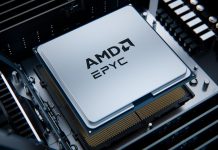
At the core of this advanced cluster is Huawei’s Ascend 950DT chip, built upon the third generation of the company’s in-house DaVinci architecture. Key specifications highlight its formidable capabilities:
- Memory: Features 144 GB of high-speed on-chip memory with a bandwidth of 4 TB/s.
- Compute Power: Delivers 1 PFLOPS for FP8 operations and 2 PFLOPS for FP4 per card.
- Scalability: Supports massive expansion to over 128,000 cards, facilitated by the innovative Lingqu interconnect bus and flexible network configuration technologies.
These specifications equip the cluster to handle demanding AI tasks, particularly in the generation of complex language units, often referred to as “words-units” or tokens.
Strategic Location and Novel Business Model
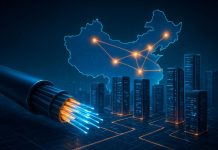
Shantou’s selection as the cluster’s base is strategic, capitalizing on its existing international communication infrastructure, notably China Telecom’s international cable landing point. The cluster, comprising one intelligent computing center at this international gateway and four regional centers, is designed to perform AI model inference and token generation locally. The generated intelligent services are then efficiently exported to markets like Southeast Asia via international subsea cables.
The core business model redefines computational power as measurable, manageable, and tradable commercial services, using tokens as the fundamental unit of exchange. A guiding principle of this operation is “exporting computation, not data,” ensuring all processing occurs within China while only the resultant tokens are delivered to international users.
The Huacqiao Economic Cooperation Zone in Shantou plays a vital role, offering support for cross-border data compliance and regulatory innovation. Previous initiatives in this zone include a “processed imported data” pilot program and policies supporting token exports, alongside subsidies in the form of “computing and token vouchers” to foster the growth of cross-border digital service trade.
Impressive Growth Metrics
Data released by local authorities underscores the project’s rapid development. A full commercial export cycle for city-level tokens was successfully tested in April, achieving an average daily call volume of approximately 100 million. Within six months, this figure surged to 100 billion calls per day.
The registered demand for foreign AI content within the region exceeds 3 trillion tokens daily, though it’s important to note that registered demand does not equate to actual usage volume.
The launch of this cluster marks a significant advancement for China in developing indigenous high-tech chip capabilities and establishing a competitive presence in the global market for computing services, especially amidst escalating worldwide demand for AI technologies.