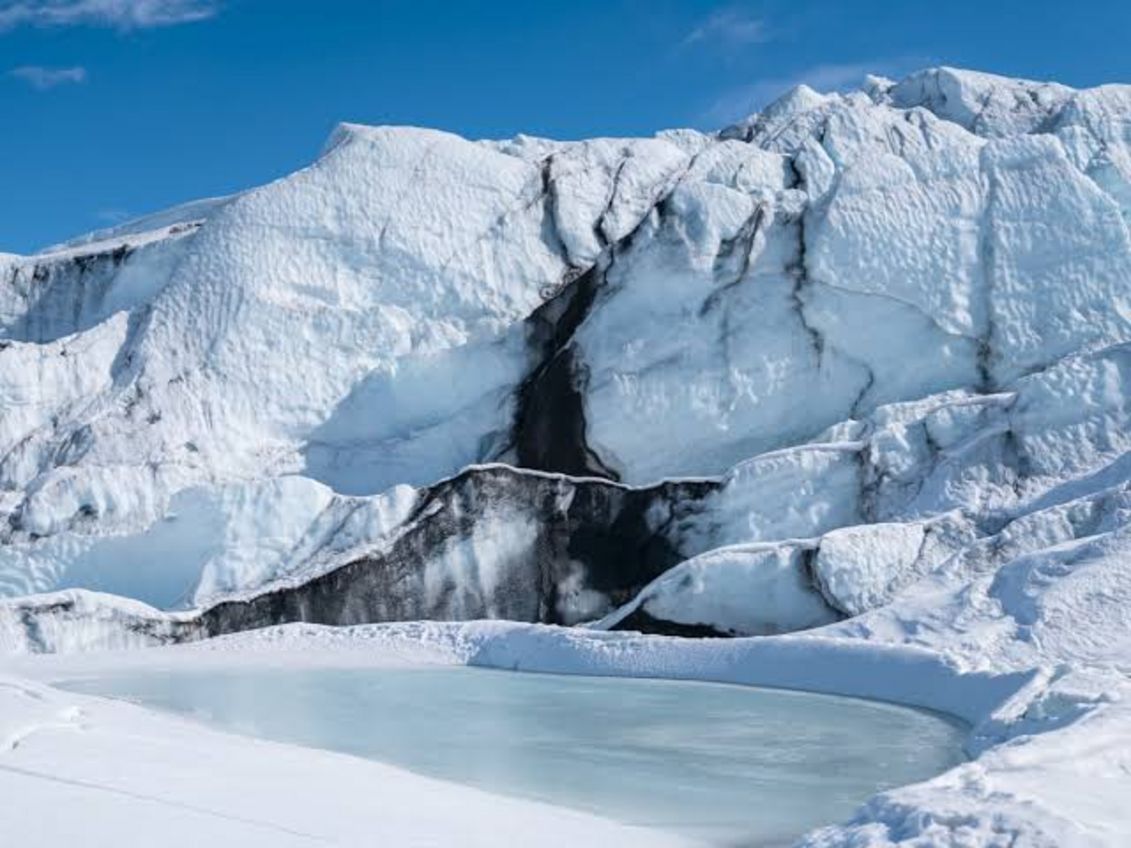
A groundbreaking study is sounding the alarm about the rapid degradation of Earth’s cryosphere, warning that these vital frozen regions are exceeding critical safety limits. The research, led by scientists at Stockholm University’s Resilience Centre, highlights that key components like ice sheets, glaciers, sea ice, snow cover, and permafrost are facing unprecedented environmental risks.
Cryosphere’s Critical Role and Escalating Threats
The cryosphere, encompassing all frozen landscapes on our planet, plays an indispensable role in regulating Earth’s energy balance, water cycles, and carbon and methane cycles. It also acts as a massive carbon sink. However, the ongoing decline of these frozen areas is exacerbating global warming, leading to rising sea levels, and accelerating ecosystem destruction. This degradation also significantly increases the likelihood of catastrophic floods and droughts, with polar regions, coastal areas, and low-lying zones being particularly vulnerable.
While human-induced climate change is identified as the primary driver of this cryosphere degradation, the expansion of industrial activities and infrastructure development are further intensifying the problem. The study’s authors are urging policymakers to implement proactive measures, including setting preventative targets and developing robust response strategies. These strategies should focus on limiting greenhouse gas and black carbon emissions, while also minimizing local human interference in cryospheric regions.
Key Components Crossing Safety Thresholds
Dr. Albert Norström, a co-author from the Stockholm Resilience Centre, pointed out that both sea ice and snow cover areas have already fallen below the safety thresholds established during the Holocene epoch – a period of relative climate stability over the past approximately 11,700 years. Furthermore, permafrost temperatures have risen beyond safe operating levels.
While land ice has not yet crossed the same critical thresholds, the current warming trends indicate that significant further ice loss is inevitable in the future. “These four components have already deviated from their Holocene environmental conditions and are outside their safe operating space,” Dr. Norström stated.
He clarified that the research is not focused on pinpointing a sudden collapse point for the cryosphere. Instead, it aims to assess the extent to which different cryospheric components are deviating from the environmental conditions that previously supported their functions and helped maintain Earth’s stability and resilience.
Drivers of Degradation and Amplified Effects
The primary factors driving this cryosphere degradation are increasing atmospheric and ocean temperatures, coupled with black carbon emissions. Black carbon, deposited on snow and ice, reduces their reflectivity, causing them to absorb more solar energy and accelerating melt. Dr. Bo Su, the study’s lead author and a researcher at both the Stockholm Resilience Centre and Beijing Normal University, explained in an email that the reduction in land ice, sea ice, and snow cover amplifies global warming effects. This also contributes to sea-level rise and alters ocean circulation patterns.
The thawing of permafrost releases carbon dioxide and methane, further intensifying global warming. It also leads to ground instability, posing risks to infrastructure built in these regions. The ecological balance is also disrupted, particularly in polar and alpine areas, affecting habitat stability, biodiversity, and interspecies ecological relationships.
Intergenerational Equity and Far-Reaching Consequences
Dr. Su warned that humanity could experience severe impacts even before planetary-scale environmental boundaries are officially breached. Communities in mountainous and polar regions are already witnessing the consequences of cryospheric changes. These risks are long-term, with some impacts potentially irreversible, creating a burden for future generations.
Dr. Su described this as a “debt passed on to the next generation, regardless of today’s choices,” raising critical questions about intergenerational and intragenerational equity. The degradation also impacts species reliant on sea ice, such as algae growing at the base of sea ice, which form the foundation of polar marine food webs. “In short, sea-level rise and changes in the marine environment are two of the most far-reaching consequences of cryosphere decline,” he noted.
Melting ice and snow inject large amounts of freshwater into the oceans, altering circulation patterns, salinity, and nutrient mixing. These changes trigger cascading effects throughout the food web, impacting marine ecosystems and the fisheries that depend on them.
Reconsidering the Cryosphere in Climate Discourse
Dr. Norström believes that the importance of the cryosphere has been somewhat overlooked in past discussions on climate stability. “We hope this research can provide a framework for the cryosphere to occupy a more central position in climate negotiations and discussions.”
Dr. Zoë Thomas from the University of Southampton highlighted the growing role of the Antarctic and Greenland ice sheets as major drivers of global sea-level change. She also emphasized the significance of mid-latitude glaciers in regions like the European Alps, Himalayas, and the American Rockies. These glaciers respond rapidly to climate change, serving as vital “sentinels” of its effects.
“The cryosphere is a particularly important area when studying climate change,” Dr. Thomas concluded, stressing that the most effective way to protect these regions remains a drastic reduction in carbon emissions. While other measures may offer some relief, the ultimate future of the cryosphere hinges on limiting the extent of global temperature rise.