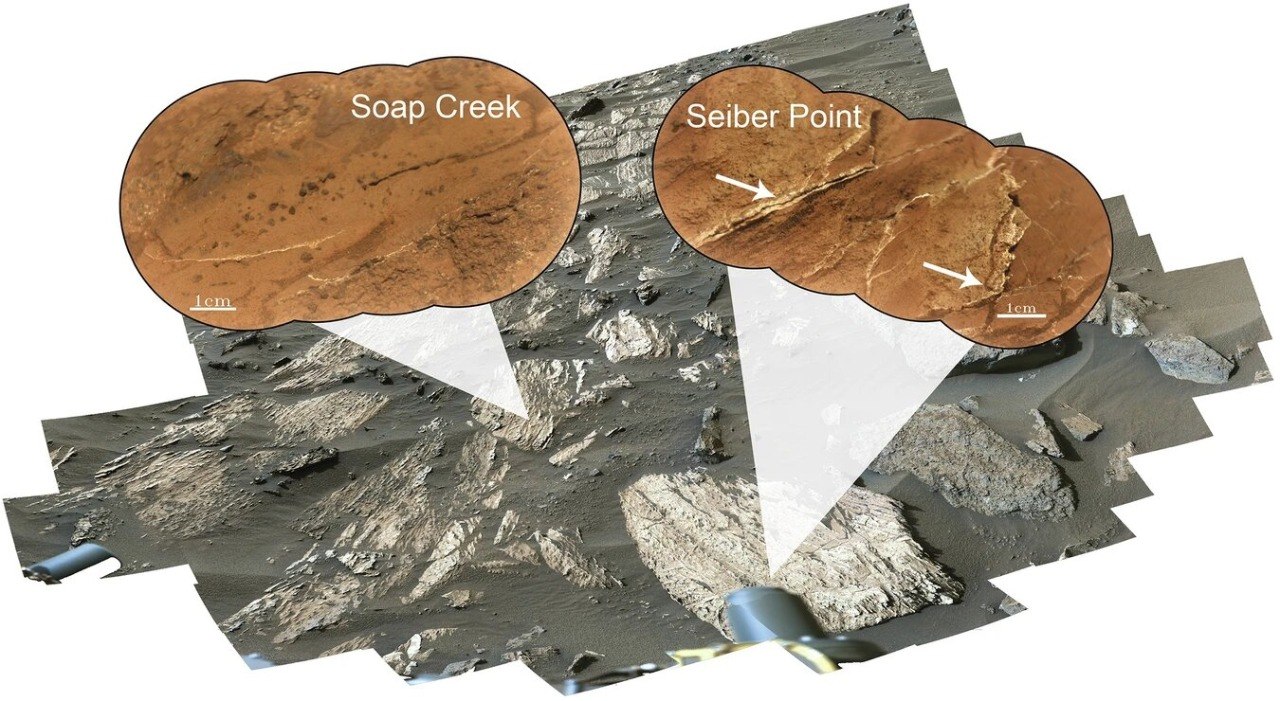
NASA is injecting new momentum into its ambitious Mars Sample Return (MSR) program, which has been grappling with significant challenges. A newly unveiled initiative, dubbed the Perseverance Sample Retrieval Architecture (PSRA), aims to forge a fresh strategy for collecting and returning the Martian rock and soil samples gathered by the Perseverance rover back to Earth.
What is PSRA and Why is it Needed?
The PSRA initiative was introduced on November 9th by Tiffany Morgan, Director of NASA’s Mars Exploration Program (MEP), during a virtual meeting of the Mars Program Analysis Group (MEPAG). The core objectives of PSRA include:
- Developing unbiased recommendations for the retrieval of samples collected by the Perseverance rover on Mars and their delivery to Earth.
- Evaluating proposed mission requirements.
- Analyzing past experiences and lessons learned.
- Assessing current capabilities and procurement options.
According to Morgan, the PSRA strategy development team is scheduled to commence its work in January 2027, with a final report anticipated for the winter of 2027-2028. This effort unfolds as the Perseverance rover actively collects samples on the Red Planet, a mission that began in February 2021. These samples hold the potential to reveal traces of ancient life. For years, NASA and the European Space Agency (ESA) have been meticulously planning missions to bring these invaluable materials back to Earth for in-depth scientific study.
Financial Hurdles and Scientific Imperative
The Mars Sample Return (MSR) program has encountered a series of substantial financial obstacles. Independent assessment groups have reported extraordinarily high cost projections. The most recent estimate reached approximately $11 billion, with sample return only projected for 2040. NASA has acknowledged this figure as excessive and unrealistic. Another assessment suggested a possibility of returning samples by 2035 with a more manageable cost of around $8 billion. It remains unclear how PSRA will specifically address the cost issues and other challenges associated with MSR.
This brings to light a pertinent question: why not entrust the sample return to a human expedition? Bruce Jakosky from the Laboratory for Atmospheric and Space Physics at the University of Colorado Boulder explains that returning samples via robotic means is crucial for the safety of future astronauts. Analysis of Martian regolith could uncover hazardous compounds like perchlorates and chloromethanes, as well as fine dust, which could pose significant health risks to humans and impact equipment functionality. Therefore, preemptive investigation of these aspects is paramount before human missions to Mars can be safely undertaken.