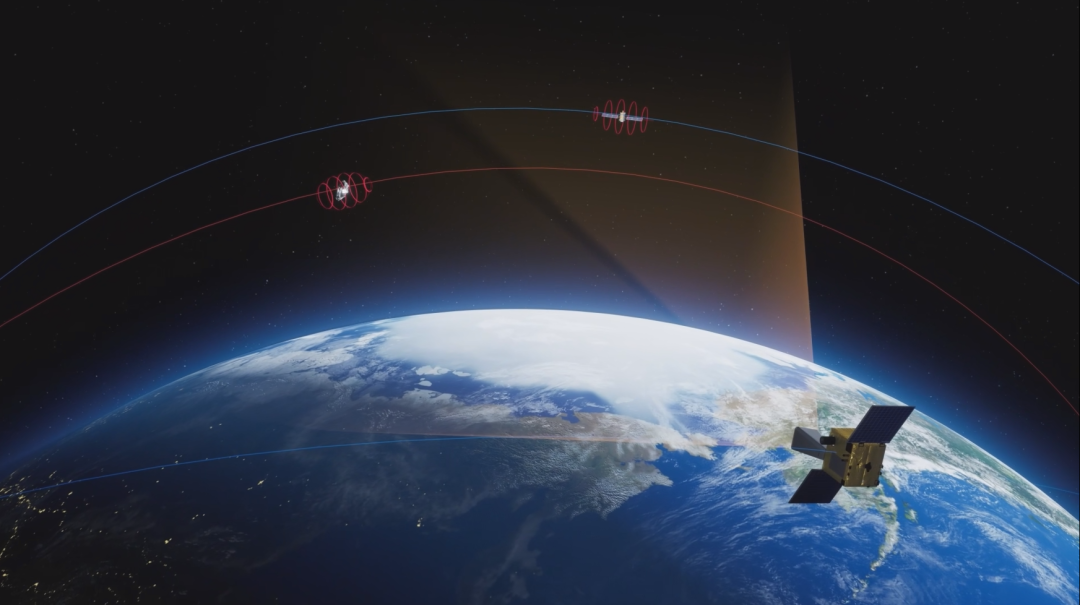
China has successfully launched a new satellite, dubbed “Star Eye,” designed to specifically monitor orbital debris. The launch, conducted on November 7th from the Jiuquan Satellite Launch Center, saw the “Chushen-2” carrier rocket place four satellites into orbit, including “Star Eye,” along with “Guanlan,” “Yun-Yao-1” 28, “Zhongbei University” 1, and “Juntian-1” 06A. The mission was reported as successful.
The “Star Eye” satellite is tasked with observing space objects in orbit, with a particular focus on tackling the escalating problem of space junk. This initiative aims to enhance space traffic management for active satellites and ensure the safety of future space operations.
The Space Debris Dilemma
The growing volume of space debris in low Earth orbit poses a significant risk to spacecraft. Estimates suggest millions of objects between 1 and 10 centimeters in size are currently in orbit, invisible to the naked eye but dangerous to operational satellites. With nearly 10,000 active satellites already in orbit and that number constantly increasing, the need for effective monitoring is critical. Traditional ground-based observation methods face limitations due to geographical and climatic factors, leading to gaps in coverage both in time and space.
To overcome these limitations, “Star Eye” (星眼) has been deployed to place a camera directly in space. This “sky-watching from the sky” approach offers a more comprehensive and continuous vantage point for monitoring the orbital environment.
How “Star Eye” Operates
The “Star Eye” satellite is equipped with a specialized space surveillance camera. It operates in a dawn-dusk orbit, where its camera constantly faces the Sun. By detecting the glints of sunlight reflecting off space debris, the satellite can track the trajectories of these objects. This data is then used to determine orbits, associate debris fragments, and create a catalog of all tracked objects in space.
The “Star Eye” Constellation Vision
The long-term plan is to deploy a constellation of 156 “Star Eye” satellites. Development will proceed in phases, beginning with experimental satellites like “Star Eye-01.” This phased approach will allow for rigorous testing of the cameras, onboard computing, intelligent algorithms, and the overall reliability of the space perception system in orbit.
This development represents a crucial step towards ensuring the safety of future space missions and promoting the long-term sustainable use of outer space.
Source: ithome.com