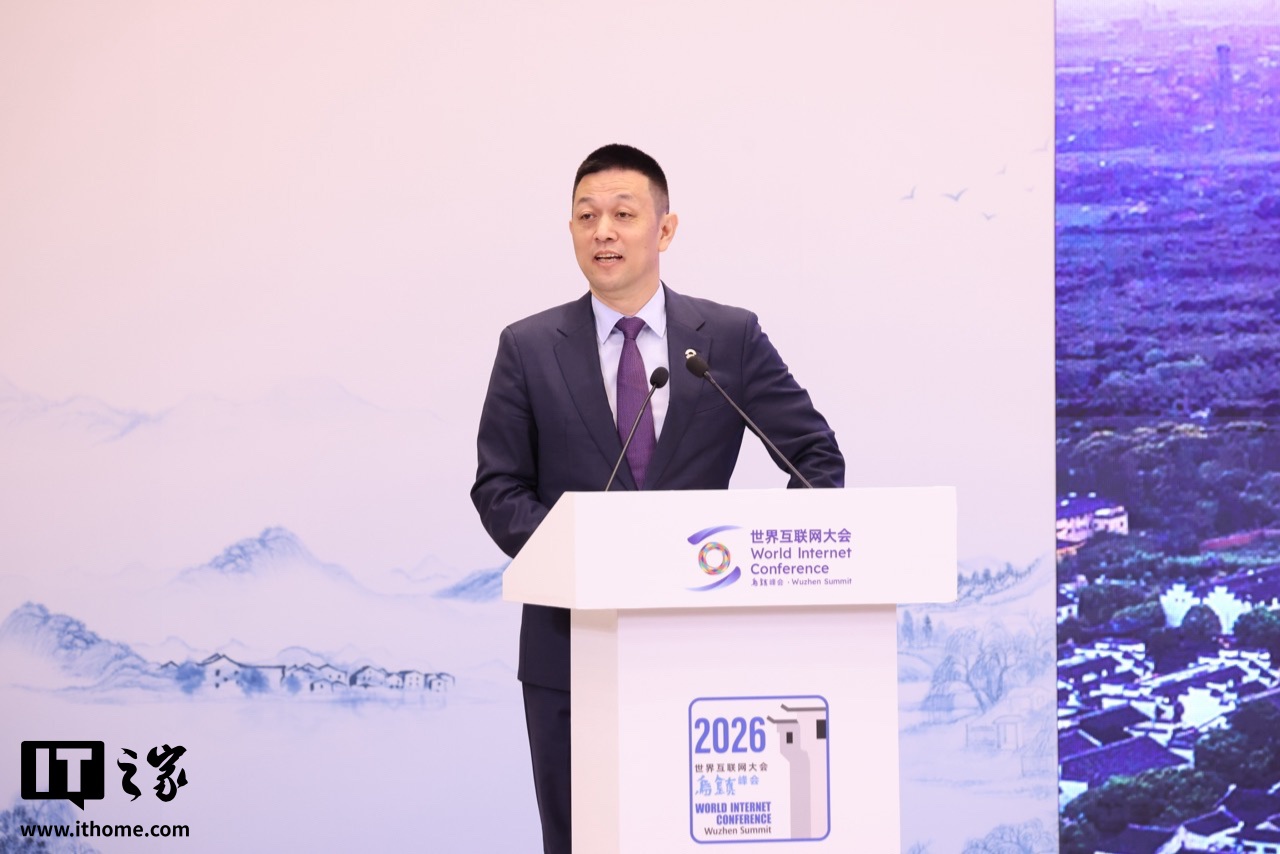
William Li, founder, chairman, and CEO of NIO, recently addressed the 2026 World Internet Conference Wuzhen Summit’s Internet Entrepreneur Forum, delivering a keynote speech focused on the profound impact and ethical considerations of Artificial Intelligence.
Smart Electric Vehicles as the Forefront of AI Application
Li highlighted that smart electric vehicles represent the largest AI application industry today. He emphasized that the true value of AI should lie in making human work easier and safer, rather than threatening human existence. As AI increasingly bridges the gap between the digital and physical worlds, its integration into the automotive sector is becoming paramount.
The Immense Economic Potential of AI in Automotive
The global automotive industry is a behemoth, with a total market size estimated to be between 7 to 9 trillion US dollars, encompassing everything from parts manufacturing and vehicle sales to after-sales services and financial offerings. Li projected that the application of AI within this sector alone could generate over 1.2 trillion US dollars in commercial value. This staggering figure underscores the transformative economic opportunities AI presents to the automotive landscape.
AI’s Role in Enhancing Safety and Efficiency
Beyond its economic implications, Li pointed out that cars are not just crucial platforms for AI innovation but are also deeply intertwined with daily life and societal functions. He cited the daily commitment of over 1.5 billion hours driven by motorists globally and the tragic statistic of more than 1.16 million road traffic deaths annually. In this context, Li argued that the significance of intelligent driving systems extends beyond mere job displacement for professional drivers, such as taxi and ride-hailing operators. Instead, its primary benefit lies in freeing up drivers’ energy and, critically, reducing accidents.
“AI’s value is to make people’s work easier and safer, not to deprive humans of their meaning of existence.”
Li’s statement serves as a powerful call to action for the responsible development and deployment of AI, particularly within the rapidly evolving smart electric vehicle industry. The focus, he insists, must remain on augmenting human capabilities and improving safety, ensuring that technological advancement serves humanity’s best interests.