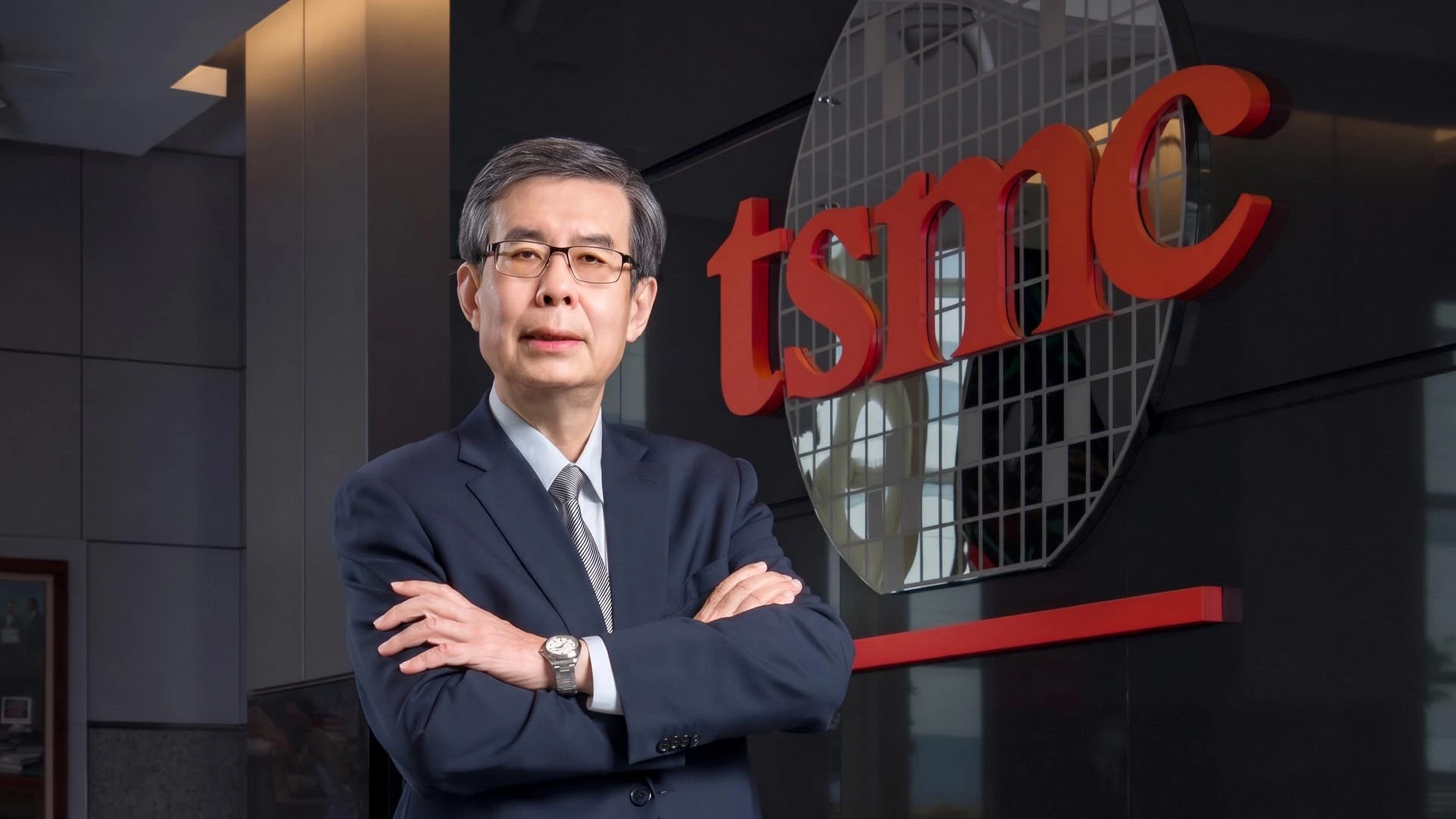
TSMC Executive Vice President and Co-Chief Operating Officer, Dr. Y.P. Chin, recently shared insights during an exchange with university students, emphasizing that extended work hours do not necessarily translate to improved research and development (R&D) efficiency. He recalled a past initiative at TSMC, the ‘Night Owl’ 24-hour R&D program, which was launched during a period when the company was technologically lagging and eager to catch up with international competitors. The program aimed to accelerate technical breakthroughs by having R&D engineers undertake nighttime development tasks, thereby increasing operational hours.
‘Night Owl’ Program: A Six-Month Experiment
However, this ambitious 24-hour R&D plan, designed to create a time advantage over rivals, was ultimately short-lived, failing after approximately six months of implementation. At the time, there was a prevailing internal belief at TSMC that if its R&D team worked around the clock while US competitors worked only eight hours a day, the company could achieve a competitive edge through accumulated time. This hypothesis, however, did not yield the expected results.
R&D: Brainpower Over Brawn
Dr. Chin concluded that R&D fundamentally relies on thinking, judgment, and innovation – it is a process driven by ‘brainpower, not manpower.’ Simply increasing working hours does not inherently boost R&D output. This past failure prompted TSMC to re-evaluate its collaboration models between R&D and manufacturing departments.
The ‘One Team’ Culture: A Collaborative Evolution
Historically, the traditional process involved R&D completing process development before handing it over to the wafer fabrication plants. This approach encountered setbacks. Subsequently, TSMC cultivated a ‘One Team’ culture, fostering synergistic collaboration among departments such as R&D and manufacturing, all working towards common objectives and sharing joint responsibility for the final outcomes.
Dr. Chin provided an example illustrating the benefits of this integrated approach. When new processes transition from R&D to mass production, involving the fabrication plants earlier in the development and extending the handover overlap period leads to smoother yield ramp-ups. Furthermore, when production lines encounter process-related issues, a multi-team approach to root cause analysis proves more effective and faster than isolated investigations by a single department.
This shift in philosophy underscores TSMC’s commitment to optimizing its R&D processes, recognizing that true innovation stems from focused, intelligent effort rather than simply extended hours. The lessons learned from the ‘Night Owl’ project have evidently shaped TSMC’s more collaborative and efficient operational strategies, contributing to its sustained leadership in the semiconductor industry.