Blizzard Entertainment is facing backlash from players of its long-running massively multiplayer online role-playing game, World of Warcraft. Recent additions to the in-game shop have been perceived as a direct violation of a previous developer promise regarding the sale of items tied to players’ core fantasy elements.
Controversial Cosmetic Items Emerge
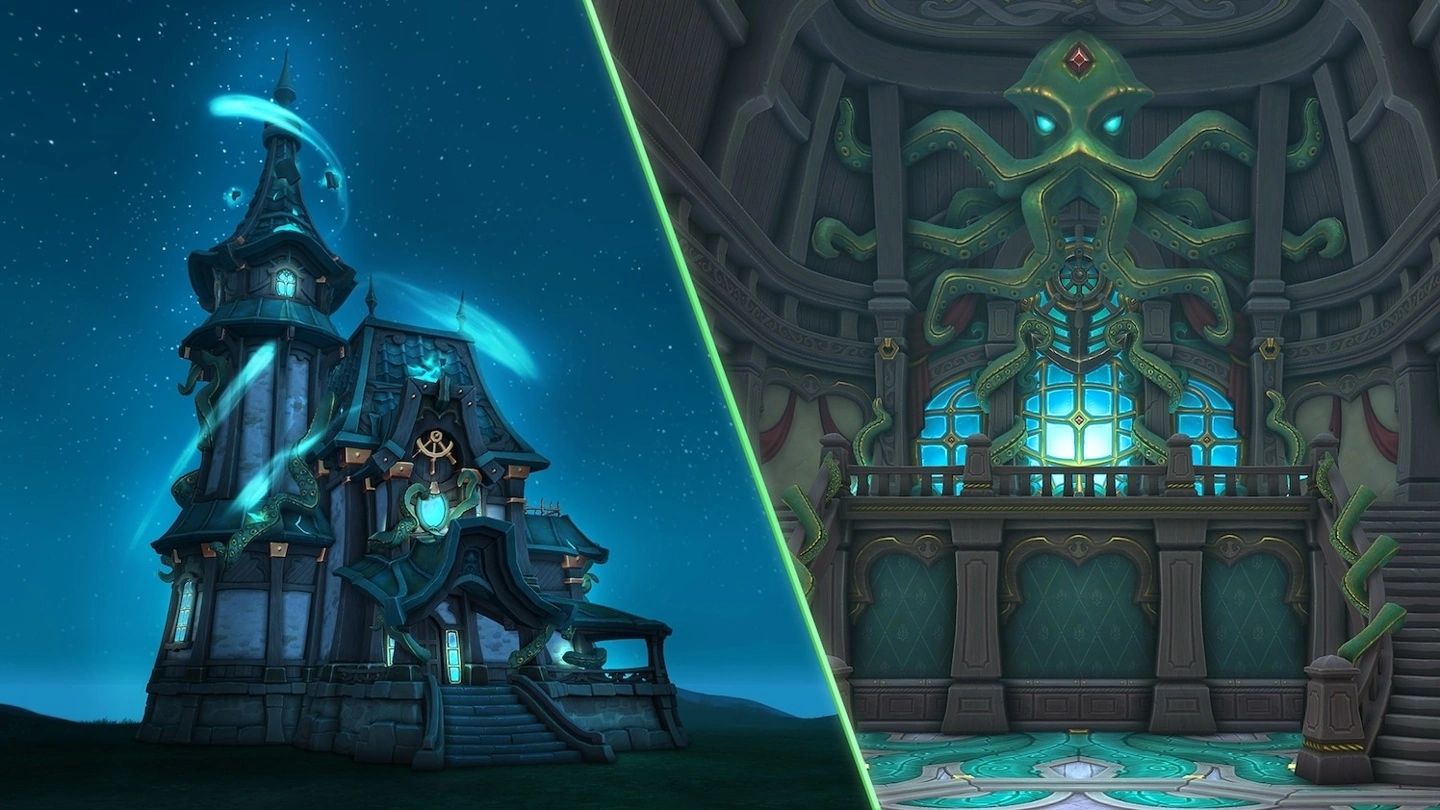
Specifically, two new paid housing decoration packs have appeared on the Battle.net store: the “Haunted Greystone Manor” priced at $25 USD and the “Greystone Decor Set” for $10 USD. These items, featuring a pirate and Cthulhu-inspired aesthetic, are strongly associated with the Kul Tiran player race.
This move has ignited player frustration, as it appears to contradict a developer blog post from November 2020. In that post, Blizzard had stated:
Items that are tied to the core fantasy of your player race or class, or items that exist within Azeroth, will not be available for sale in the shop. Decorative items that players know and love, and that hold significant thematic meaning, will also not appear in the shop.
Players argue that these new decorations, which are deeply connected to a specific playable race’s theme, directly breach this commitment. The fact that these items are being sold for real money, rather than being earnable in-game, has further fueled the accusations of broken trust.
Player Reactions and Accusations
The community’s response has been largely critical, with many players taking to forums and social media to voice their disappointment and anger. The core of the criticism lies in Blizzard’s apparent U-turn on its promise. Players feel that the company has undermined their trust by monetizing elements that were explicitly stated to remain outside the scope of real-money transactions.
The specific nature of the decorations, linking them to a distinct player race’s identity, makes the perceived violation even more significant for a segment of the player base. This raises questions about Blizzard’s long-term strategy for the in-game shop and its commitment to player-centric promises.
As of now, Blizzard has not issued a formal statement addressing the player concerns regarding these new cosmetic items and the alleged broken promise. The situation highlights the delicate balance developers must maintain between monetization and preserving the integrity of player fantasy in live-service games.