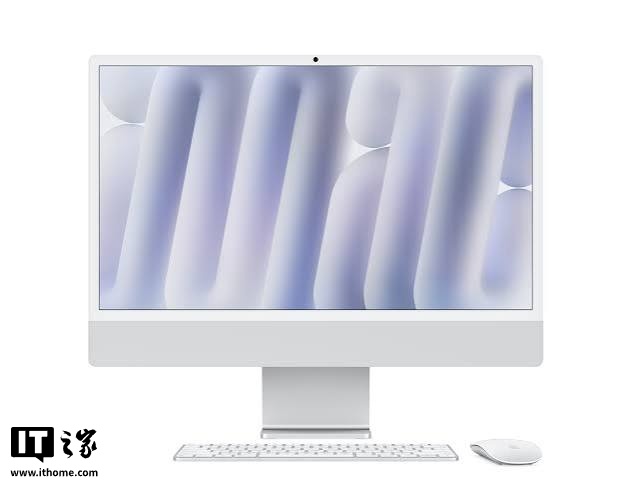
Apple is reportedly exploring the integration of OLED screen technology into its more mainstream Mac computers, specifically the iMac and MacBook Air lineups. This move, if realized, would represent a significant shift in Apple’s display strategy for its laptop and desktop offerings.
OLED Exploration in the Mac Lineup
Mark Gurman, a reputable journalist from Bloomberg, revealed in his latest ‘Power On’ newsletter that Apple is currently testing prototype iMac and MacBook models equipped with OLED displays. While this indicates a potential future direction, Gurman cautions that there is no concrete timeline for the public release of these OLED-equipped Macs.
The inclusion of OLED technology in these popular Mac models could bring substantial visual improvements, including deeper blacks, higher contrast ratios, and potentially more vibrant colors, compared to the current LCD or Mini-LED technologies used in Macs.
Current iMac and MacBook Air Updates
Gurman also shared insights into upcoming, non-OLED updates. He mentioned that an upgraded iMac is expected to be launched by Apple in the coming days, but it will not feature an OLED panel. Separately, the next generation of MacBook Air is anticipated to arrive in early 2027, and this model will also stick with conventional display technology, foregoing OLED for now.
Rumors and Speculation on OLED Macs
The idea of OLED screens appearing in iMac and MacBook Air models has been circulating for several years, fueled by various supply chain reports and analyst predictions.
For instance, a supply chain report from December 2025 suggested that an OLED version of the 24-inch iMac was slated for a 2027 release. However, more recent reports this year have indicated a potential delay, pushing the OLED iMac’s launch to as late as 2029.
Similarly, prominent analyst Ming-Chi Kuo had previously predicted that an OLED MacBook Air would debut later than expected, possibly not until 2029.
Apple’s Display Technology Evolution
Apple has progressively adopted advanced display technologies across its product lines. The iPhone has utilized OLED screens for many years, offering premium visual experiences. More recently, Apple introduced Mini-LED technology to its higher-end MacBook Pro and iPad Pro models, providing excellent brightness and contrast. The move towards testing OLED for iMac and MacBook Air suggests Apple is evaluating the cost-effectiveness and scalability of OLED for its broader computer range.
The timeline for such a transition remains uncertain. Factors such as manufacturing costs, panel durability, and the precise performance benefits compared to existing technologies will likely play a crucial role in Apple’s final decision and rollout schedule.
While fans eager for the latest display technology on their Macs will have to wait, the ongoing testing indicates that OLED is very much on Apple’s radar for its future computer offerings. Until then, users can anticipate incremental updates to existing product lines, focusing on performance and other hardware enhancements.
Apple is also rumored to be preparing for a special event in the near future, where new Mac and iPad models are expected to be unveiled. It remains to be seen if any of these upcoming announcements will shed further light on Apple’s long-term display strategies.