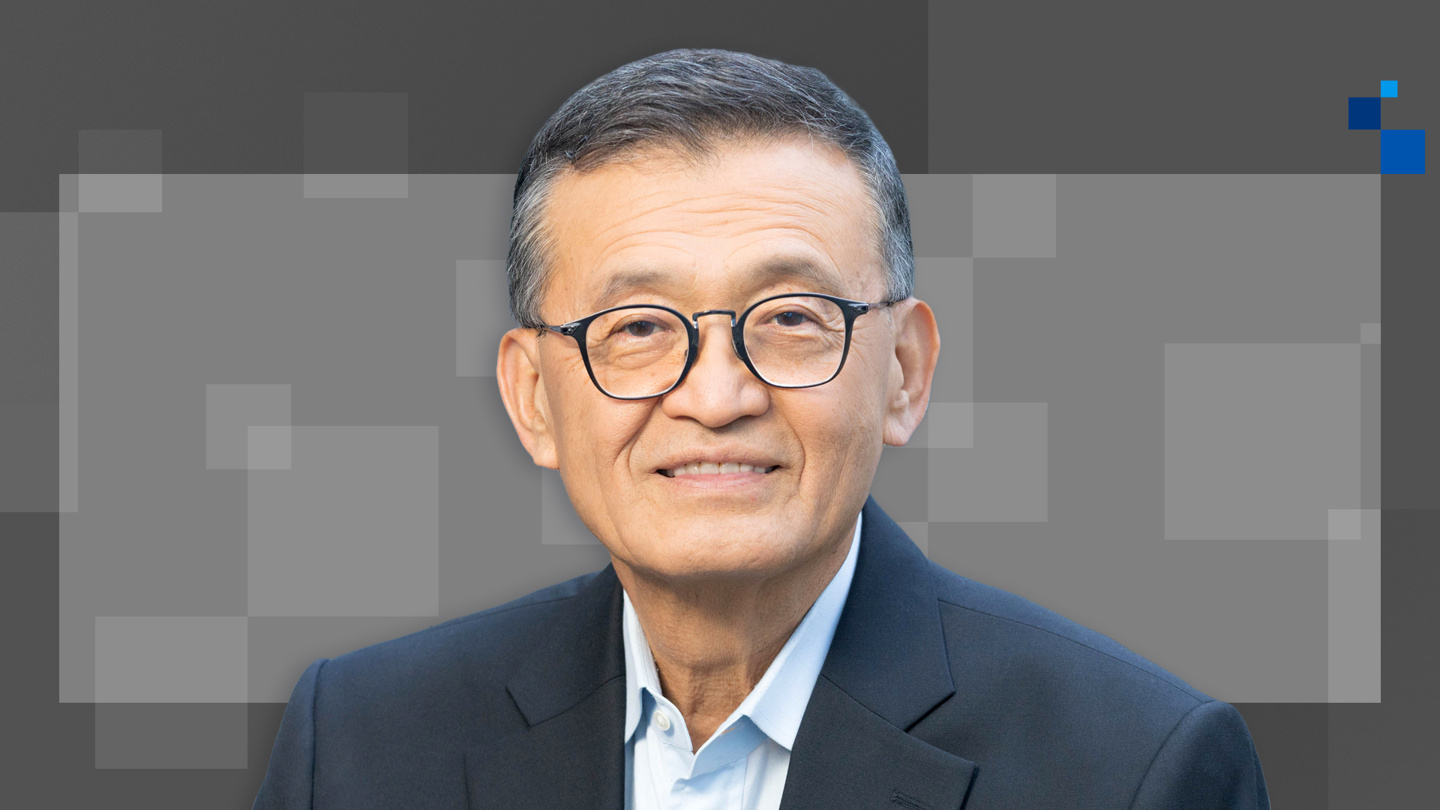
Intel CEO Lip-Bu Tan has stated that the U.S. government, despite holding a minority stake, has no intention of interfering with the chipmaker’s operational strategies or business decisions. Speaking to the Nikkei, Tan emphasized Intel’s independence, asserting that the company makes its own choices based on its best interests.
Government Investment and Strategic Alignment
The U.S. government’s investment in Intel began last year with a $8.9 billion federal funding conversion, granting it a 9.9% stake. This share was later diluted to approximately 8.2% after a secondary offering in August. This investment was initially aimed at supporting Intel’s expansion of advanced chip manufacturing capacity within the United States. Tan highlighted that this government backing is crucial for Intel’s long-term capital investments in building a competitive foundry business. He drew parallels with TSMC, which took 10 to 20 years to become a leading global foundry.
“From a foundry perspective, Intel must adopt a long-term view, and strong government support is vital,” Tan commented, adding that the foundry business has the potential to become a growth engine if managed effectively, though he acknowledged that “it will take time.” The semiconductor industry requires continuous, multi-year capital expenditures in the tens of billions to construct fabs and develop increasingly sophisticated manufacturing processes.
Intel’s Restructuring and Growth Avenues
Intel is currently navigating a significant restructuring effort to reclaim its standing in advanced semiconductor manufacturing. The company has faced challenges, falling behind TSMC in chip foundry services and losing market share to competitors like NVIDIA in the AI chip sector. Under the previous CEO, Pat Gelsinger, Intel launched an ambitious plan to invest billions in expanding foundry capacity. However, the substantial restructuring costs led to a net loss of $16.6 billion in the third quarter of 2024, followed by Gelsinger’s resignation in December of the same year.
The company’s restructuring initiative has also attracted other significant investments. SoftBank Group and NVIDIA have collectively invested around $7 billion, acquiring corresponding equity stakes. Tan expressed gratitude to these investors, noting that the investment also offers financial upside for them, with potential for “substantial profits” and returns of five to six times their investment. Intel’s current stock price hovers around $100 per share, having quadrupled since Tan assumed the CEO role in March 2025.
Tan reported that Intel’s restructuring efforts are now 80% complete. He identified advanced AI chip packaging and Application-Specific Integrated Circuits (ASICs) as key areas for future growth. Since taking the helm, Tan has revamped much of the executive team, bringing in top talent, such as Seok-Hee Lee, former CEO of SK Hynix, a memory chip giant that has also benefited from the AI boom.
Leadership and Global Competition
Lip-Bu Tan, a Malaysian-Chinese executive with an engineering degree from MIT, previously led the silicon valley electronic design automation firm Cadence Design Systems for an extended period. Addressing the competitive threat from China’s semiconductor industry, the 66-year-old executive adopted a measured stance. He stated that both U.S. and Chinese companies have their unique strengths and weaknesses, and the focus should be on what is most beneficial for consumers and enterprise users. He also acknowledged the sensitivities surrounding “geopolitical restrictions.”
When questioned about whether China’s chip capabilities could catch up to the U.S. in the next 5 to 10 years, Tan offered a concise assessment: “As it stands now, the gap isn’t that large.”