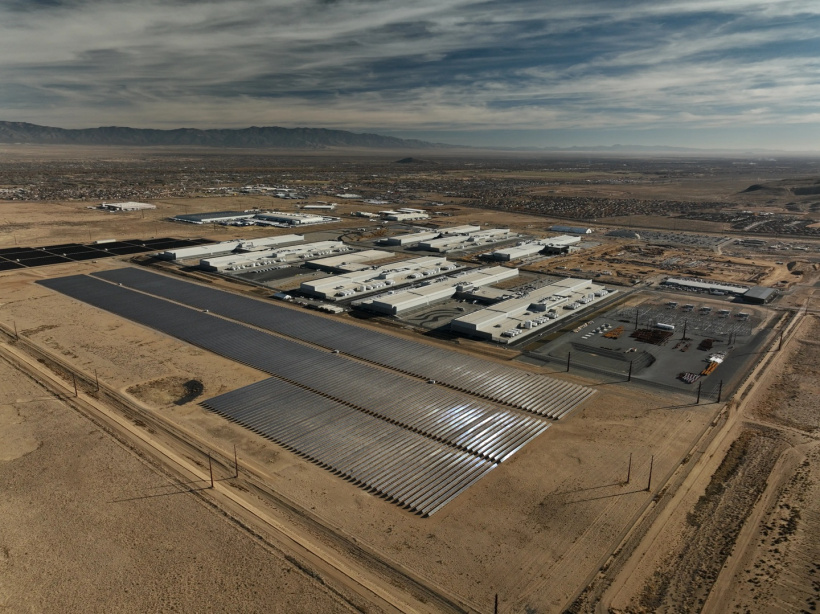
In a surprising turn of events, Meta has reportedly decided to put a halt to its plans to lease AI computing power to its competitor, Anthropic. The Wall Street Journal revealed this development, indicating that discussions between the tech giants have stalled.
Internal Discussions Led to Decision
Sources suggest that Anthropic’s CEO, Dario Amodei, personally reached out to Meta’s Chief AI Officer, Alexandr Wang, earlier this year. The goal was to secure AI compute chips from Meta, a move that would have seen Meta essentially supplying the very resources needed by a key rival in the rapidly evolving AI landscape.
Meta engaged in internal deliberations regarding this potential partnership. However, the company ultimately concluded that it would be best to refrain from providing its computing resources to Anthropic at this time. This decision comes as Meta’s own AI endeavors are experiencing a significant resurgence.
Meta’s Growing AI Needs
With the gradual rollout of its own internally developed ‘Muse’ series models, Meta’s AI business has seemingly recovered from an earlier slump. This recovery has led to a swift and substantial increase in Meta’s own demand for computing power. In this context, the idea of leasing out its precious AI compute resources to a competitor like Anthropic would be akin to ‘arming the enemy,’ a strategic move Meta appears unwilling to make.
Compute Power: A Bottleneck for AI Talent
The availability of computing resources is proving to be a critical factor influencing career choices within the AI talent pool. The report highlights the case of Noam Shazeer, a core author of the Transformer architecture, who reportedly left Google for a second time partly due to insufficient access to compute power. This underscores the growing challenge of securing adequate computational resources for cutting-edge AI research and development.
Furthermore, the AI industry’s growth is being hampered by a significant disconnect between promises of extensive compute infrastructure development and the actual delivery of these resources. This shortfall in readily available compute power is limiting the pace of innovation and development across the AI sector.