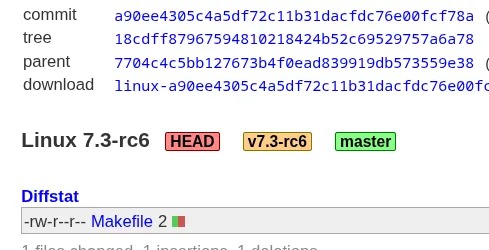
Linus Torvalds has released Linux 7.3-rc6, marking a return to typical code change statistics after a period of unusual activity. While driver fixes once again dominate the landscape, Torvalds highlighted a significant shift in the development cycle: the increasing involvement of AI and Large Language Models (LLMs) has become the “AI new normal” for Linux kernel development.
AI Integration Becomes Standard in Kernel Development
In his release notes, Torvalds observed that the current development cycle is characterized by a substantial number of small, error-path fixes being integrated into the kernel code. This trend, amplified by AI and LLM contributions, has led to a more active development phase than previously seen. Earlier testing versions of Linux 7.3, including rc3, rc4, and rc5, had already shown a notable influx of patches identified or generated with AI assistance.
Torvalds clarified that this “AI normal” doesn’t signify an abnormal development process. Instead, it reflects an evolving workflow where AI tools enhance code inspection, defect discovery, and patch submission. This, in turn, requires kernel maintainers to manage a greater volume of granular fixes.
What’s New in Linux 7.3-rc6?
Beyond the AI-driven developments, Linux 7.3-rc6 includes several other key updates:
- Driver Fixes: The majority of changes focus on repairing issues across various subsystems, including GPU, network, USB, TTY, IIO, and audio drivers.
- Architecture Updates: Regular updates to the kernel’s architecture are present, with a particular emphasis on KVM-related improvements.
- Core Networking: Fixes have been applied to the core network code.
- File Systems: Work on the SMB client is a notable aspect of the file system updates.
- New Self-Tests: A suite of new kernel self-tests (selftests) has been incorporated.
Hardware Support and Notable Reversions
Linux 7.3-rc6 introduces expanded support for the Turtle Beach VelocityOne Race steering wheel and pedal system. Previously, basic HID input was functional, but integration issues persisted. The addition of the specific device ID to the hid-universal-pidff driver now provides more comprehensive support for this racing simulation hardware, typically priced between $649 and $700.
Conversely, support for the Logitech Bolt Receiver HID++ has been reverted in Linux 7.3. This decision stems from user feedback citing numerous issues with its implementation. Other HID-related updates include a buffer overflow fix for the Intel THC driver and various other device support enhancements and bug fixes.
Looking Ahead: Release Schedule and Ubuntu Impact
Despite the ongoing influx of AI-related changes, Torvalds remains confident in the development timeline. He noted that the upcoming Maintainer’s Summit and Linux Plumbers Conference might lead to variations in the code statistics for the next release candidate, rc7, due to travel schedules. However, these events are not expected to disrupt the overall release schedule for Linux 7.3.
The stable release of Linux 7.3 is anticipated in mid-October. This timing is particularly significant as Canonical has designated Linux 7.3 as the target kernel for Ubuntu 26.10, shifting from an earlier plan to use Linux 7.2. The timely release of Linux 7.3 will therefore directly influence the final kernel base for the upcoming Ubuntu version.