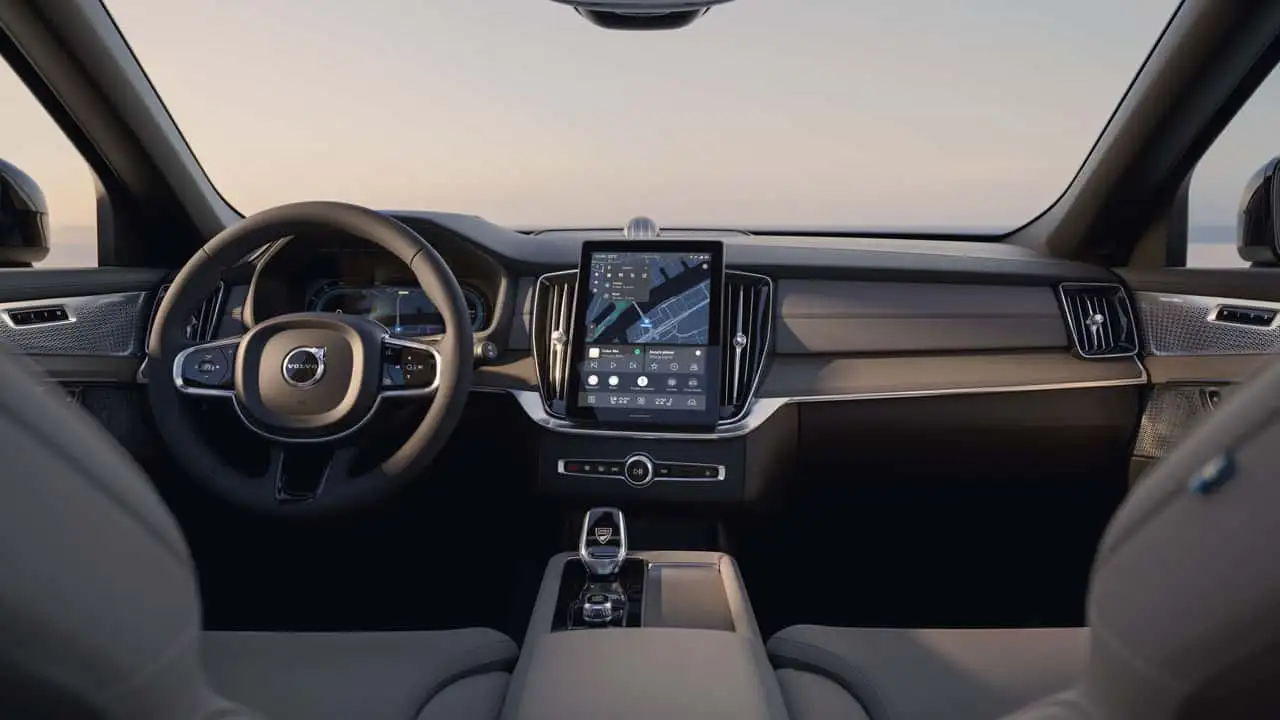
Volvo is set to reintroduce more physical buttons into its vehicle interiors, a move driven by increasing consumer and media criticism of the company’s heavy reliance on touchscreens. Thomas Ingenlath, Volvo’s Head of Design, revealed this shift in direction during a Q&A session following the company’s “2026 Strategic Update” event.
Rethinking In-Car Interaction
In recent years, many automakers, including Volvo, have progressively moved towards minimalist dashboards dominated by large touchscreens, phasing out traditional physical controls. This trend has drawn considerable backlash, with many users finding the touchscreen-only approach distracting and less intuitive for certain functions. Ingenlath acknowledged these concerns, stating that Volvo is prepared to reassess how drivers interact with their vehicles.
“We are not abandoning touchscreens, but we are going to rethink what the driver’s interaction with the car should be like,” Ingenlath explained. He clarified that the company would not revert to the button-heavy designs of older models. Instead, the focus will be on discerning which operations are best suited for physical controls and which can remain on the touchscreen.
“Touchscreens will do what they are best at. Functions that should always be visible on the screen should not only be in the screen. Not all functions are suitable for touch operation. The touchscreen will do what it is good at, so we will reintroduce a few more physical buttons than we have today,” he added.
The Tactile Experience: A Lesson from Leica
Ingenlath drew a parallel to the appeal of classic Leica cameras, highlighting that their charm isn’t solely due to physical controls but also the tangible quality of the knobs and buttons themselves. He emphasized the importance of the feel, material, sound, and distinct shapes and operations associated with each control. Volvo aims to bring this level of deliberate, tactile, and easily distinguishable interaction back into its cars.
Enhancing Premium Feel with Physical Controls
The integration of physical controls is also seen as a way to enhance the sense of premium quality within the cabin. Ingenlath suggested that using rotary knobs where appropriate, designing unique shapes for different switches, and ensuring these physical elements are seamlessly integrated into the overall vehicle design, rather than appearing as an afterthought, are key priorities.
This decision by Volvo aligns with a broader industry trend where several other manufacturers are also reconsidering their approach to in-car controls. Companies like Renault, Mercedes-Benz, Audi, MINI, and Kia have all expressed a desire to balance digital interfaces with the practicality and user satisfaction offered by physical buttons and knobs, recognizing that a purely digital approach can sometimes detract from the driving experience and the perceived quality of the vehicle.
The move suggests a growing understanding within the automotive industry that while touchscreens offer sleek aesthetics and advanced functionality, they cannot entirely replace the intuitive, haptic feedback and immediate accessibility that physical controls provide for essential driving functions.