In a groundbreaking study published in Nature Communications on April 2, 2026, scientists have revealed that the Neretva Vallis riverbed on Mars contains the highest nickel concentrations ever detected in Martian bedrock. The data, captured by NASA’s Perseverance rover, suggests an environment that was not only habitable but potentially inhabited by microbial life billions of years ago.
The “Nickel Paradox”: Why It Matters for Life
On Earth, nickel is a “biological catalyst.” While not central to human biology, it is indispensable for ancient microbial life.
-
The Wood-Ljungdahl Pathway: This energy-efficient anaerobic process allows bacteria and archaea to fix $CO_2$. Nickel is the core engine for the enzymes driving this metabolism.
-
Methanogenesis: Nickel is vital for methane-producing organisms. Historically, a decline in oceanic nickel on Earth is believed to have triggered the collapse of atmospheric methane, leading to the Great Oxidation Event.
The Data: Breaking Records at Neretva Vallis
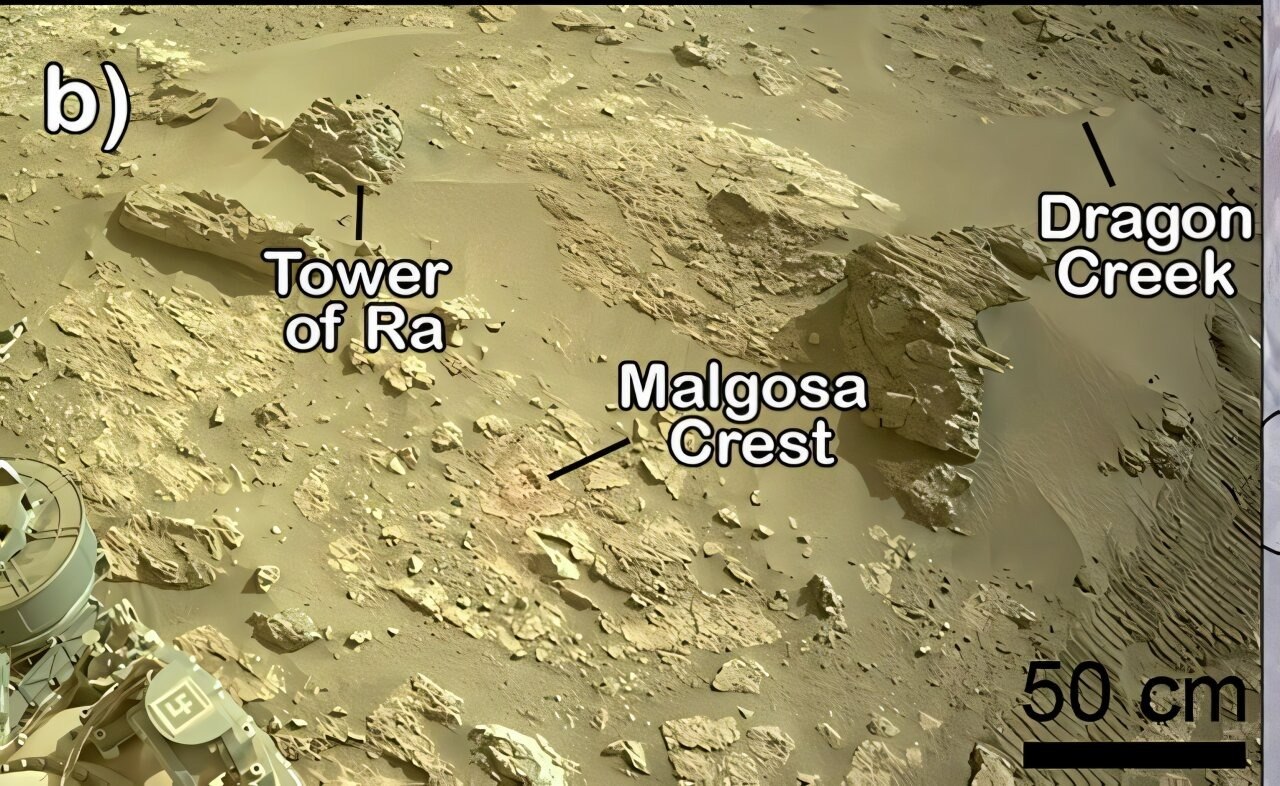
Using the SuperCam instrument’s Remote Laser-Induced Breakdown Spectroscopy (LIBS), Perseverance analyzed 126 rock targets. The findings are startling:
-
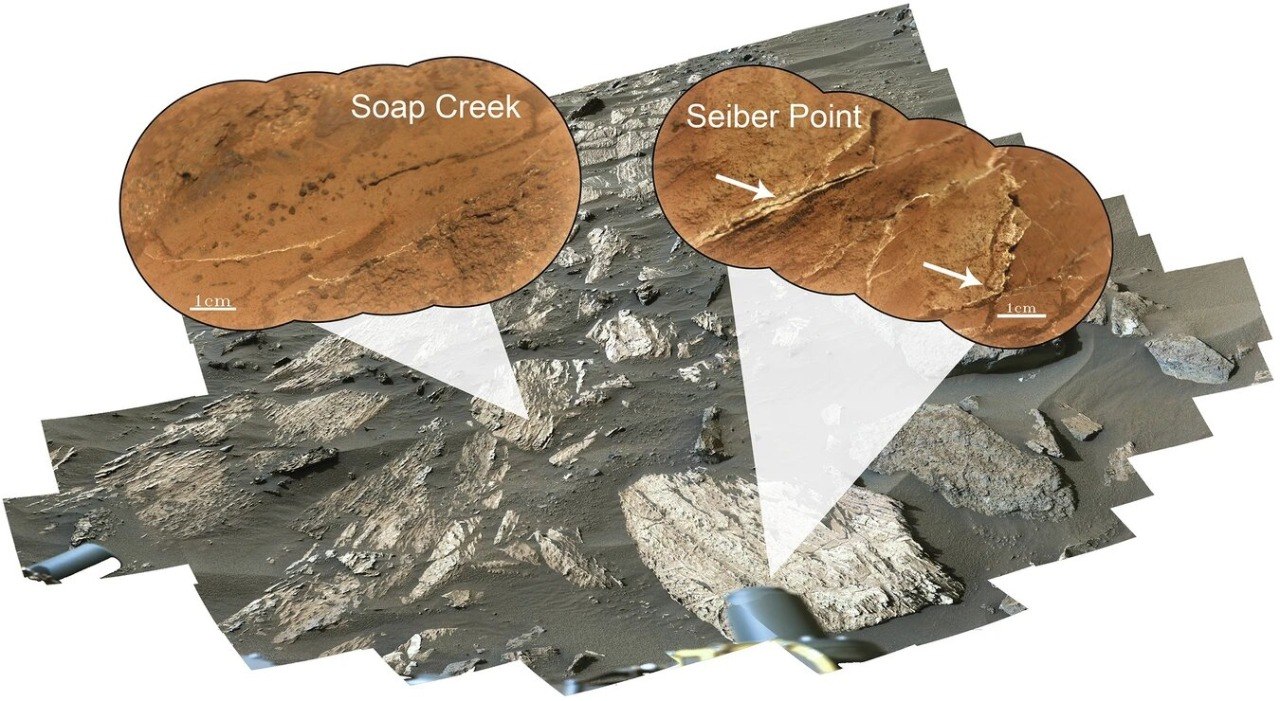
Peak Concentration: Up to 1.1 wt.% Ni, the highest ever seen in Martian bedrock.
-
Prevalence: 32 out of 126 rocks showed concentrations above 0.12 wt.%.
-
Geological Context: The nickel was found primarily in iron-rich rocks and magnesium sulfate veins, mimicking the geochemistry of Earth’s oldest life-bearing rocks from the Noachian era (~4.1–3.7 billion years ago).
Biological vs. Geological: The Two Theories
| Theory | Mechanism | Evidence |
| Potential Biosignature | Microbial reduction of sulfates in the presence of iron minerals. | Similarity to terrestrial sedimentary iron sulfides formed by ancient microbes. |
| Abiotic Enrichment | Meteoritic delivery or intense chemical weathering of ultramafic protolith. | Presence of Ni in iron-rich matrices; volcanic/meteoritic redistribution by water. |
The “Smoking Gun”: Bioavailability
The study authors clarify that while high nickel doesn’t prove life existed, it proves bioavailability. If microbes were present, the “fuel” (nickel) for their metabolism was abundant. However, Perseverance lacks the instruments for the detailed isotopic analysis needed to confirm a biological origin.
Xpert Take: The Case for Mars Sample Return
This discovery turns the Mars Sample Return (MSR) mission from a scientific “want” into a global “need.” The samples collected at Neretva Vallis are now the most high-priority targets in the history of space exploration. If these rocks reach Earth, the laboratories in Europe and the US can finally confirm whether Mars once hosted a biosphere similar to Earth’s own Noachian period.