Energy has become one of the most critical operational risks for businesses in Ukraine. Grid instability, infrastructure damage, and fluctuating electricity availability have shifted energy from a background utility to a central factor in business continuity. For many companies, the question is no longer how to reduce energy costs, but how to ensure operations can continue at all.
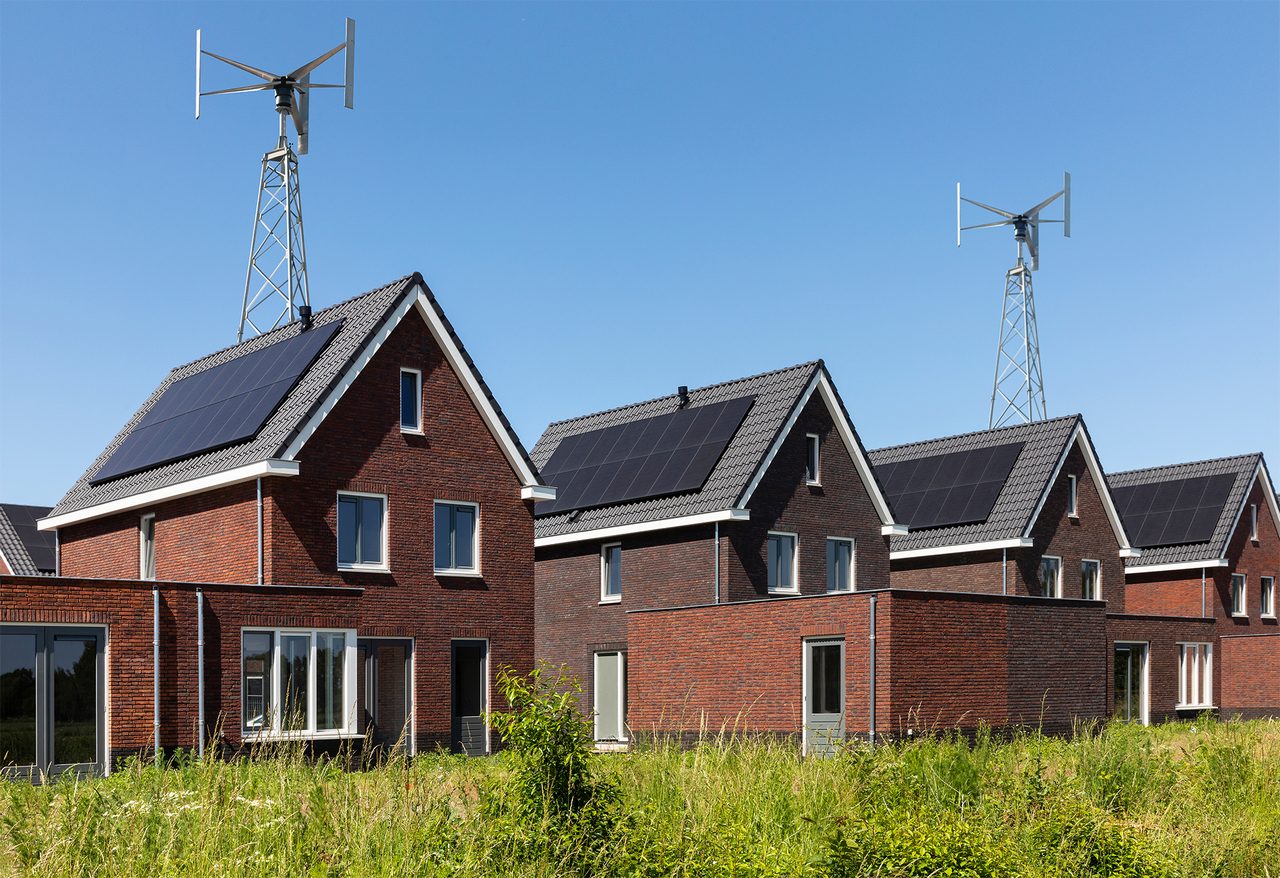
In this context, interest in decentralized energy solutions is growing rapidly. Among them, hybrid systems combining solar photovoltaic (PV), small wind turbines, and battery storage are emerging as a practical and scalable approach to maintaining reliable power supply under uncertain conditions. Solutions such as the Freen-9, a 9 kW small wind turbine designed for on-site generation, are increasingly being considered as part of these systems, particularly in locations where wind conditions can complement solar production.
When the grid cannot be the only solution
Ukraine’s energy system has faced repeated disruptions in recent years, especially during peak demand periods in winter. Even in more stable conditions, voltage fluctuations and temporary outages remain a concern for industrial facilities, agricultural operations, and commercial buildings.
Diesel generators are often used as backup, but they come with significant downsides: fuel logistics, noise, emissions, and rising operational costs. For businesses looking for a longer-term solution, on-site renewable generation combined with storage offers a more sustainable and increasingly cost-effective alternative.
The limitation of solar-only systems
Solar energy has become widely adopted across Ukraine, particularly for self-consumption. However, its limitations are becoming increasingly clear. Solar production is highly dependent on daylight and seasonal conditions, with output dropping significantly during winter months when energy demand is often highest.
This mismatch creates a gap between production and consumption. Businesses relying solely on solar must either draw electricity from the grid or invest heavily in oversized systems and storage to compensate for periods of low generation.
Wind as a complementary energy source
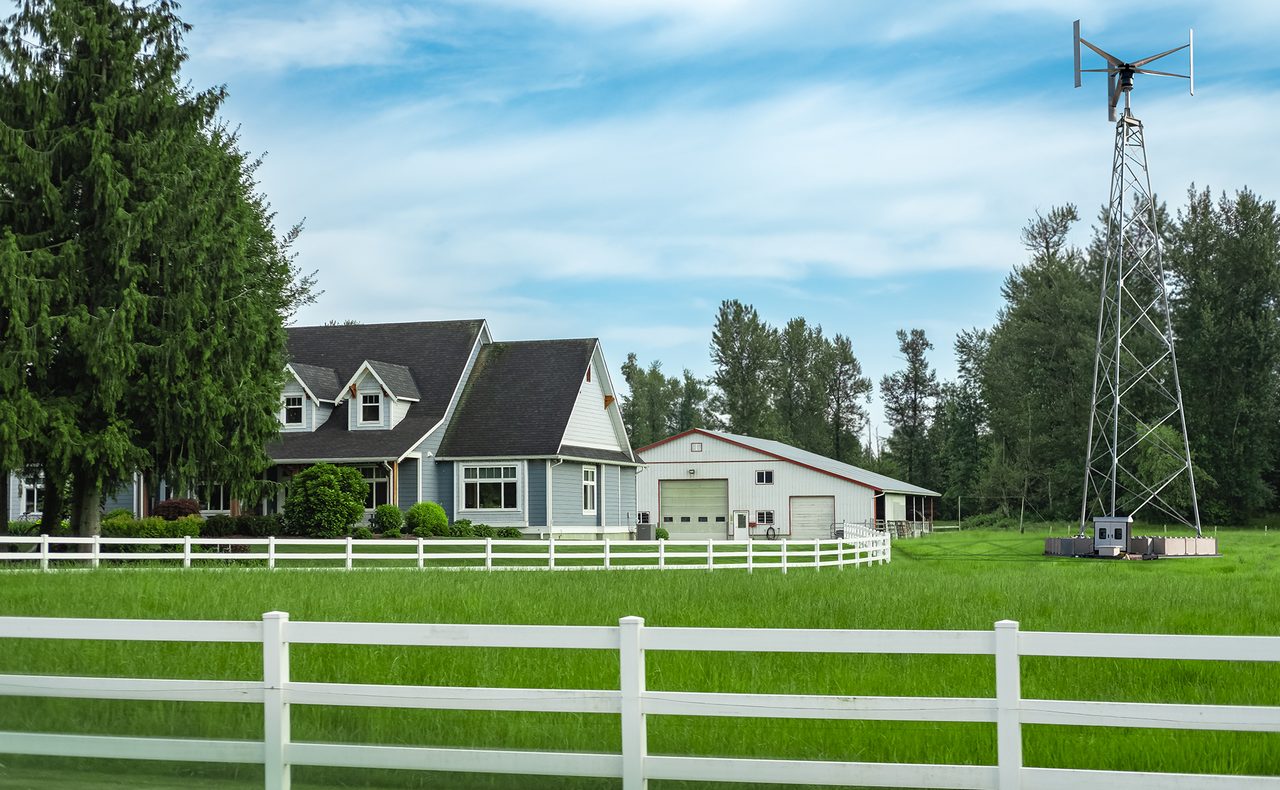
Wind energy follows a different production pattern that can complement solar. In many regions of Ukraine, wind conditions are stronger during autumn and winter, and generation often continues during nighttime hours.
According to wind resource assessments, large parts of southern and eastern Ukraine, as well as open agricultural regions, experience average wind speeds of 5 to 7 m/s at moderate heights. Even in central regions, local conditions such as open terrain or elevated sites can provide sufficient wind potential for small-scale generation.
This makes wind a valuable addition to hybrid systems, helping to balance seasonal and daily fluctuations in solar output.
How hybrid systems work in practice
A hybrid energy system typically combines three main components:
- Solar PV for daytime generation
- Wind turbines for complementary production, especially at night and during colder months
- Battery storage to store excess energy and provide power when generation is low
At the center of the system is a hybrid inverter, which manages energy flows between generation sources, storage, and consumption. It decides when to charge the battery, when to discharge it, and when to draw from or feed into the grid.
This architecture allows businesses to maximize self-consumption, reduce dependence on external supply, and maintain a level of operational continuity even during grid interruptions.
The role of small wind in real-world conditions
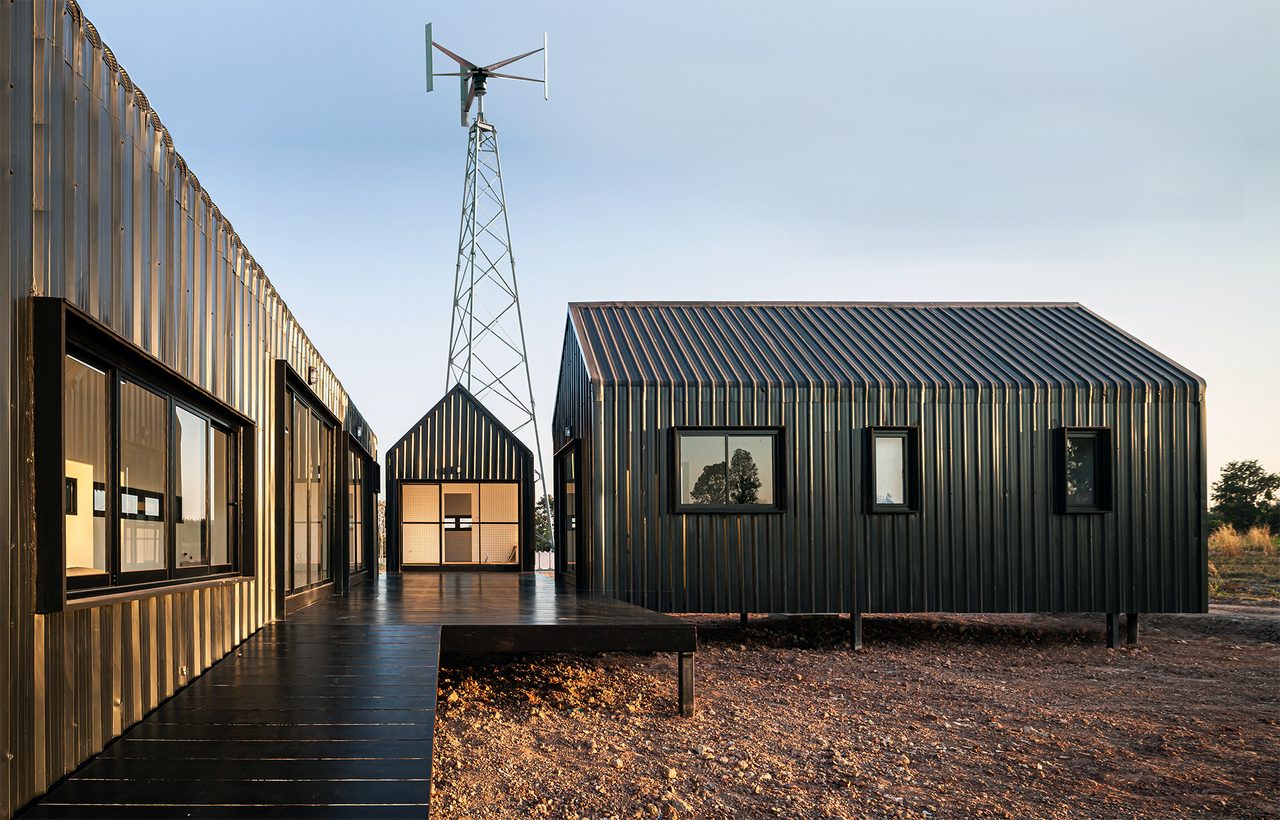
While large-scale wind farms require specific locations and infrastructure, small wind turbines are increasingly designed for decentralized, on-site use. One example is the Freen-9, a 9 kW vertical-axis wind turbine developed for operation in real-world environments.
Unlike traditional horizontal-axis turbines, vertical-axis designs can handle turbulent and changing wind conditions more effectively, which is particularly relevant for installations near buildings, farms, or industrial sites.
The Freen-9 operates at relatively low rotational speeds, with nominal rotor speeds around 90 RPM, contributing to low noise levels, approximately 45 dB at a distance of 100 meters. It has a cut-in wind speed of about 3.5 m/s, allowing it to begin generating power even under moderate wind conditions.
These characteristics make small wind suitable for distributed applications, where perfect wind conditions are not always available but consistent, moderate airflow can still be utilized. In practice, successful implementation depends not only on the technology itself, but also on proper system design and site evaluation. In this context, Freen provides system design support, technical calculations, and site-specific feasibility assessments to help ensure optimal integration of small wind within hybrid energy systems.
Business applications: from farms to industry
Hybrid systems are particularly relevant for sectors where energy demand is continuous and reliability is critical.
- Agriculture: farms often operate in open areas with favorable wind conditions and require energy for ventilation, cooling, and machinery.
- Manufacturing and workshops: even short outages can disrupt production processes and cause financial losses.
- Commercial facilities: retail, logistics, and service providers depend on stable electricity for daily operations.
In these cases, hybrid systems can reduce exposure to grid disruptions while also lowering long-term energy costs.
Toward greater energy independence
Ukraine’s energy system has faced repeated disruptions in recent years, especially during peak demand periods in winter. Even in more stable conditions, voltage fluctuations and temporary outages remain a concern for industrial facilities, agricultural operations, and commercial buildings.
In this context, hybrid solar, wind, and storage systems are not a complete replacement for the grid in all scenarios. However, they represent a significant step toward greater energy independence and resilience.
For Ukrainian businesses operating in an environment where energy security cannot be taken for granted, the ability to generate and manage electricity on-site is becoming a strategic advantage. By combining complementary energy sources and intelligent system management, hybrid solutions offer a way to stabilize operations, reduce exposure to disruptions, and maintain continuity even under challenging conditions.
As technologies continue to evolve and become more accessible, hybrid energy systems are likely to play an increasingly important role in shaping how businesses in Ukraine approach energy, not just as a cost, but as a critical component of operational stability.
About Freen
Freen is a European manufacturer based in Estonia, specializing in small wind turbines and sodium-ion energy storage systems for decentralized energy generation. The company develops and produces its technologies in-house, focusing on solutions designed for real-world conditions, including environments with variable wind patterns and grid instability.
Businesses interested in learning more about the possibilities of hybrid energy systems- including design, technical specifications, and site feasibility assessments – can contact the Freen team via the official website www.freen.com or by email at contact@freen.com. The company provides additional information, technical documentation, and support in evaluating the integration of wind, solar, and energy storage solutions tailored to specific needs.