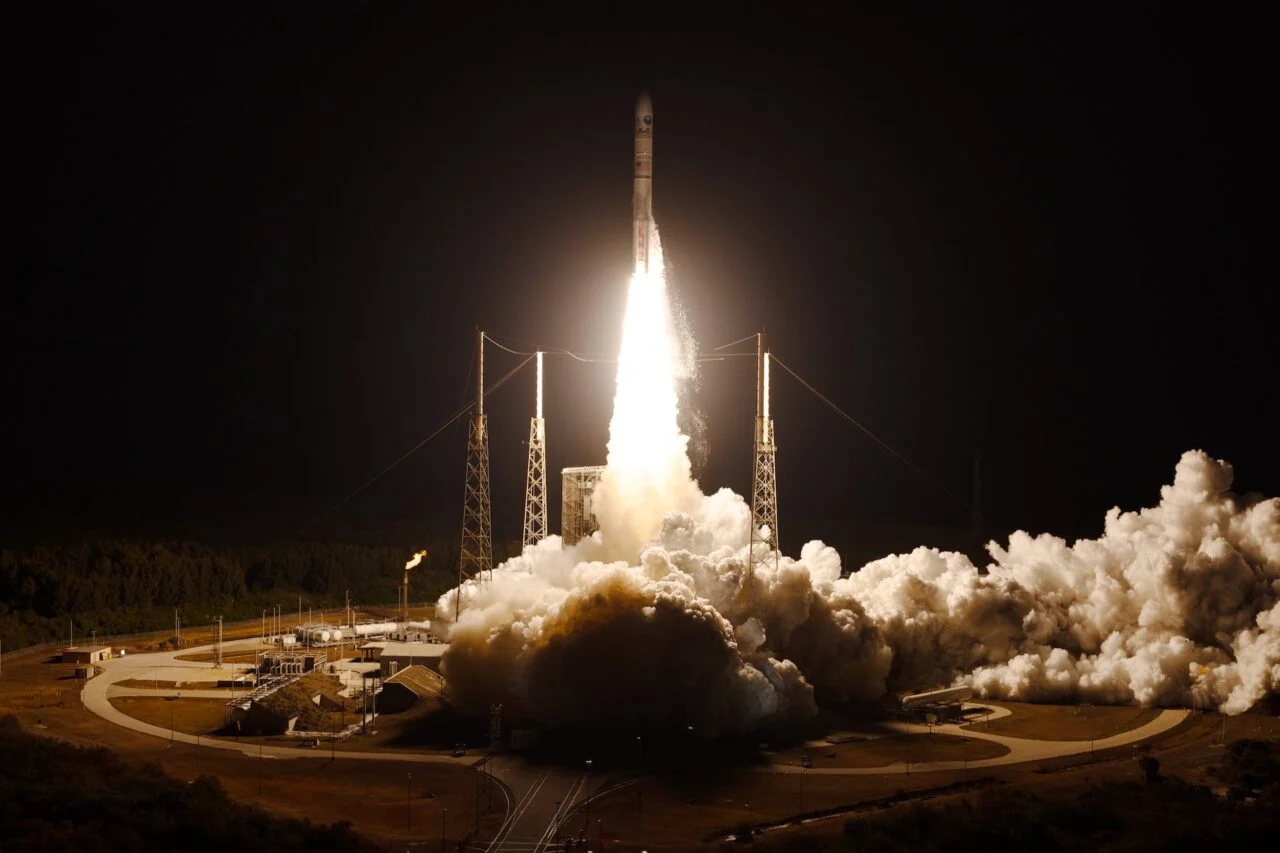
United Launch Alliance (ULA) has pinpointed a probable cause for the failure of its Vulcan Centaur rocket during its November 15, 2026, launch from Florida’s Space Coast. The incident resulted in the loss of 40 Amazon satellites. Preliminary findings suggest the issue stemmed from inadequate fuel delivery to the BE-4 engines powering the rocket’s first stage.
First Stage Investigation
ULA’s investigation revealed that the reduced thrust from the Vulcan Centaur’s first stage was not due to a malfunction of Blue Origin’s BE-4 engines themselves, but rather to problems with their fuel supply. The BE-4 engines, manufactured by Blue Origin, are critical components for the Vulcan Centaur’s first stage and are also slated for use on the future New Glenn rocket.
Previous Issues and Improvements
This is not the first challenge encountered by the Vulcan Centaur rocket. During its second and fourth flights, in October 2024 and February 2025 respectively, issues with the nozzle integrity of its solid rocket boosters (SRBs) were observed. In those instances, the rocket managed to overcome the problems and successfully deliver its payloads to orbit. ULA, in collaboration with SRB manufacturer Northrop Grumman, implemented design modifications to the nozzles. These changes appear to have been effective, as the boosters performed nominally on the November 15 launch. However, this latest incident highlights that the Vulcan Centaur, the successor to the Atlas V, has experienced problems in three of its five launches, with only one resulting in a complete mission failure.