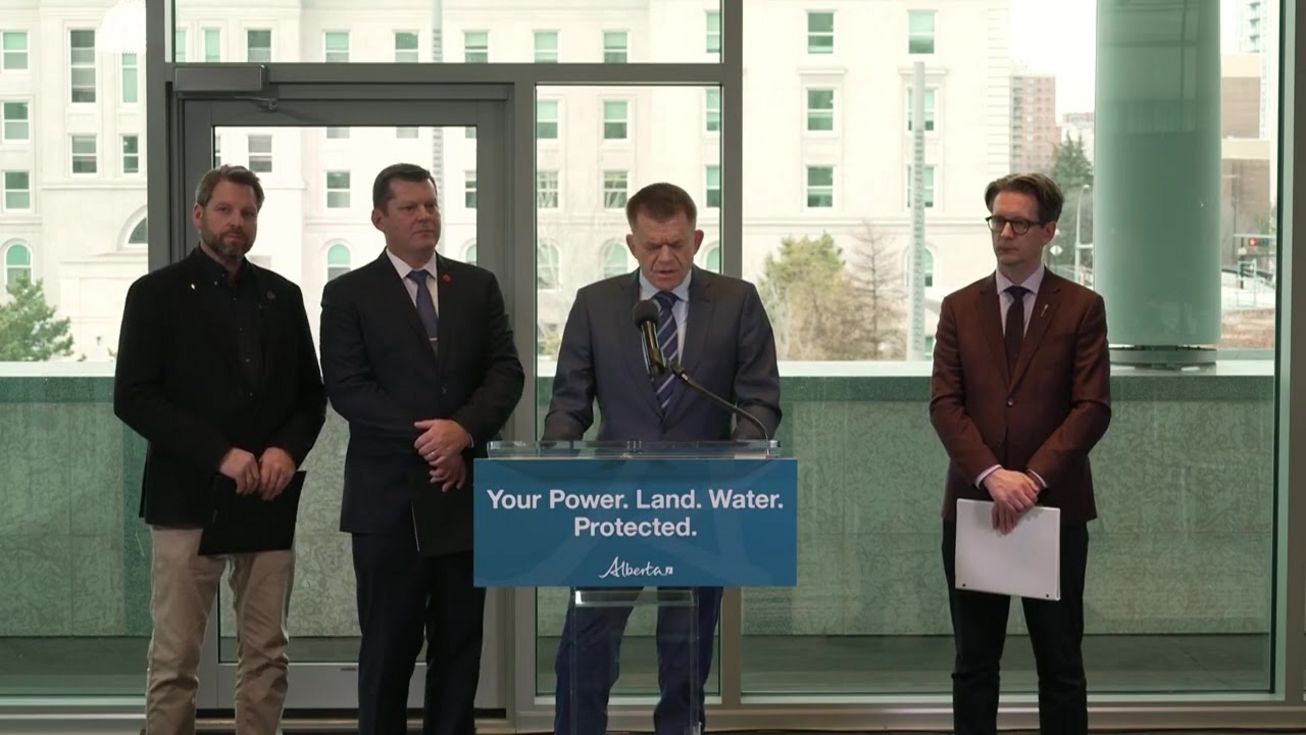
The government of Alberta, Canada, has announced new proposed legislation aimed at regulating the development of large-scale data centers. The move, revealed on November 18th, seeks to implement stricter guidelines concerning the proximity of these facilities to residential areas and the protection of agricultural land.
Key Regulatory Changes Proposed
Under the proposed new bill, data centers with a capacity of 10MW or more will be required to maintain a minimum distance of 600 meters from the nearest residential housing. Furthermore, these significant computing facilities will be prohibited from being constructed on prime farmland or irrigated land, underscoring a commitment to preserving the province’s agricultural resources.
Beyond existing noise restrictions, Alberta is set to introduce further environmental mandates for data centers. The legislation plans to require these facilities to achieve near-zero external cooling water usage. Additionally, there will be a mandatory requirement to recycle and reuse excess heat generated by their operations. This focus on water conservation and heat management reflects a growing awareness of the environmental impact of data center infrastructure.
Increased Penalties and Cost Responsibility
In a bid to enforce these new environmental standards, the province intends to significantly increase the maximum fines for companies, including data center operators, that cause severe environmental pollution. The proposed maximum penalty is set at 6 million Canadian dollars (approximately 27.985 million Chinese Yuan, based on current exchange rates). This substantial increase signals a serious commitment from the Alberta government to hold corporations accountable for their environmental footprint.
Moreover, the new legislation introduces a framework to ensure that data center project developers bear the full cost of their electricity infrastructure development. This means that these costs cannot be passed on to other electricity users. This measure is designed to further safeguard the affordability and reliability of power supply for all Albertans, preventing data center expansion from unduly burdening the existing grid or its consumers.
Broader Implications
These proposed regulations signal a proactive approach by the Alberta government to balance the rapid growth of the technology sector with crucial environmental and community concerns. By setting clear boundaries for data center development, the province aims to foster sustainable growth, protect its valuable agricultural land, and ensure that the expansion of digital infrastructure does not come at the expense of its residents or natural resources.
The legislation is expected to undergo further review and debate as it moves through the legislative process. If enacted, these rules could set a precedent for other jurisdictions grappling with the environmental and social impacts of burgeoning data center demands.