The Shenzhou-23 crew has successfully completed the fifth month of their stay aboard the Chinese Space Station, marked by the return of experimental samples that spent five months exposed to the harsh conditions outside the orbiting laboratory. This significant milestone was announced via the official Weibo account of the China Manned Space Engineering Office.
Cosmic Experiments Underway
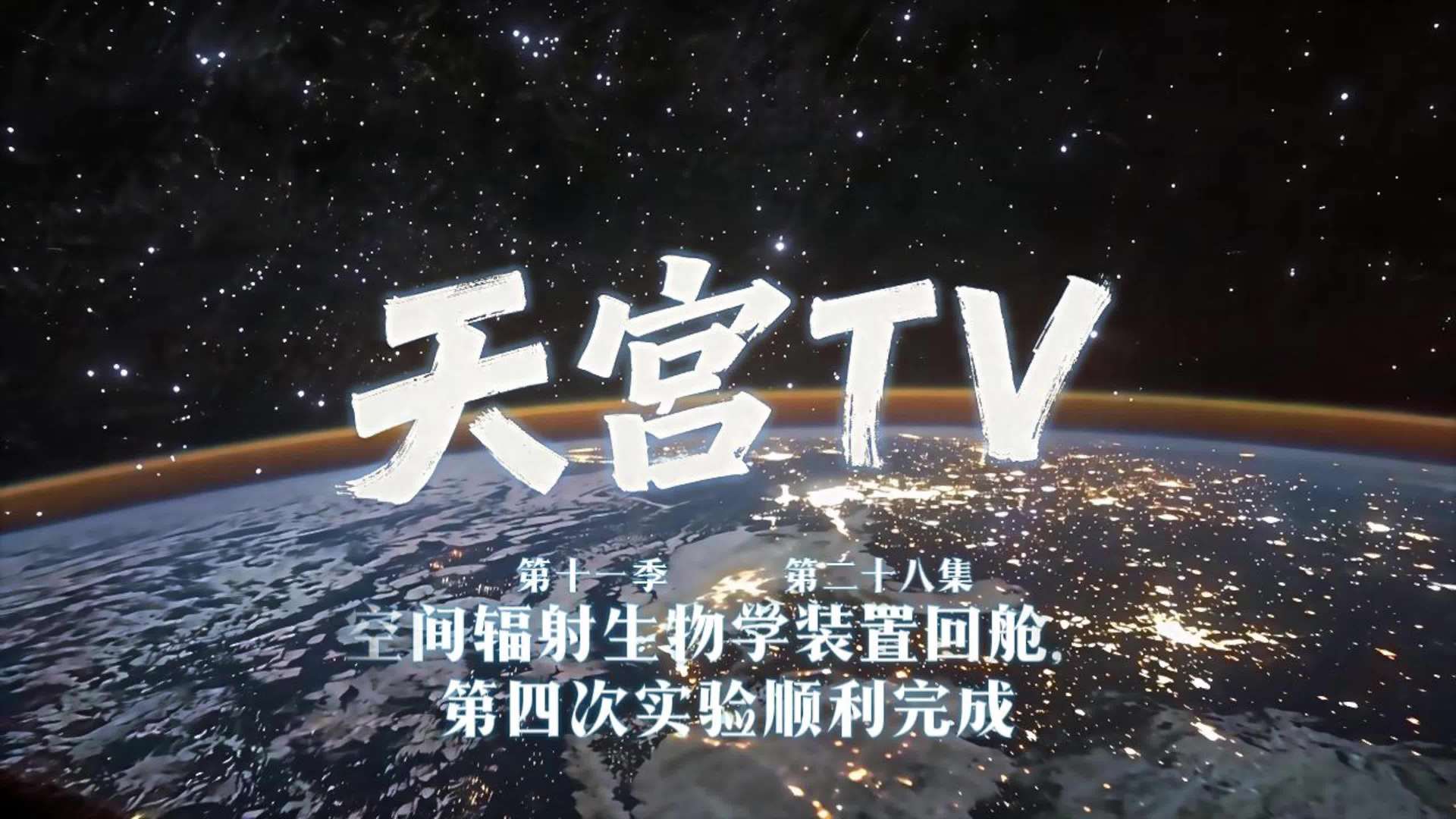
The fourth exposure experiment conducted by the Space Radiation Biology Device has progressed smoothly. Samples including nanozymes, actinomycetes, and plant seeds have been safely brought back into the station after their extended five-month period in the external environment. The Shenzhou-23 astronauts meticulously handled the retrieval, unpacking, and storage of these precious samples, along with the necessary disposal of the experimental apparatus.
Upon their return to Earth, these samples will be subjected to further in-depth analysis to understand the profound effects of space radiation on biological organisms. This research is a crucial component of China’s advancements in space life sciences and human physiological studies.
Monitoring Astronaut Health and Performance
In addition to the biological experiments, the crew has been actively involved in various health and performance monitoring activities. Last week, they focused on researching the biomechanics of bone and muscle under stress. Using plantar pressure collection equipment, they measured foot sole pressure during a typical workday, gathering vital data to understand the characteristics of bone and muscle loading under different in-orbit conditions.
The astronauts also undertook the critical task of collecting, labeling, and storing nasal swabs and environmental surface microbial swabs. These samples are slated for research into the complex interactions between viruses and immune metabolism. Furthermore, to assess and monitor the astronauts’ cognitive functions, they completed evaluations of emergency decision-making capabilities and in-orbit emotional states using onboard computers and specialized software. The data collected will provide ground-based teams with insights into the patterns of change in astronauts’ emergency decision-making skills and emotional well-being during their mission.
Maintaining Station Operations and Environment
Operational efficiency aboard the Tiangong space station remains a top priority. The crew successfully replaced experimental samples within the fluid cabinet and changed filters in the combustion cabinet, ensuring the seamless continuation of physics experiments in microgravity. Environmental monitoring is also ongoing, with tests for total volatile organic compounds and air cleanliness conducted to maintain a habitable living space.
To ensure optimal living conditions, the crew replaced components of the regenerative life support system and the heating device in the space kitchen. Regular cabin cleaning further contributes to sustaining a comfortable and healthy environment for the long-duration mission.
Combating Physiological Challenges of Space
Maintaining the physical health of the astronauts is paramount. The three crew members are diligently adhering to their exercise regimens and utilizing specialized equipment designed to counteract the physiological effects of microgravity. Devices such as the bone loss countermeasures are employed to actively combat the negative impacts of weightlessness, ensuring the crew remains in excellent physical condition throughout their extended mission.
This comprehensive approach to space exploration, encompassing scientific research, operational maintenance, and astronaut well-being, underscores China’s commitment to advancing its capabilities in human spaceflight.