After an unprecedented 378 days of isolation in a simulated Martian environment, the Crew Health and Performance Exploration Analog (CHAPEA) Mission 2 crew has successfully concluded their groundbreaking experiment. The crew’s departure from their habitat at NASA’s Johnson Space Center in Houston marks a significant milestone, providing invaluable data that will help shape strategies for mitigating the risks of human spaceflight on upcoming Artemis missions to the Moon and beyond to Mars.
Lessons Learned from a ‘Mars’ Experience
The CHAPEA Mission 2 crew’s extended stay was designed to mimic the challenges astronauts might face on a long-duration mission to Mars. This included living in a confined habitat, performing simulated spacewalks, and dealing with the psychological and physiological stresses of being far from Earth. The data collected on their health and performance during this period is crucial for NASA’s ongoing efforts to understand and counteract the potential negative impacts of deep space travel on the human body and mind. This includes areas such as bone density loss, muscle atrophy, radiation exposure, and the psychological effects of prolonged isolation.
A Boot Print for Future Exploration
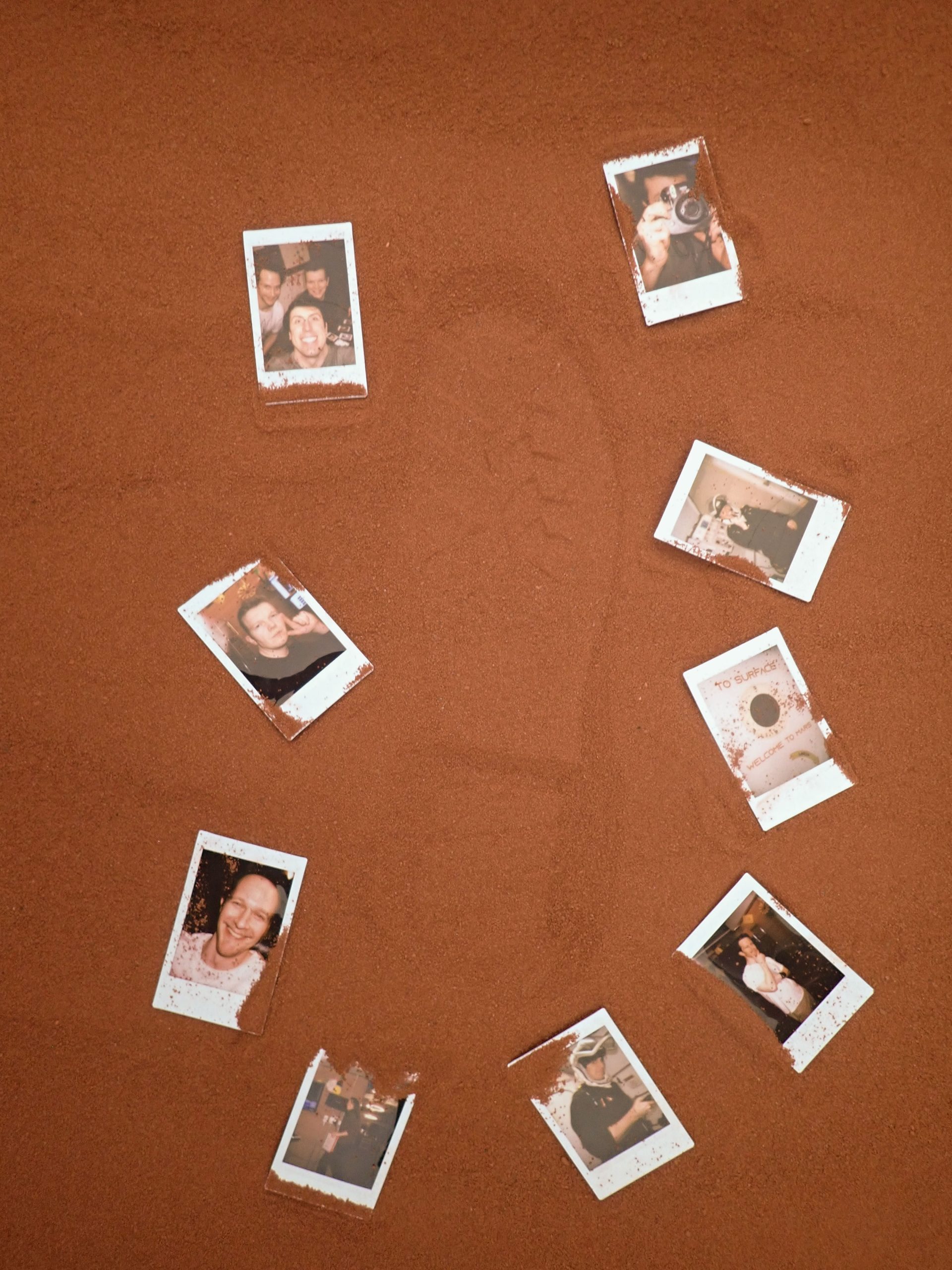
As a symbolic end to their immersive experience, the CHAPEA crew arranged photos around a boot print they made in the simulated Martian sand just outside their habitat. This image serves as a powerful reminder of humanity’s ongoing drive to explore the cosmos. The insights gained from this analog mission will directly inform the design of spacecraft, life support systems, and operational procedures for future crewed missions. By studying how humans cope with these extreme conditions on Earth, NASA can better prepare astronauts for the realities of living and working on other worlds.
Source: NASA