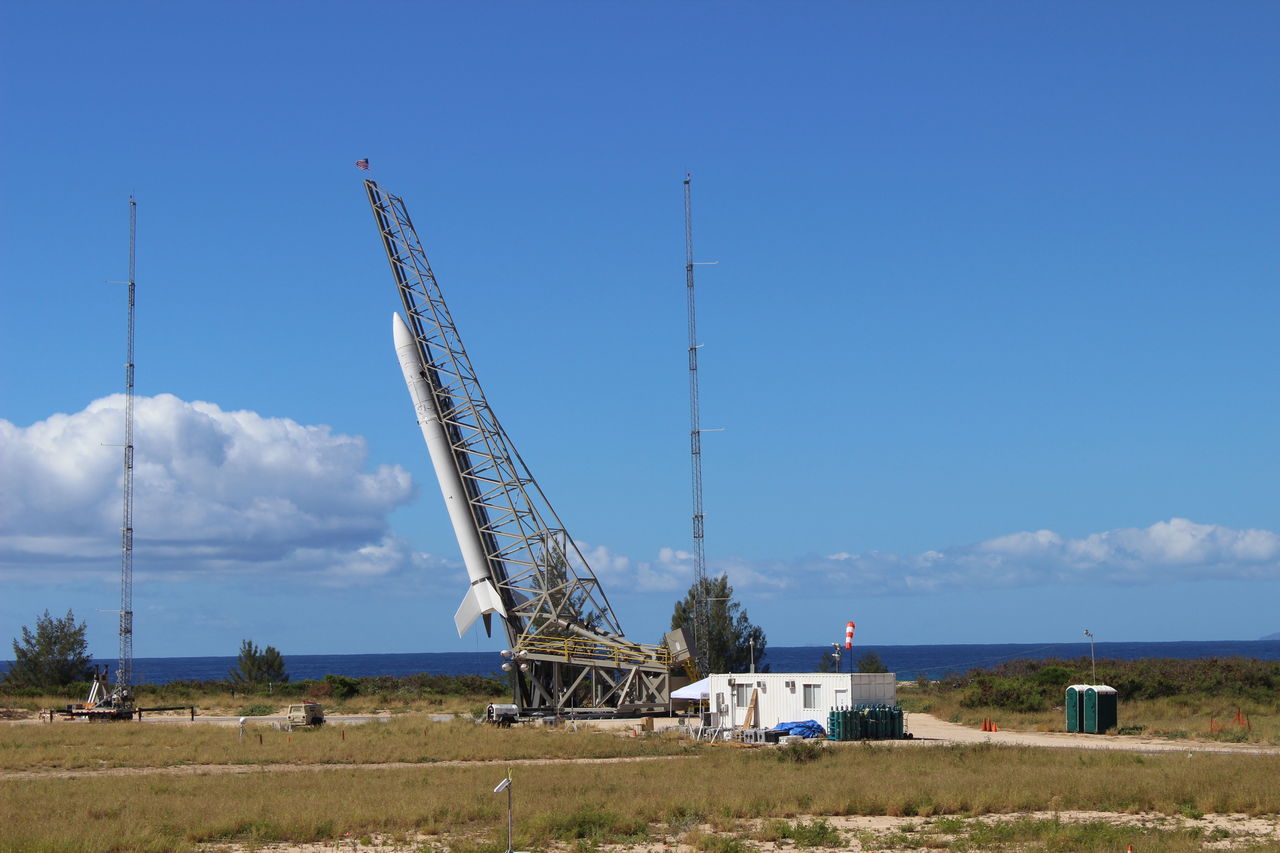
A highly anticipated launch of the experimental Super Strypi rocket, intended to carry 13 small satellites into orbit, ended in failure on November 4, 2015. The rocket, on its maiden flight from the Pacific Missile Range Facility near Hawaii, lost control shortly after liftoff, resulting in the destruction of all its payloads.
Reasons for the Accident and Lost Satellites
The Super Strypi rocket’s mission was to deploy 13 miniature CubeSats. The launch occurred around 9:45 PM local time on November 3, 2015. While the rocket successfully lifted off from its rail, it quickly became uncontrollable. The most probable cause for the accident is believed to be a malfunction in the first-stage engine.
The failure resulted in the loss of all 13 satellites. Among the lost payloads was ORS-4 (HiakaSat), a key satellite designed for Earth data collection and environmental monitoring. The remaining 12 satellites included eight NASA CubeSats for the Edison Demonstration of Smallsat Networks project and four satellites from various universities.
Consequences for the Super Strypi Program and Future Outlook
The Super Strypi program, envisioned as a modernized version of a 1960s-era rocket for rapid and cost-effective launches of small payloads (up to 300 kg for $15 million), was unable to recover from this significant setback. Following its disastrous debut, the U.S. military did not pursue further launches with this rocket.
Instead, the U.S. Space Force has shifted its strategy to relying on commercial operators for urgent launch needs. This was exemplified by a recent mission, Victus Haze from Rocket Lab, which was organized and launched in just 17 hours.