In a significant leap for medical technology, five leading organizations have joined forces to develop a groundbreaking low-power AI inference chip based on advanced 2nm process technology. The collaboration, announced on October 20th, involves the LSTC (Japan’s Leading-edge Semiconductor Technology Center), Hokkaido University, Fujifilm, GE Healthcare, and imec.
Pioneering AI in Medical Imaging
This ambitious project is undertaken at the request of Japan’s NEDO (New Energy and Industrial Technology Development Organization). The core objective is to create an AI inference chip optimized for medical imaging applications, leveraging the cutting-edge 2nm semiconductor manufacturing process. This initiative aims to significantly enhance the capabilities and efficiency of diagnostic and surgical procedures through real-time AI analysis.
Key Application Scenarios
The newly developed chip is envisioned to support several critical medical functions:
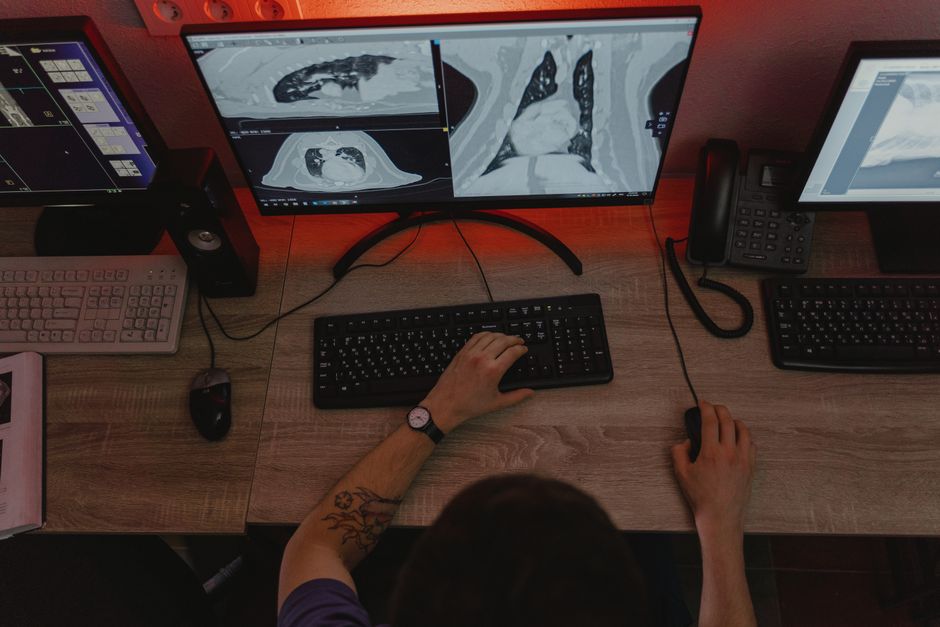
- Real-time Image Diagnosis Support: Enabling high-speed reconstruction and decomposition of the massive data generated by photon-counting CT scanners, leading to faster and more accurate diagnoses.
- Real-time Treatment Support: Facilitating the real-time overlay of ultrasound images with CT or MRI scans, providing clinicians with integrated visual information for better treatment planning and execution.
- Real-time Surgical Support: Analyzing intraoperative microscope imagery in real-time to identify surgical instruments, anatomical structures, and bleeding, thereby assisting surgeons during procedures.
Development Roadmap and Performance Goals
The consortium plans to initially conduct development and optimization work using IBM’s Spyre accelerator. This phased approach will allow for rigorous testing and refinement before migrating the technology to actual silicon. The project has set ambitious performance targets:
- Achieving image processing speeds more than five times faster than current GPUs.
- Exceeding current GPU energy efficiency by more than ten times.
Upon successful development, the technology is slated for clinical application trials at Hokkaido University Hospital. This collaborative effort underscores a shared commitment to advancing healthcare through the convergence of semiconductor technology, artificial intelligence, and medical imaging.