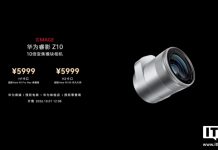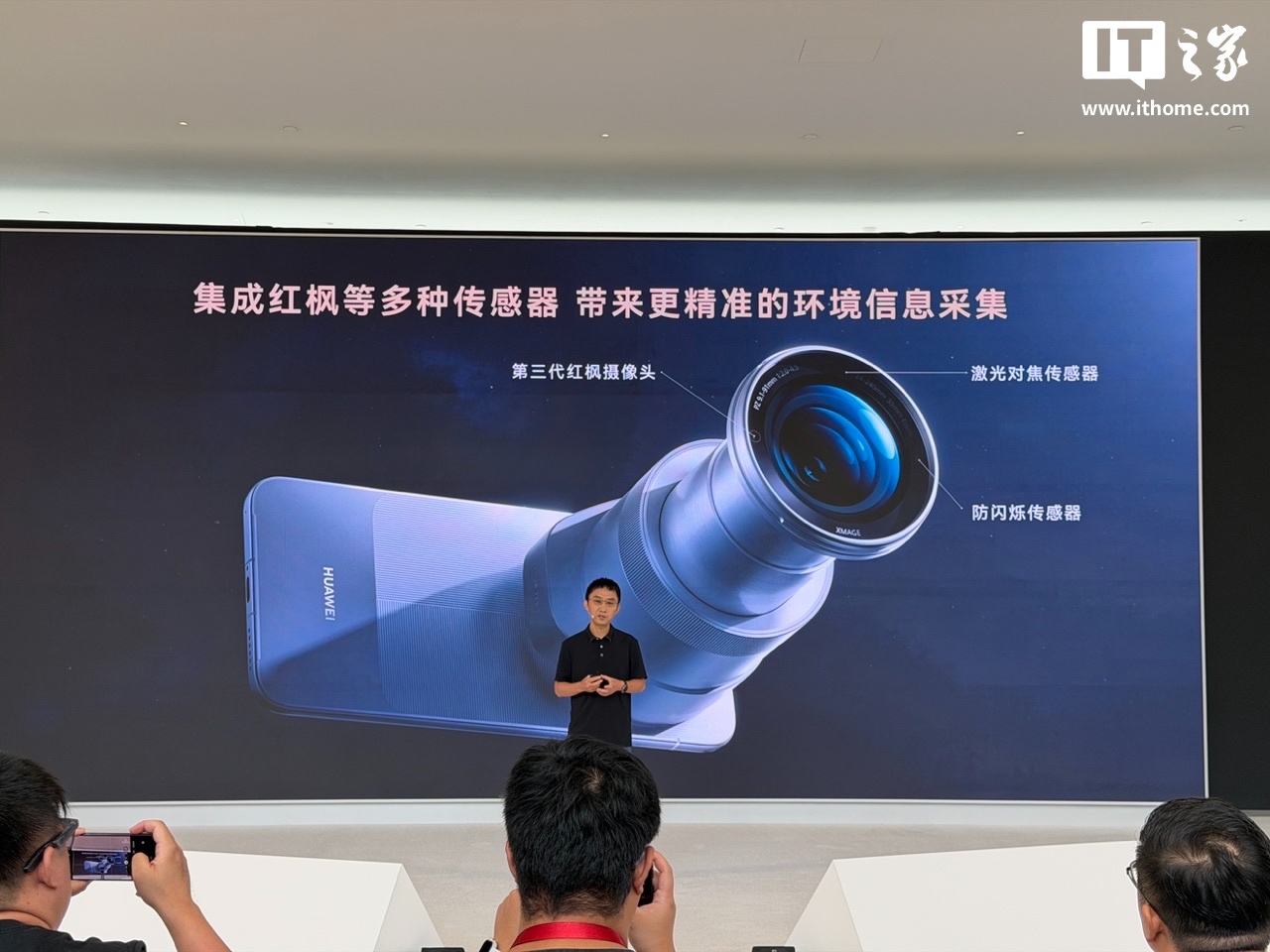
At the recent Huawei Terminal Innovation Technology Communication Conference, Li Xiaolong, CTO of Huawei Terminal BG and head of its hardware engineering and product development, unveiled more technical details about the Z10 module camera. A key highlight was the explanation of the HyperClick Super Mount, designed for enhanced compatibility and future adaptability.
HyperClick: A Modular Approach to Camera Mounts
Li Xiaolong elaborated on the HyperClick Super Mount’s innovative design. He explained that the mount utilizes a mortise and tenon structure, a traditional joinery technique known for its strength and precision. This design not only ensures compatibility across various mobile devices but also supports a screw-less, quick-release feature, allowing for effortless attachment and detachment of the Z10 camera module.
Crucially, the HyperClick Super Mount employs an independent mount adapter design. This strategic choice means the mount itself is distinct from the camera module and the device it attaches to, enabling it to be adapted for a wider range of future Huawei models. This modular and adaptable approach underscores Huawei’s commitment to longevity and user flexibility in its imaging technology.
Current Implementations and Future Potential
Currently, the Huawei Z10 module camera is available with two specific mount types: H1 and H2. These are designed to be compatible with the Mate 90 Pro Max Collector’s Edition and the Mate 90 RS Master respectively. These initial implementations demonstrate the practical application of the Z10 module camera and its integrated mounting system on flagship devices.
The independent adapter design of the HyperClick Super Mount is a significant step forward. It suggests that Huawei is building a platform rather than a single-use accessory. This approach could allow users to upgrade their devices without needing to replace their entire camera module setup, provided future devices maintain compatibility with the HyperClick system. This forward-thinking strategy aligns with trends towards modularity and sustainability in consumer electronics.
The Significance of the Z10 Module Camera
The Z10 module camera itself represents Huawei’s ongoing efforts to push the boundaries of mobile photography. By offering a dedicated, attachable camera module, Huawei provides users with enhanced photographic capabilities that might exceed the limitations of integrated smartphone cameras. This could include specialized sensors, advanced optics, or unique form factors tailored for specific photographic needs.
The emphasis on the HyperClick Super Mount indicates that Huawei views the modular camera system as a core part of its future strategy. The ability to easily swap and adapt camera modules across different devices is a compelling proposition for photography enthusiasts and power users who demand more from their mobile imaging solutions. The company’s focus on a universal mounting standard, facilitated by the independent adapter design, is likely to be a key differentiator in the competitive smartphone market.
While the current Mate 90 series devices are the first to feature this technology, the implications extend far beyond these models. The HyperClick Super Mount, with its adaptable nature, positions Huawei to potentially integrate this modular camera system into a broader range of its product ecosystem in the future. This could even extend to tablets or other devices where enhanced camera performance is desired.
The technical details shared by Li Xiaolong highlight a thoughtful engineering approach. The combination of a robust structural design like the mortise and tenon, user-friendly features like screw-less release, and a future-proof, adaptable interface like the HyperClick Super Mount demonstrates Huawei’s dedication to innovation in the mobile hardware space. As the technology matures, users can anticipate more versatile and powerful modular camera experiences integrated seamlessly into their Huawei devices.