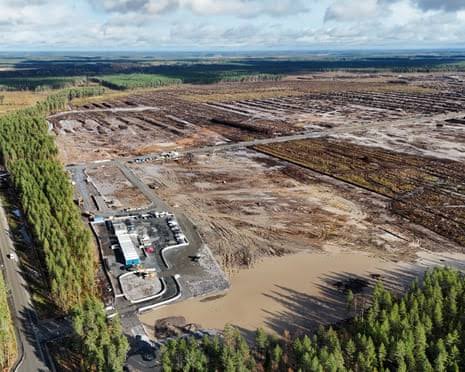
Google’s ambitious expansion plans in Finland have hit a significant roadblock, with authorities ordering a halt to construction at two major data center projects. The Finnish Supervisory Authority for Welfare and Health (Valvira), also known as LVV, has issued a notice to Google’s subsidiary, Tuike Finland Oy, instructing them to cease all construction activities at the planned data center sites in Muonio and Kajaani. This order comes as the company is required to complete an environmental impact assessment before proceeding.
Environmental Assessment Becomes a Hurdle
The directive from LVV means Google must halt crucial groundwork, including tree felling, topsoil removal, and excavation. This development comes shortly after Google pledged a substantial investment of $15 billion (approximately 100.68 billion yuan) into building AI infrastructure in Finland just last month. The unexpected pause raises questions about the timeline and future of this significant investment.
In response to the halt order, a Google spokesperson acknowledged the concerns raised by the authorities. “We understand the authorities’ concerns and recognize that the project has not met our own high standards,” the spokesperson stated. The company emphasized that it had been working in compliance with the local Forest Act and had conducted environmental surveys. “We will continue to work long-term in the relevant areas to ensure the land can maintain biodiversity, and we plan to plant trees covering 130 hectares in Muonio,” the spokesperson added, indicating a commitment to environmental stewardship moving forward.
Finland: A Data Center Hotspot
Despite this setback, Finland continues to be a prime location for major tech companies looking to establish new data centers. The country’s abundant land resources and stable electricity supply are significant draws, especially as many other parts of Europe grapple with power shortages. The ongoing artificial intelligence boom has further fueled the demand for robust data infrastructure, making countries like Finland attractive for large-scale investments.
The situation highlights the growing importance of environmental considerations in large-scale technology infrastructure projects. As companies like Google invest heavily in AI and the digital future, they face increasing scrutiny over their environmental footprint. The pause in Finland serves as a reminder that even the biggest players must navigate complex regulatory landscapes and environmental assessments to realize their expansion goals.
It remains to be seen how quickly Google can address the environmental impact assessment requirements and resume construction. The company’s commitment to planting trees and maintaining biodiversity suggests an effort to mitigate concerns and move forward responsibly. The outcome of this assessment will be closely watched by the tech industry and environmental advocates alike.