OpenAI has released a new guide designed to help users harness the full potential of its latest GPT-6 family of AI models. The comprehensive manual offers insights into selecting the most appropriate model for specific tasks, optimizing prompt engineering, and effectively managing complex operations to control both time and costs associated with AI usage.
Smart Model Selection is Key
OpenAI emphasizes that opting for the most powerful model isn’t always the optimal strategy. The choice of GPT-6 model should be dictated by the nature of the task at hand:
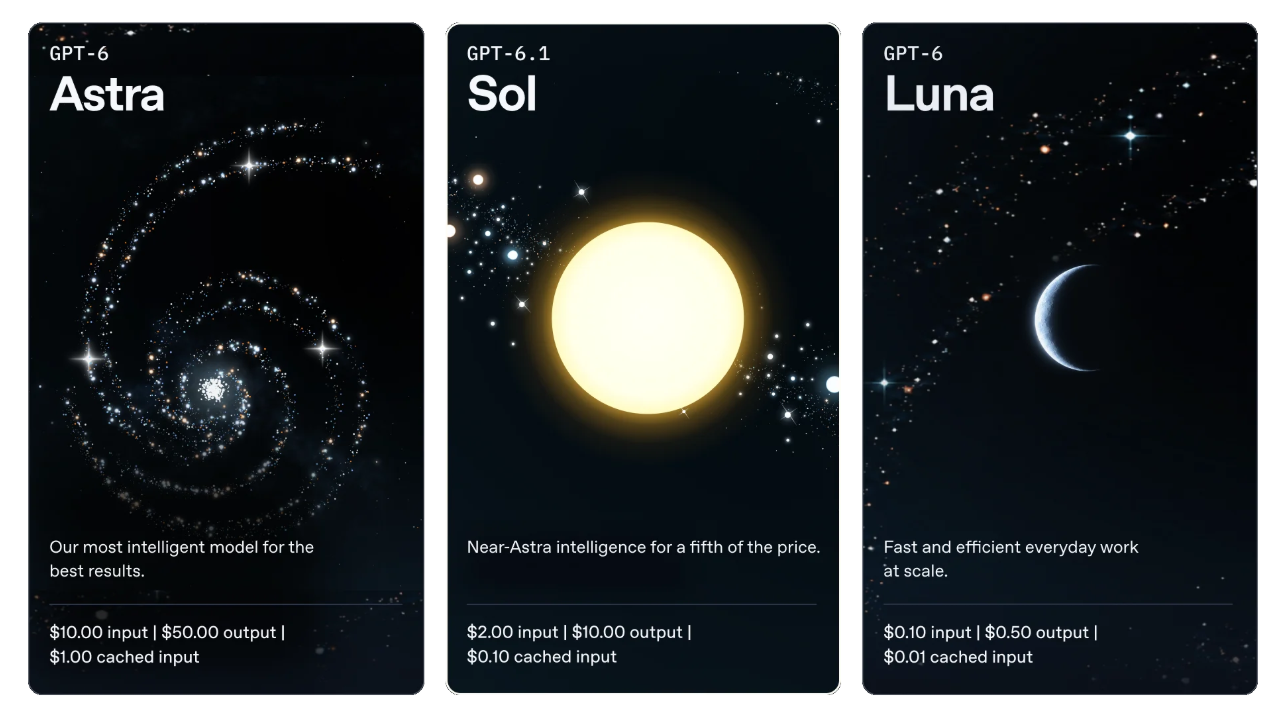
- GPT-6 Astra: This model is best suited for highly complex tasks that demand the utmost level of intelligence and in-depth analytical capabilities.
- GPT-6.1 Sol: An ideal choice for intricate programming projects, advanced research endeavors, and tasks involving extensive computer interaction.
- GPT-6 Luna: Designed for processing large datasets within specialized applications and for performing routine, targeted operations. This includes extracting data from documents, classifying queries, or generating structured summaries.
By utilizing less resource-intensive models for simpler tasks, users can not only accelerate processing times but also significantly reduce operational expenses.
Prompt Optimization: Clarity Over Verbosity
OpenAI advises a shift away from lengthy, overly detailed instructions in favor of clear, concise statements of intent. Instead of meticulously outlining each step, the guide recommends focusing on:
- Defining the Objective: Clearly state the desired end result.
- Identifying the Audience: Specify the intended recipient or user of the output.
- Establishing Constraints: Outline any crucial limitations or non-negotiable requirements.
It is also important to delineate which decisions the AI model can make autonomously and when user approval is required. A clear definition of the goal, audience, context, limitations, and completion criteria will substantially improve the quality of the AI’s responses.
Controlling Computational Power
For everyday tasks, such as basic question-and-answer scenarios, maximum computational power is often unnecessary. OpenAI recommends reserving its use for situations where it is truly essential, such as complex analysis, code debugging, or in-depth research, thereby conserving resources and reducing costs.
This new guide from OpenAI aims to empower developers and users to derive maximum value from the powerful GPT-6 models, making their application more efficient, economical, and aligned with specific objectives.