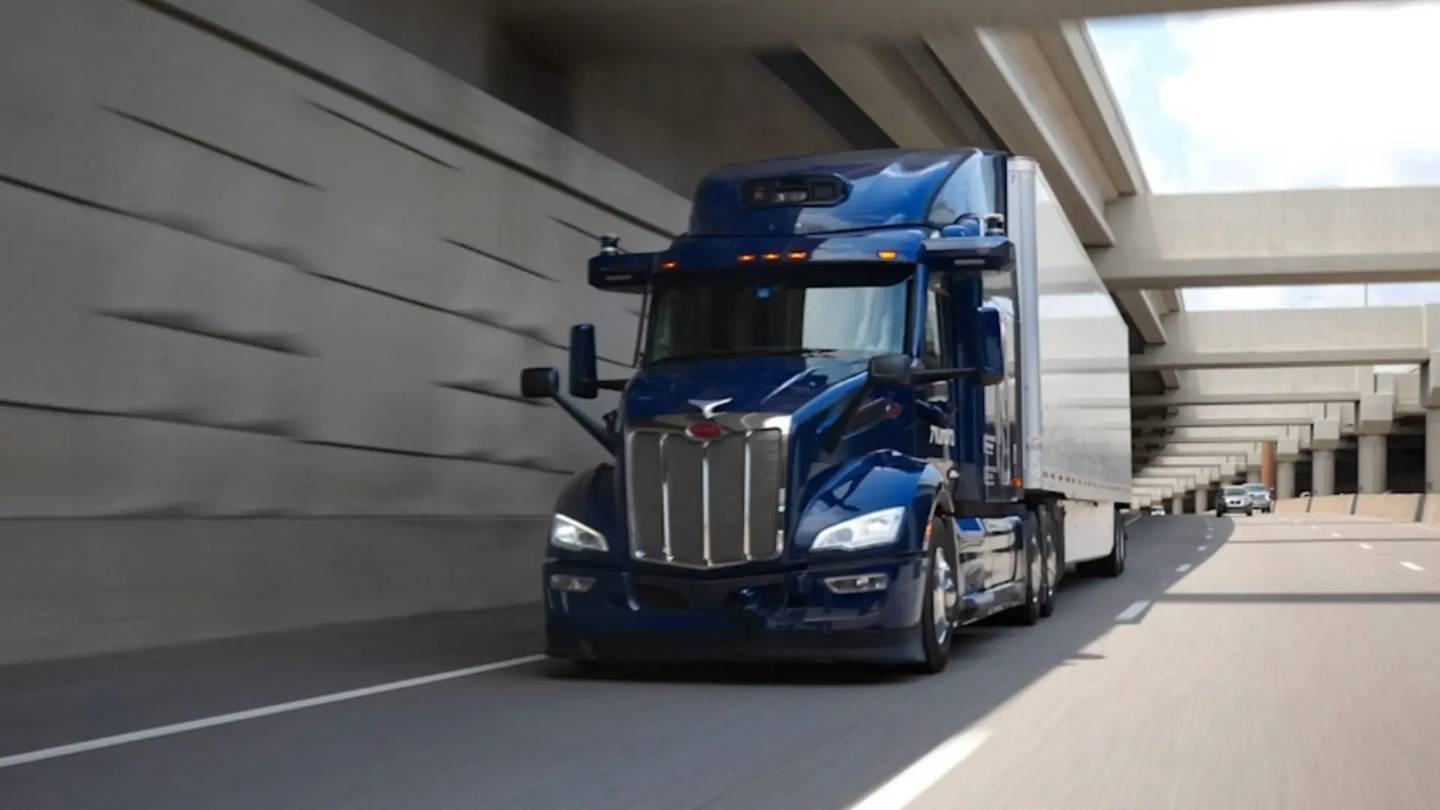
The widespread adoption of automated driving technology for long-haul trucking could revolutionize the transportation industry, significantly reducing costs and dramatically improving safety. Xu Jian, Vice President of the Highway Research Institute of the Ministry of Transport, shared these insights during the 2026 China Automotive Industry Development (TEDA) International Forum.
A New Era for Freight Transport
Xu Jian highlighted that automated driving offers a novel solution to persistent challenges in traditional long-haul freight transport. Industry research suggests that implementing automated driving on a large scale for trunk routes could decrease overall transportation costs by over 20%. Crucially, it has the potential to eliminate the vast majority of human operational errors, leading to a projected reduction in accident rates by more than 90%.
Furthermore, this technology is expected to provide a vital boost to operational capacity, especially in demanding scenarios like long-distance nighttime driving on trunk routes.
The Technological Roadmap
The proposed development model for automated driving on trunk routes integrates several key technologies: a combination of new energy electric heavy-duty trucks, automated platooning, and a fusion of multiple energy forms. The development path is envisioned to proceed in distinct stages: first, proving the technology on dedicated demonstration routes, then validating the operational model on specialized roads, and finally achieving safe and stable operation on open roads. This phased approach will be accompanied by the simultaneous refinement of relevant standards.
Xu Jian anticipates that by 2030, the goal is to achieve scaled application of automated driving for ‘door-to-door’ highway freight transport on main routes. Heavy-duty trucks will operate on main trunk lines using a ‘point-to-point fixed route direct delivery’ model. This will facilitate highly efficient cross-regional transportation through methods like container dropping or trailer swapping.
Addressing Current Challenges
While acknowledging the significant progress made, Xu Jian also identified five key areas that currently pose challenges to the widespread implementation of automated trucking:
- Core Technology Hurdles: The accuracy of all-weather perception in intelligent road networks remains a significant challenge.
- Information Silos: There are substantial information gaps between vehicles and road infrastructure, with the development of intelligent driving support facilities lagging behind.
- Incomplete Ecosystem: The supporting ecosystem for intelligent highways has not yet been fully established.
- Data Integration: Progress in data interoperability and integration still needs to be advanced.
- Commercial Viability: The commercial operational loop has not yet been successfully closed.
Overcoming these obstacles will be crucial for unlocking the full potential of automated driving in the freight sector, paving the way for safer, more efficient, and cost-effective logistics.