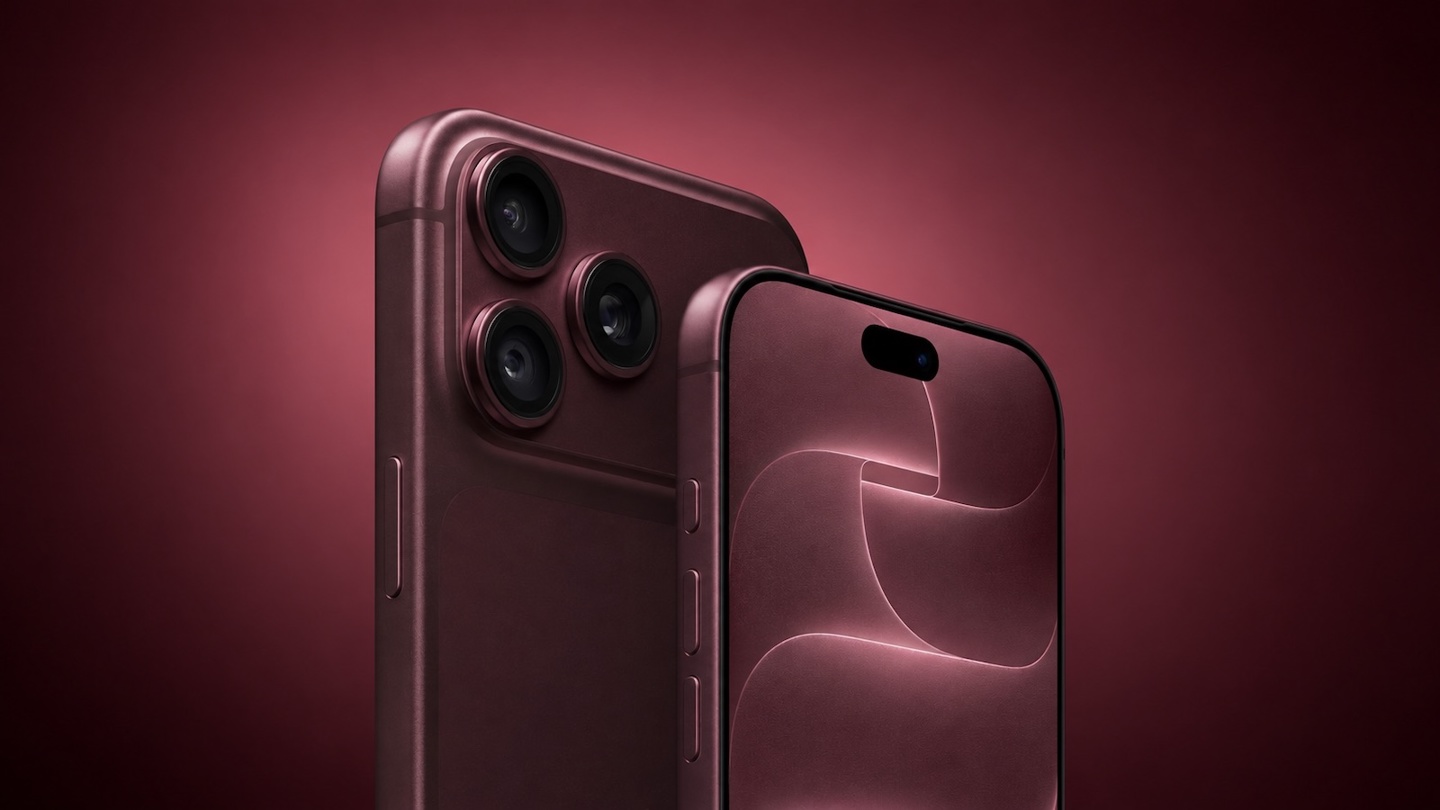
Reports suggest Apple has agreed to Samsung’s proposed price increases for memory components, potentially leading to higher costs for future iPhones and other products.
Memory Price Hikes on the Horizon?
Apple seems poised to absorb increased costs for crucial memory and flash storage components, as reports indicate an agreement with Samsung Electronics on new pricing. This development could pave the way for price hikes on Apple’s popular iPhone lineup and other devices in the near future.
Details of the New Agreement
According to sources cited by GSMArena, Apple has reportedly agreed to a new pricing structure with Samsung for DRAM and NAND flash memory. Starting from the first quarter of 2027, Apple is expected to procure LPDDR5X memory at $2 per 1Gb (approximately ¥13.4 CNY) and NAND flash memory at $0.33 per 1Gb (approximately ¥2.2 CNY).
This represents a significant increase compared to Samsung’s previously offered prices for 2026. For 2026, Samsung was reportedly set to supply LPDDR5X memory at $1.5 per 1Gb (approximately ¥10.1 CNY) and NAND flash memory at $0.26 per 1Gb (approximately ¥1.7 CNY).
Broader Market Impact
While Apple appears to have accepted these new terms, other major smartphone manufacturers are reportedly pushing back. Companies like OPPO and vivo are said to have rejected Samsung’s proposed price increases for memory components, indicating a potential divide in how the industry will absorb these rising costs.
Past Price Adjustments
This news follows a trend of price adjustments for Apple’s devices. While the article doesn’t explicitly state the current release of the iPhone 18 Pro series and its price increase, it mentions that the previous year’s iPhone 17 saw a price jump of 800 Yuan RMB. Additionally, the iPhone Air experienced price increases ranging from 800 to 2300 Yuan RMB.
Future Implications
The agreement between Apple and Samsung, if finalized as reported, could have a ripple effect across the consumer electronics market. Increased component costs often translate to higher retail prices for end-users. As such, consumers may need to prepare for potentially more expensive iPhones and other Apple products in the years to come. The stance of other manufacturers like OPPO and vivo will be closely watched to see if they can successfully negotiate better terms or if they will also eventually face similar cost pressures.