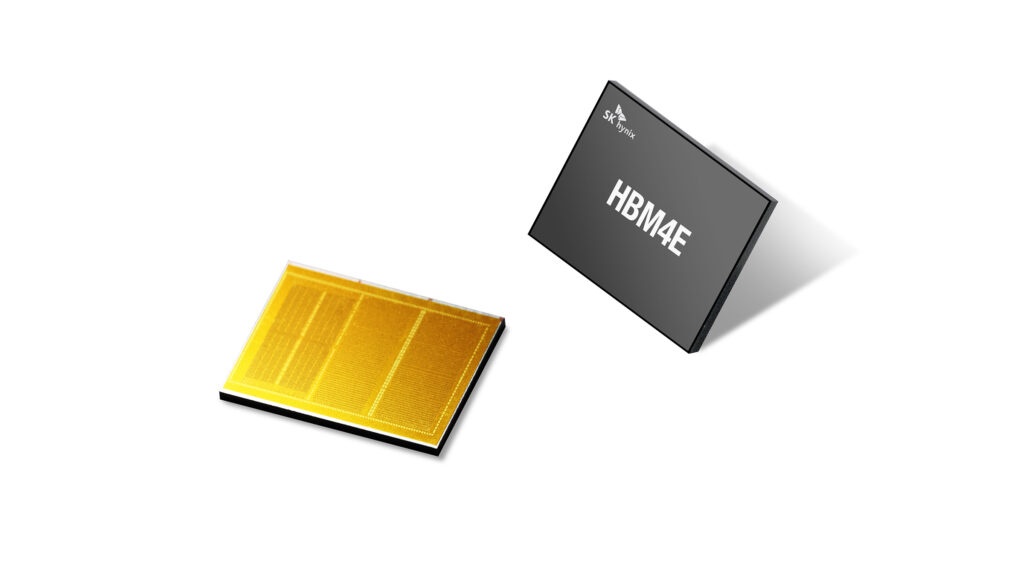
SK Hynix is set to see its 1c nm, the 6th generation of its 10nm-class DRAM process, become its leading memory manufacturing technology by early 2027. This advancement is projected to overtake the current 1b nm process, according to a report by Korean media outlet ChosunBiz.
Accelerated Adoption of 1c nm
The transition to 1c nm is expected to be rapid. From the first quarter of 2026 (2026Q1) to the first quarter of 2027 (2027Q1), SK Hynix’s total DRAM capacity allocated to 1c nm is forecasted to grow sequentially: 10% in 2026Q1, 13% in 2026Q2, 24% in 2026Q3, 34% in 2026Q4, and finally 35% in 2027Q1. By early 2027, the 1c nm process is anticipated to account for 35% of the company’s total DRAM capacity, while the 1b nm process will represent 33%, marking a significant shift in manufacturing focus.
Industry Landscape
This strategic ramp-up by SK Hynix positions it ahead in the competitive advanced DRAM manufacturing space. Industry estimates suggest that by the end of the second quarter of 2026 (2026Q2), Samsung Electronics and Micron will have their respective 6th generation 10nm-class DRAM capacities at 16% and 19%. This indicates SK Hynix’s aggressive timeline for adopting its next-generation process technology.
Implications for HBM Development
The development and scaling of 1c nm DRAM are particularly crucial for the evolution of High Bandwidth Memory (HBM). While SK Hynix’s current HBM4 solutions utilize the 1b nm DRAM die, the upcoming HBM4E standard will incorporate the more advanced 1c nm DRAM die. Ensuring ample 1c nm production capacity well in advance is vital for a smooth transition as the HBM market moves from HBM4 to HBM4E. This preemptive capacity build-up will be key to meeting the burgeoning demand for higher performance and more efficient memory solutions in AI and high-performance computing applications.
The company’s focus on accelerating the 1c nm process not only signals a technological leap but also a strategic move to solidify its leadership in the high-stakes HBM market, especially as demand for AI-accelerated workloads continues to surge.