Tesla’s upcoming Cybertruck-inspired, two-seater autonomous vehicle, the Cybercab, will exclusively support DC fast charging and will not feature onboard AC charging capabilities. This design choice prioritizes cost reduction and enhanced durability for commercial fleet operations, a key focus for the Cybercab.
No Onboard Charger, Big Savings for Fleets
The elimination of the onboard charger (OBC), the component responsible for converting AC power to DC power, is a significant departure from traditional electric vehicles. For the Cybercab, this means it won’t be compatible with standard Level 2 home charging stations. Instead, it relies solely on DC fast charging infrastructure.
Kyle Conner of Out of Spec Reviews shared this insight after experiencing the Cybercab in Austin, noting on X (formerly Twitter) that the vehicle omits the OBC to cut costs and improve reliability. While this might be an inconvenience for potential consumer models, it’s a strategic move for a vehicle designed for high-utilization commercial fleets.
An OBC adds weight, complexity, and cooling requirements to a vehicle, all of which contribute to higher manufacturing costs. For commercial vehicles that need to maximize uptime and minimize downtime, the slow trickle charge of a Level 2 charger over several hours is less efficient than rapid charging.
Infrastructure Tailored for Commercial Use
Tesla is developing dedicated commercial infrastructure to support its Robotaxi ambitions. This includes large-scale charging and maintenance hubs designed specifically for autonomous fleets. These centers will facilitate rapid turnaround times, ensuring the Cybercabs remain operational for the majority of the time.
While the initial focus is on fleet operators, there’s a potential future where individual consumers might purchase the Cybercab and integrate it into Tesla’s autonomous ride-hailing network. If this happens, Tesla could open its automated fleet service centers to private owners, offering integrated services like fast charging, automated cleaning, and maintenance. This could create a new business model, with Tesla potentially taking a commission on rides hailed through its network.
What DC-Only Charging Means for Consumers
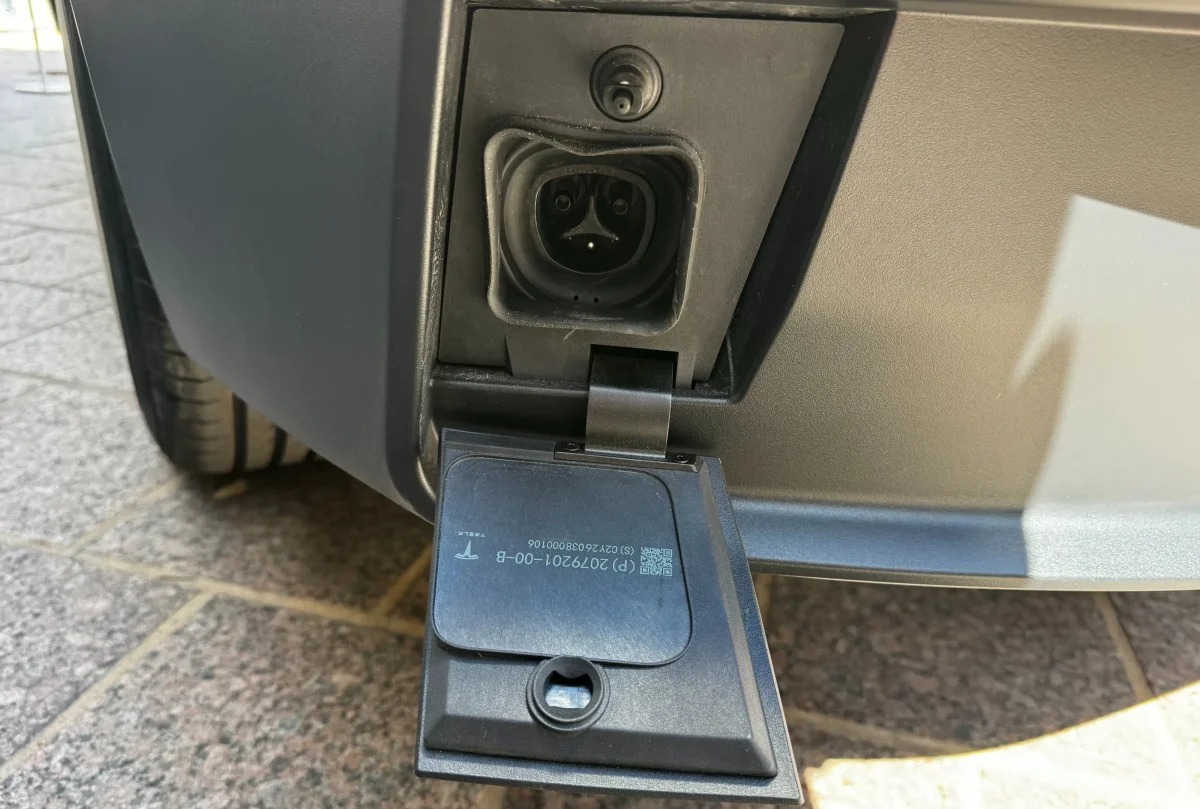
The lack of AC charging raises questions about how individual users would manage daily charging needs if the Cybercab were to become available for personal purchase. Currently, the Cybercab features a concealed NACS charging port for wired DC fast charging.
However, Tesla is also exploring wireless charging technology for its dedicated Robotaxi fleet. The company is developing an inductive charging system designed for efficient wireless power transfer. This could offer a pathway for future consumer models.
If a consumer version of the Cybercab is eventually released, Tesla might offer dedicated home wireless charging pads. In this scenario, the AC-to-DC conversion equipment could be housed in the ground-based wireless charger rather than within the vehicle, allowing the Cybercab to retain its simpler, lower-cost structure.
At present, the Cybercab remains firmly positioned as a commercial fleet vehicle. Details regarding personal purchase timelines, pricing, or home charging solutions were not disclosed during its recent unveiling event in Austin.
Although Elon Musk previously hinted that individuals might be able to purchase the Cybercab by the end of the year, the current hardware configuration suggests it is optimized exclusively for the commercial DC fast charging ecosystem. Any adaptation for consumer use would likely require hardware adjustments or the introduction of specialized external DC charging equipment for home use.