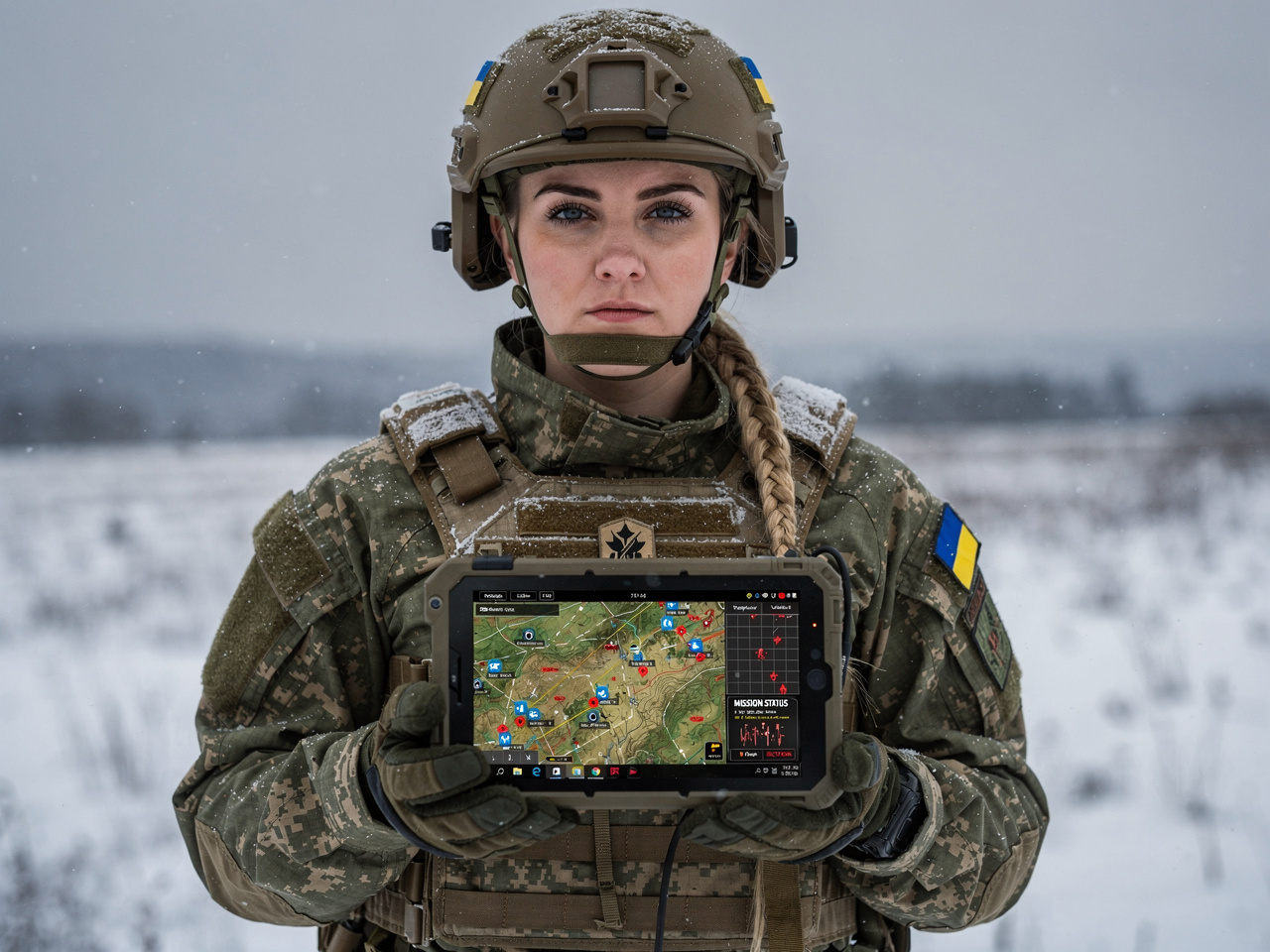
The Ukrainian Government’s decree of March 12, 2026, marks a tectonic shift in the global defense industry. Ukraine is officially converting its unique combat experience into the most valuable currency of the modern age: data for training Artificial Intelligence.
“We are granting partners access to train AI models using real-world battlefield data. This is a global first,” stated Mykhailo Fedorov, Minister of Defence.

The Ministry of Defense AI Platform: How It Works
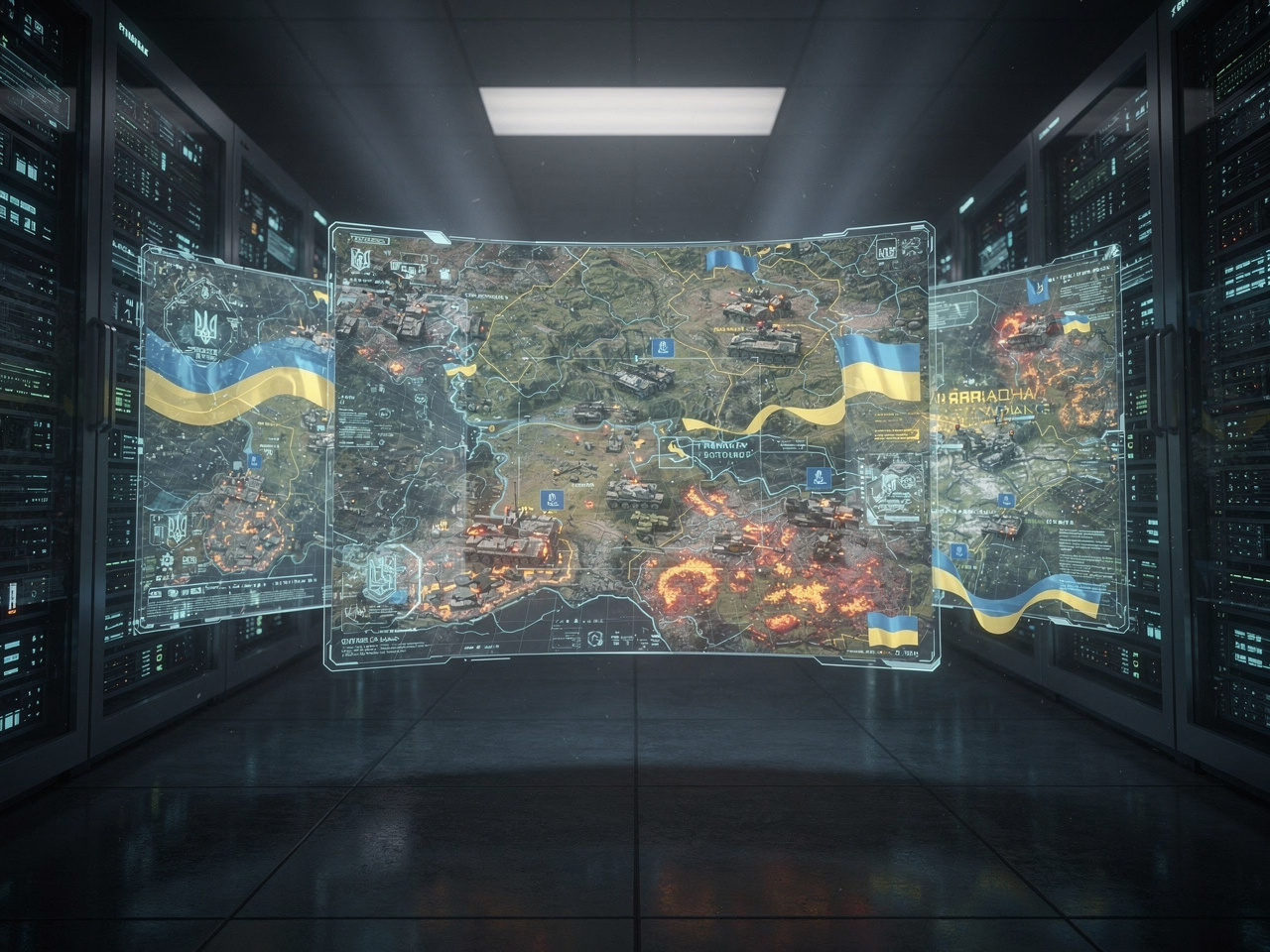
The Innovation Center has developed a secure “sandbox” ecosystem that allows developers to train algorithms without compromising national security:
-
Secure Environment: Partners access the platform’s computing power to train models on annotated datasets. Raw sensitive data (drone footage, coordinates, etc.) remains on secure government servers and cannot be exported.
-
Unparalleled Datasets: Access millions of frames from real combat scenarios, including enemy camouflage, EW (Electronic Warfare) interference, diverse weather conditions, and various terrains. Even the Pentagon lacks such a volume of “clean,” real-world combat data.
-
Instant Integration: Models that successfully pass training can be immediately integrated into the DELTA situational awareness system for automated target detection.
A “Win-Win” Strategy for the Global Market
Mykhailo Fedorov emphasizes that this initiative benefits both Ukraine and the global tech community:
For International Partners & Tech Companies:
-
Battle-Testing: Validate algorithms in high-intensity warfare scenarios rather than synthetic simulations.
-
R&D Acceleration: Models trained on Ukrainian data will become the most sought-after assets in the global defense market.
For Ukraine:
-
Technological Edge: Gaining access to high-precision AI models for autonomous “hunter” drones.
-
Reduced Operator Load: Autonomous systems allow a single operator to manage a swarm of drones, with AI handling target recognition and prioritization.
-
Investment Hub: Positioning Ukraine as a premier global R&D hub for defense technologies.
The Future is Autonomous
The goal is to remove humans from the direct line of fire and increase reaction speeds. AI doesn’t tire; it identifies camouflaged targets through digital filters faster than the human eye and operates effectively even when EW severs the link with an operator.
“We are opening the door to weapons that think faster than the enemy. This step establishes Ukraine as a standard-setter for NATO autonomous systems.”
Access Criteria for Companies (Brave1 Dataroom)
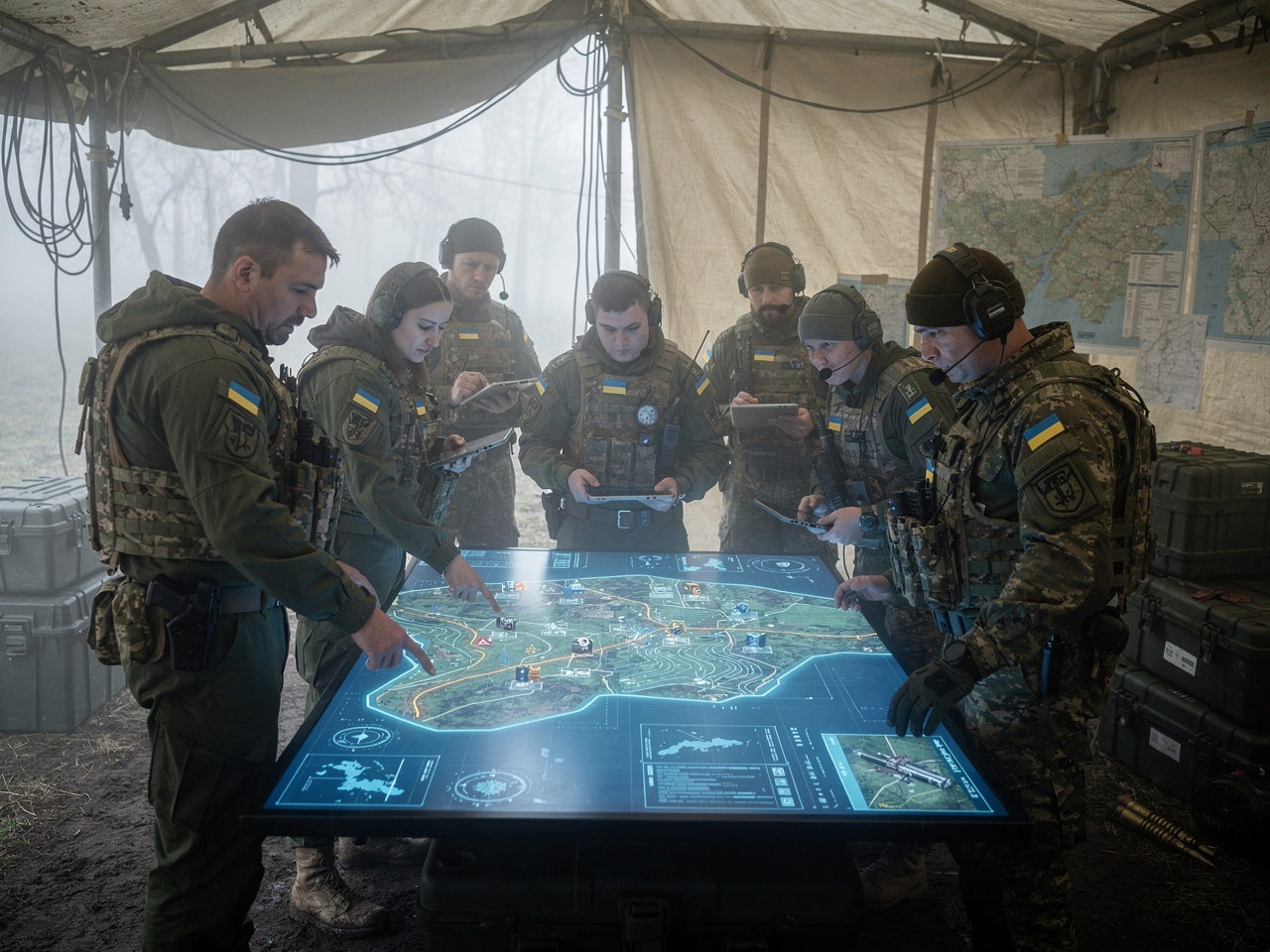
As of March 2026, companies must meet the following criteria to access this “digital proving ground”:
Legal & Security Requirements:
-
Compliance: Mandatory background checks by the Security Service of Ukraine (SBU) and the Ministry of Defense to exclude any ties to aggressor states.
-
Isolated Environment: Training occurs within a secure cloud infrastructure. Developers cannot download raw materials but can export the refined AI weights/models.
Technical & Architectural Standards:
-
Integration Readiness: Computer vision models must be compatible with the Innovation Center’s data standards.
-
Mission Focus: Priority is given to technologies enhancing drone autonomy—specifically automated recognition and navigation in GPS-denied environments.
How to Apply:
-
Brave1 Registration: Companies must first join the Brave1 defense tech cluster.
-
Access Request: Submit a formal application via portal.usf.com.ua (Dataset Access section).
-
Use Case Justification: Clearly define the combat mission (e.g., autonomous FPV guidance under EW) for which the data is required.
Why It Matters for Developers
Access to structured visual and thermal datasets (e.g., Shahed drones from various angles and lighting) saves years of development. Models are trained not on synthetic tests, but on the real “noise” of modern warfare.